Global Oil Shortage Hits Asia First, Fueling Price Shocks
Global oil supplies are dwindling, with mid-to-late April targeted as a critical point. Asia has been hit hardest, experiencing drastic delivery cuts and soaring fuel prices. Nations worldwide are implementing emergency measures to conserve fuel and manage shortages.


Asia Leads Global Oil Crisis as Supplies Plummet
The world is beginning to feel the pinch of a significant oil shortage, with initial research suggesting that global oil supplies could run out by mid to late April. We are currently in mid-April, and the impacts are already being felt acutely in Asia, which has been hit first and hardest by these supply disruptions.
Deliveries to Asia effectively stopped on April 1st. This region relies heavily on oil from the Persian Gulf, sourcing about 80% of its supply from that area. The current volumes reaching Asia represent only about 6% of what was available before the crisis began, a drastic reduction that is already creating widespread economic challenges.
Nations Scramble as Fuel Prices Skyrocket
The Philippines was among the first to officially declare a national emergency as gasoline prices more than doubled almost overnight. This sudden spike in fuel costs has put immense pressure on consumers and businesses alike, signaling the severity of the unfolding crisis.
Other nations in Asia have implemented drastic measures to cope. Indonesia and Vietnam have asked their citizens to work from home, a move aimed at conserving fuel and reducing demand. In Thailand, the fishing industry, a sector contributing around 1% to the national economy, is facing shutdown due to a staggering 250% increase in the cost of marine fuel.
Further east, Japan is experiencing disruptions to public transportation. Bus and ferry services are being slowed down significantly because of the lack of fuel. India has taken measures to protect its population by stopping Liquefied Petroleum Gas (LPG) supplies for commercial use, prioritizing household cooking fuel to ensure basic needs are met.
Africa and Australia Implement Emergency Measures
The impact of the oil shortage has spread beyond Asia, with Africa experiencing its last deliveries around April 10th. Several African nations are resorting to extreme measures to manage their dwindling fuel reserves.
Countries like Ethiopia, Zimbabwe, and South Sudan are reportedly diluting their petrol. This means they are mixing the fuel with other chemicals in an attempt to stretch the remaining supply further. These nations are also implementing electricity restrictions, indicating a broader energy crisis beyond just oil.
Australia is also facing critical fuel shortages. The country’s last expected fuel shipment is due to arrive on April 19th. In response, Australia has already tapped into its national oil reserves, reduced fuel taxes, and established a national security plan to address the crisis.
Europe Acts to Curb Demand Amid Shortages
Europe’s fuel deliveries also saw disruptions around April 10th, similar to Africa. Consequently, European nations are actively pursuing strategies to reduce fuel consumption.
These efforts to curb demand are crucial as countries grapple with the immediate reality of limited oil availability. The focus is shifting towards conservation and finding ways to operate with less fuel.
Market Impact and Investor Considerations
The current oil shortage presents a complex challenge for global markets. The rapid depletion of supplies and the resulting price increases are creating significant economic uncertainty. For investors, understanding the sector-specific impacts and the broader macroeconomic implications is key.
Industries heavily reliant on fuel, such as transportation, logistics, and manufacturing, are likely to face increased operational costs. This could lead to reduced profit margins and potentially higher prices for consumers. The energy sector itself may see volatile price swings as supply and demand dynamics are severely disrupted.
The actions taken by governments, such as releasing national reserves, cutting taxes, and implementing conservation measures, highlight the urgency of the situation. These responses can provide temporary relief but do not address the fundamental issue of reduced supply. Investors should monitor how these government interventions affect market stability and commodity prices.
In the short term, expect continued volatility in oil prices and related markets. Companies with strong supply chain management and those able to adapt to higher energy costs may perform better.
Long-term implications could include a faster transition to alternative energy sources and a reevaluation of global energy dependencies. The current crisis may accelerate investment in renewable energy technologies and electric vehicles.
The situation remains fluid, with the full extent of the crisis still unfolding. The coming weeks will be critical in determining the duration and depth of the oil shortage and its impact on the global economy. Investors should stay informed about geopolitical developments and energy policy changes that could influence future supply and demand.
Source: When Will the Oil Crisis Hit? (YouTube)

Related Articles
US Navy Seizes Sanctioned Oil Ship in Indian Ocean
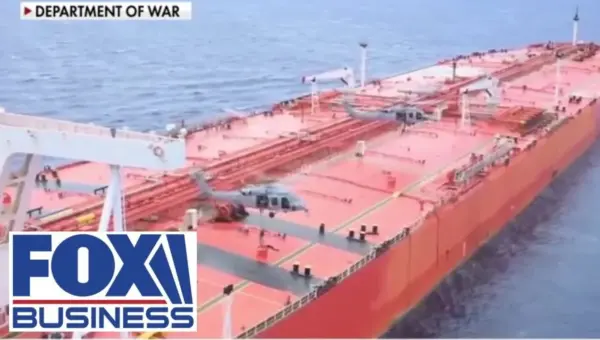
The U.S. Navy seized a sanctioned oil tanker carrying 1.9 million barrels of crude in the Indian Ocean, adding tension to global oil markets. This occurs as a U.S.-Iran cease-fire is set to expire, keeping traders on edge.


Iran War Fuels Russia’s Economy, Hurts US Goals
The Iran conflict has unexpectedly boosted Russia's economy by increasing oil revenues and creating a complex geopolitical situation. While the U.S. aims to stabilize oil prices, its actions inadvertently benefit Russia, raising questions about international policy effectiveness.


Oil Shock Threatens Holiday Cheer: Costs Soar 15%
Rising oil prices due to disruptions in the Strait of Hormuz are increasing manufacturing costs for holiday goods by up to 15%. This could lead to higher prices for consumers this Christmas season, impacting everything from artificial trees to tinsel. Businesses are struggling to absorb these costs, with some anticipating significant price hikes for shoppers.