Trump Urges Companies to Skip Tariff Refunds, Sparks Outrage
President Trump's suggestion that companies are "brilliant" for not seeking tariff refunds has sparked controversy. Experts and commentators are raising concerns about corporate governance, shareholder rights, and the potential for a system based on personal favor rather than established law. The situation also highlights broader economic uncertainties and questions surrounding the future leadership of the Federal Reserve.

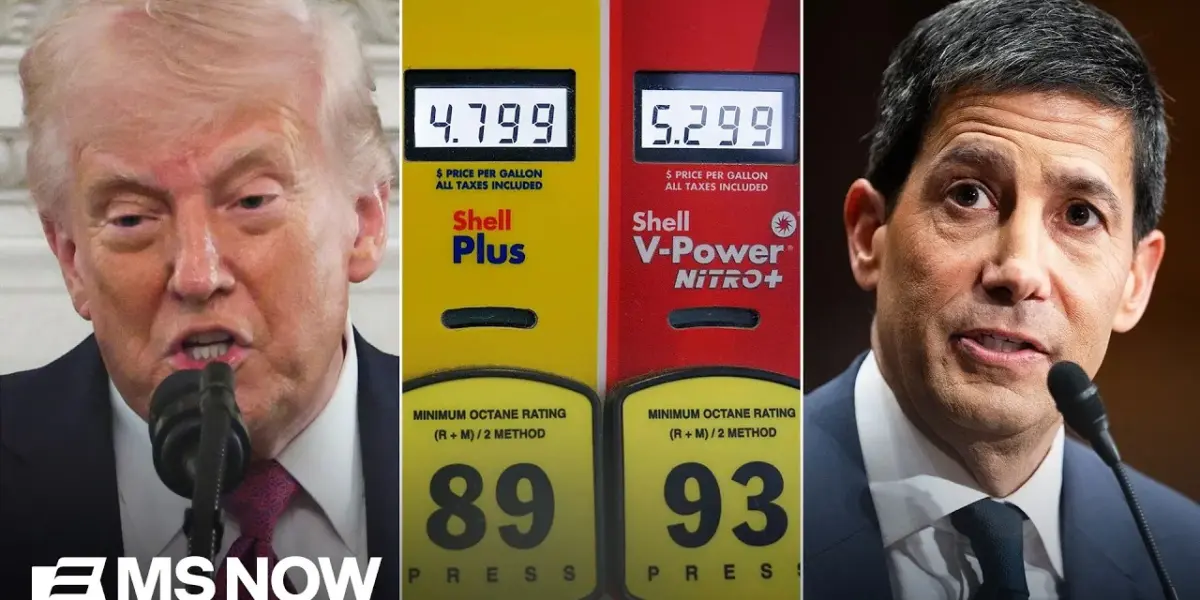
President’s ‘Brilliant’ Remark Sparks Controversy
President Trump suggested that large companies like Apple and Amazon are acting “brilliantly” by not seeking refunds for tariffs they have already paid. During an interview with CNBC, the president stated he would “remember” these companies if they chose not to pursue the reimbursements. This statement has drawn sharp criticism, with some comparing the situation to a “Banana Republic” and others raising concerns about shareholder rights and the rule of law.
The president’s comments imply a personal favor system for companies that comply with his wishes, rather than operating under established legal and economic principles. This approach deviates significantly from how advanced economies typically function, where clear regulations and predictable policies are the norm. Experts worry this could create an environment of uncertainty for businesses.
Shareholder Rights vs. Presidential Favor
Financial experts are questioning the implications of the president’s remarks for corporate governance and shareholder interests. Jillian Tett, a columnist for the Financial Times, described the situation as reminiscent of a “Tudor royal court.” She explained that companies might feel pressured to forgo legally owed money to curry favor with the president, potentially at the expense of their investors.
This creates a difficult choice for shareholders. Some might accept the loss of tariff money as a necessary cost to avoid potential retaliation from the president.
Others, however, may argue that such a system is fundamentally un-American and could lead to lawsuits against the companies for failing to act in their shareholders’ best interests. The core issue is whether companies should prioritize legal entitlements or seek political goodwill.
The Tariff Refund System and Consumer Impact
The issue revolves around billions of dollars in tariffs paid by companies. While importers technically pay these tariffs, the cost is often passed on to consumers through higher prices.
The U.S. government has a system in place that allows companies to seek refunds for certain tariffs. However, the president’s comments suggest these companies should not use this system.
Neil Irwin, chief economic correspondent for Axios, highlighted the ambiguity of how tariff costs flow to consumers. He noted that even if companies receive refunds, there’s no guarantee that consumers, who likely bore the brunt of the increased costs, would see any of that money returned. This adds another layer of complexity to an already intricate economic situation.
Economic Indicators Show Mixed Signals
The discussion on the economy touched upon conflicting data points. While inflation and rising gas prices present challenges for many, recent retail sales figures showed the largest gain in three years. This presents a puzzle for economists trying to understand the overall health of the consumer.
Tett suggested this could indicate a “K-shaped recovery,” where higher-income consumers continue to spend while lower-income consumers struggle. Alternatively, people might be spending now in anticipation of future price increases. The reliability of economic data itself is also under scrutiny, with concerns raised about potential impacts on statistical agencies.
Federal Reserve Nominee Faces Scrutiny
The confirmation hearing for Kevin Warsh, nominated to lead the Federal Reserve, also became a focal point. Warsh faced tough questions from lawmakers regarding his independence and approach to monetary policy. He stated that the president never asked him to commit to specific interest rate decisions.
Warsh indicated a desire for significant changes at the Federal Reserve, aiming to alter communication strategies, reduce the balance sheet, and lessen reliance on economic models. However, his approach to financial stability and crisis management was less clear, leading to questions about who would be in charge of these critical areas if he takes the helm.
Uncertainty Surrounds Fed Leadership Transition
The upcoming transition at the Federal Reserve, with Chair Jerome Powell’s term ending soon, adds another layer of potential instability. With Warsh seeking substantial changes and facing a challenging confirmation process, there is concern about who will be leading monetary policy and financial oversight in the coming months.
The lack of a clear resolution before Powell’s term expires on May 15th could create an “ugly situation” over the summer. This uncertainty could potentially disturb financial markets that have become accustomed to the Fed’s long-standing operational methods. The situation highlights a potential leadership vacuum during a critical economic period.
Source: Trump praises "brilliant" companies for not pursuing tariff refunds (YouTube)

Related Articles
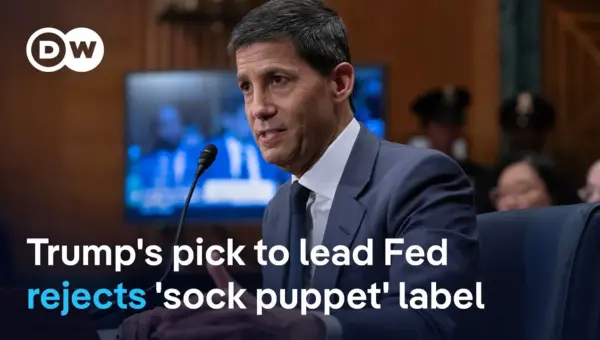
Trump’s Fed Pick Faces Scrutiny Over Independence
Kevin Warsh, President Trump's nominee for Federal Reserve chair, faced intense questioning about his independence from the White House during his Senate confirmation hearing. While Warsh asserted he would be an independent actor, concerns remain about his close ties to Trump and potential influence on monetary policy. Experts highlight the critical importance of Fed independence for stable economic outcomes, both domestically and globally.
Trump Extends Iran Ceasefire Amid Price Hikes, Faces Tough Choices
President Trump has extended the ceasefire with Iran, continuing a blockade of its ports amid rising domestic fuel prices. Analysts suggest this move is an attempt to save face as the U.S. faces economic pressure and Iran demonstrates resilience. The situation remains uncertain, with a focus on how long the U.S. can sustain its pressure campaign.
US Extends Ceasefire with Iran, Wildfires Rage in South
President Trump has extended the ceasefire with Iran indefinitely, hoping to foster peace talks, while the U.S. maintains its blockade. Meanwhile, the Southern U.S. grapples with severe wildfires amid red flag warnings, forcing evacuations. Other news includes a fatal attack in California, increased security in Mexico after a deadly shooting, a new trial for Harvey Weinstein, and a criminal investigation into ChatGPT's alleged role in a Florida shooting.