US Navy Taps Iran’s Shadow Fleet in Pacific
US forces have boarded two ships tied to Iran in two days, one in the Indo-Pacific. These actions target Iran's "shadow fleet" of oil tankers that use deceptive methods to evade sanctions. The operations aim to disrupt illicit networks and limit Iran's funding.

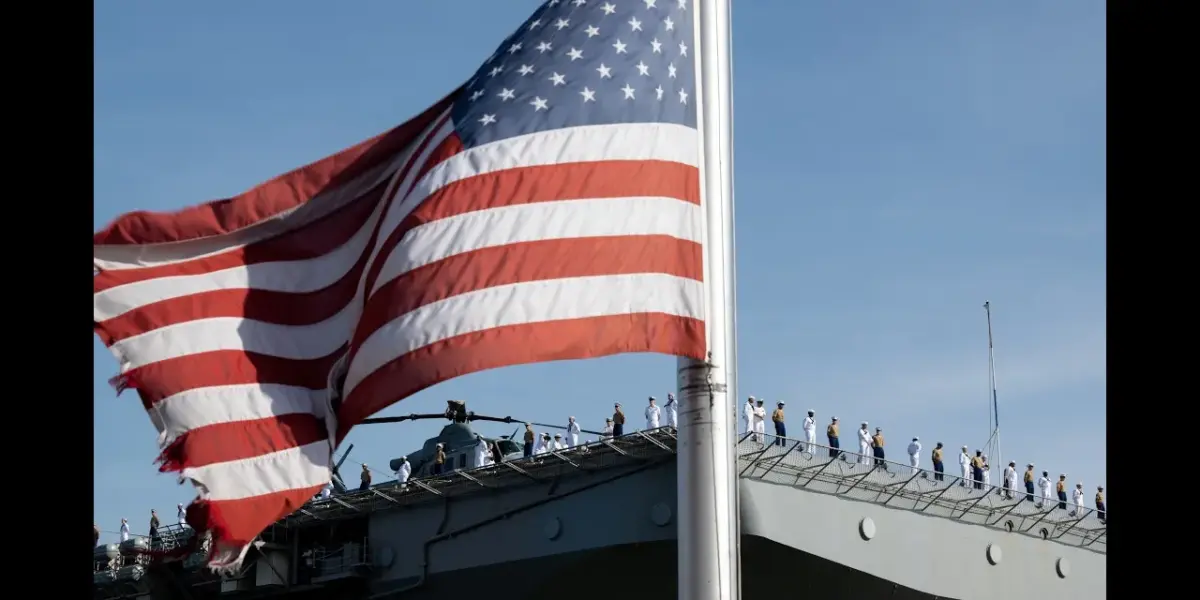
US Navy Taps Iran’s Shadow Fleet in Pacific
US forces recently boarded a second ship linked to Iran in a very short time. This time, the operation happened far away in the Indo-Pacific. The goal is to disrupt secret oil sales and networks that help Iran, even when ships try to hide.
The Pentagon released a video showing troops boarding the MT Tiffany. This ship is described as stateless and under sanctions.
US forces called it a “right of visit” operation, meaning they have the right to board ships in certain situations. They want to stop sanctioned vessels from giving support to Iran wherever they are.
Iran’s Secretive ‘Shadow Fleet’
The MT Tiffany might be part of Iran’s “shadow fleet.” This is a group of ships that use fake tracking signals and other tricks to sell Iranian oil and avoid sanctions. The Wall Street Journal reported that the ship’s flag is currently unknown. Its owner is listed in Suriname, South America, but the company managing it is in a shared office space in Mumbai, India.
This happened just one day after US forces boarded another ship near the Strait of Hormuz. That Iranian-flagged ship had made many trips to Chinese ports. It also turned off its tracking signal while moving between those ports, which breaks international rules.
If you attempt to run the blockade, we will compel compliance with force.
A Wider Strategy
The US has been working to stop Iranian shipping. Central Command reported that US forces have stopped 28 vessels since this blockade began. Traffic through the important Strait of Hormuz has been slow, with only a few ships passing through recently.
This US action against Iranian shipping could be a major topic in upcoming talks between the US and Iran. These efforts aim to cut off funding sources for Iran by stopping its oil exports, which are often sold secretly.
Global Support for Open Seas
Meanwhile, the European Union is considering increasing its naval presence in the Middle East. Their current mission protects ships from attacks by Houthi rebels in the Red Sea. The EU already has strong sanctions against Iran.
European officials have agreed to expand their sanctions to target those who interfere with freedom of navigation. They stressed that the ability for ships to travel freely is not something they will negotiate on. This shows a growing international effort to keep vital shipping lanes open and secure.
Why This Matters
The US military’s actions highlight a global effort to enforce sanctions and maintain freedom of the seas. By targeting Iran’s “shadow fleet,” the US aims to limit Iran’s ability to fund its activities through illicit oil sales. These operations are complex, involving international waters and ships with unclear ownership and origins, making them difficult to track and control.
The situation also affects global trade and security. The Strait of Hormuz is a critical chokepoint for oil shipments, and disruptions there can impact energy prices worldwide. The involvement of multiple countries and international bodies, like the EU, shows the broad implications of these maritime security efforts.
Looking Ahead
The US blockade on Iranian shipping is expected to be a significant point in diplomatic discussions. As the US continues these interdictions, Iran may respond through its own actions or diplomatic channels. The EU’s potential expansion of its naval mission and sanctions signals a continued commitment to maritime security in the region.
Future actions will likely depend on geopolitical developments and the effectiveness of current strategies. The next steps could involve further naval operations, intensified diplomatic pressure, or new international agreements aimed at ensuring safe passage for all vessels. The EU’s decision on strengthening its naval mission is expected soon.
Source: US Military Says Its Forces Board 2nd Vessel With Iran Ties in 2 Days (YouTube)

Related Articles

Navy Food Shortages Expose Troubling Military Logistics Failures
Reports reveal U.S. Navy sailors in the Middle East are facing food shortages and delayed care packages, contradicting official claims of military dominance. Strategic attacks on supply hubs have disrupted vital logistical lines, impacting ship resupply and crew welfare. This situation raises serious questions about military transparency and operational readiness.
Trump’s Iran Strategy Criticized: ‘Winging It’ Without a Plan
Critics are questioning President Trump's strategy in Iran, arguing the administration lacks a clear plan amidst a significant troop deployment to the Middle East. The reliance on individuals without traditional diplomatic experience is a key point of concern, contrasting with past, expert-led negotiations. This situation is seen as potentially leading to a prolonged period of heightened military readiness.
Trump Extends Iran Ceasefire, Seeks Unified Dealmakers
President Trump has extended a ceasefire with Iran, a move praised for its strategic approach to negotiations. The decision aims to ensure a unified Iranian delegation is present at the table, following a military blockade of Iranian ports. This pause allows for diplomatic pressure to build towards a lasting resolution.