US Demands New Iran Deal, China Watches Closely
The US is applying intense economic and diplomatic pressure on Iran, demanding unified proposals for negotiations. This new, tougher stance contrasts with previous American flexibility. Meanwhile, China's long-standing ties with Iran are being closely watched, and US actions in the Middle East are seen as a potential deterrent to Chinese military aggression.

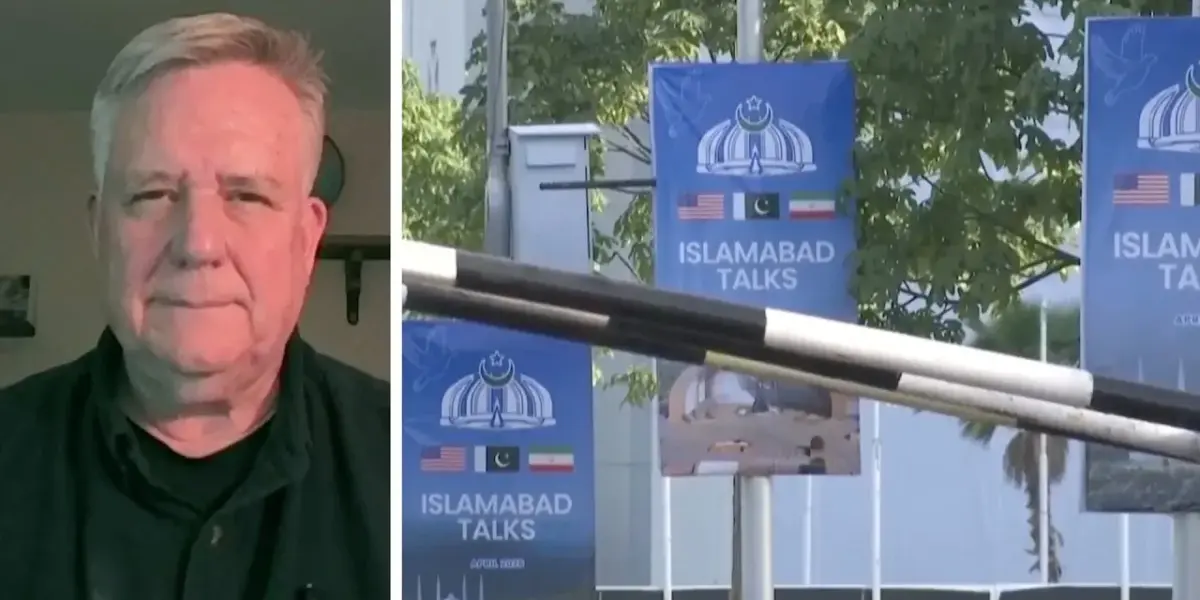
US Leverages Pressure on Iran Amid Strained Diplomacy
The United States has signaled a new, tougher approach to Iran, with President Trump extending a ceasefire while maintaining a naval blockade. This strategy aims to pressure the Iranian government into presenting a unified proposal for negotiations.
Analysts suggest this marks a departure from previous, more flexible American diplomatic tactics. The administration believes Iran’s leadership is fractured and has few options but to engage.
President Trump stated that Iran has no choice but to agree to a deal, highlighting actions taken against its navy and air force. While acknowledging that eliminating leaders complicates matters, he believes the remaining figures are more rational.
This approach suggests a willingness to wait for Iran to stabilize its internal political situation before formal talks can begin. The indefinite extension of the ceasefire, with no clear end date, gives Iran more time to prepare.
Economic Sanctions as a Key Negotiation Tool
The economic pressure on Iran is significant, with the Treasury Secretary noting that the country’s oil storage is nearing capacity. This blockade aims to keep the pressure on Iranian leaders to unite and negotiate. Iran’s economy relies heavily on oil revenue, and the inability to export is costing the nation hundreds of millions of dollars daily, potentially billions per month.
The high economic costs could lead to public unrest, as seen in past instances. With the Iranian currency’s value plummeting and inflation soaring in some areas, the citizenry is under great strain. The government must be concerned about public fatigue with the current economic conditions, which could destabilize the regime.
Pakistan’s Role as a Mediator
President Trump has publicly acknowledged Pakistan’s role in facilitating communication with Iran. Pakistan maintains good relations with Iran, and both are Islamic states, suggesting a mutual understanding. This relationship makes Pakistan a suitable mediator, unlike potentially less effective options like China.
China’s Continued Ties with Iran
Despite the US pressure, China’s relationship with Iran remains a point of interest. China has a long history of arms sales to Iran, dating back to the 1980s. Their support has primarily involved dual-use chemicals for Iran’s ballistic missile programs and other weapon systems.
The recent interception of a Chinese ship highlights this ongoing connection. While the specifics of the intercepted items were not fully detailed, it’s likely part of long-term contracts between the two nations. This continuation of established ties is not necessarily a new, provocative act by China, but rather a reflection of their existing relationship.
China benefits from this relationship by securing heavily discounted oil from Iran, which makes up a notable portion of its energy imports. China uses this relationship to discourage Iran from supporting the Uyghur minority in western China. However, it is unlikely that Beijing would risk its relationship with the US by supplying actual weapons during this sensitive period.
Iran Conflict’s Impact on China’s Military Ambitions
The success of US actions in the Iran conflict is seen as a deterrent to China’s military aggression in the Indo-Pacific region. Admiral Paparo stated that prevailing on the battlefield is crucial for deterrence. The US demonstrates an advanced capability in force projection and modernized warfare, utilizing cyber, space systems, artificial intelligence, and sophisticated targeting.
These capabilities are currently beyond the reach of the Chinese military. This situation is a significant wake-up call for China, prompting them to study US strategies closely. President Trump’s willingness to use American military power, coupled with his “peace through strength” approach, is a message that China needs to take seriously.
Why This Matters
The current US strategy towards Iran represents a significant shift in diplomatic and economic pressure. By imposing stringent demands and leveraging economic sanctions, the US aims to force a resolution. The complex interplay between Iran, the US, and China highlights a broader geopolitical dynamic.
China’s continued engagement with Iran, despite US pressure, highlights its own strategic interests and its long-term relationship with Tehran. The perceived success of US military actions in the Middle East also has direct implications for military planning and deterrence efforts in the Indo-Pacific, suggesting that US strength abroad can influence stability elsewhere.
Implications and Future Outlook
The extended ceasefire and ongoing blockade suggest a prolonged period of intense negotiation and economic strain for Iran. The Iranian government’s ability to unify and present a coherent proposal will be critical. For China, the situation is a clear reminder of US military capabilities and strategic resolve.
The US approach in Iran could influence how China assesses future military actions, particularly in contested regions like the South China Sea and Taiwan Strait. The effectiveness of US sanctions and diplomatic pressure will be closely watched by other nations seeking to navigate complex international relations.
Historical Context
The US-Iran relationship has been strained for decades, marked by the 1979 revolution and subsequent events. Past negotiations have often been protracted, with periods of both tension and cautious engagement.
China’s involvement in regional arms sales dates back to the Iran-Iraq war, establishing a long-standing economic and military partnership. The current scenario is influenced by these historical patterns but is shaped by a new US administration’s distinct approach to foreign policy and international diplomacy.
The US Indo-Pacific Command’s assessment links the Iran conflict’s outcome to deterrence against China. This suggests a strategic view where actions in one theater can have ripple effects across global security.
The administration’s emphasis on “peace through strength” aims to signal resolve to potential adversaries, with China being a key focus. The coming months will reveal how effectively this strategy recalibrates regional and global power dynamics.
Source: Iranian Regime Was Used to Flexible US, Now Faces Tough, Demanding US President: Wilder (YouTube)

Related Articles

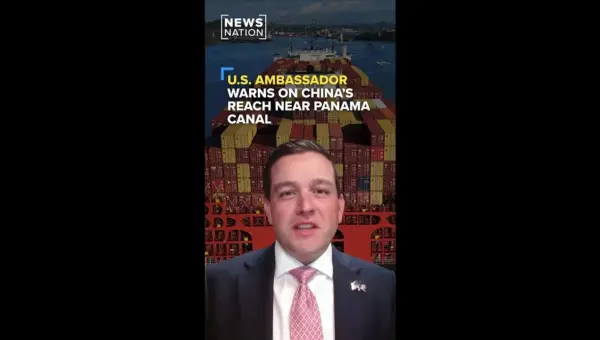
China’s Canal Push Threatens US Security, Envoy Warns
A US ambassador warns that China's growing presence near the Panama Canal poses a significant threat to American national security. Concerns include smuggling, spying, and efforts to gain strategic control, going beyond legitimate trade practices.


US Extends Iran Ceasefire Amid Tensions and Seizures
The U.S. has extended its ceasefire with Iran amid ongoing tensions and naval interceptions. Meanwhile, U.S. officials held rare talks with the Cuban government, and a deadly shooting occurred at Mexico's Teotihuacan pyramids.
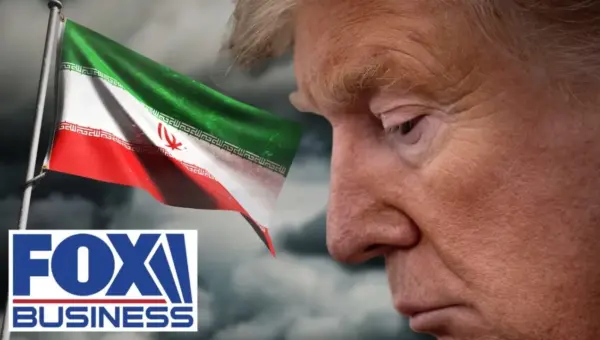
Trump Extends Iran Ceasefire, Seeks Unified Dealmakers
President Trump has extended a ceasefire with Iran, a move praised for its strategic approach to negotiations. The decision aims to ensure a unified Iranian delegation is present at the table, following a military blockade of Iranian ports. This pause allows for diplomatic pressure to build towards a lasting resolution.