India’s Modi Courts Israel for Major Arms Deal Amid Shifting Alliances
Indian Prime Minister Narendra Modi's visit to Israel focused on securing a major arms deal and strengthening defense and economic ties. Amidst regional tensions, the two nations are deepening their strategic partnership, though India maintains a delicate balance with other regional players like Iran.

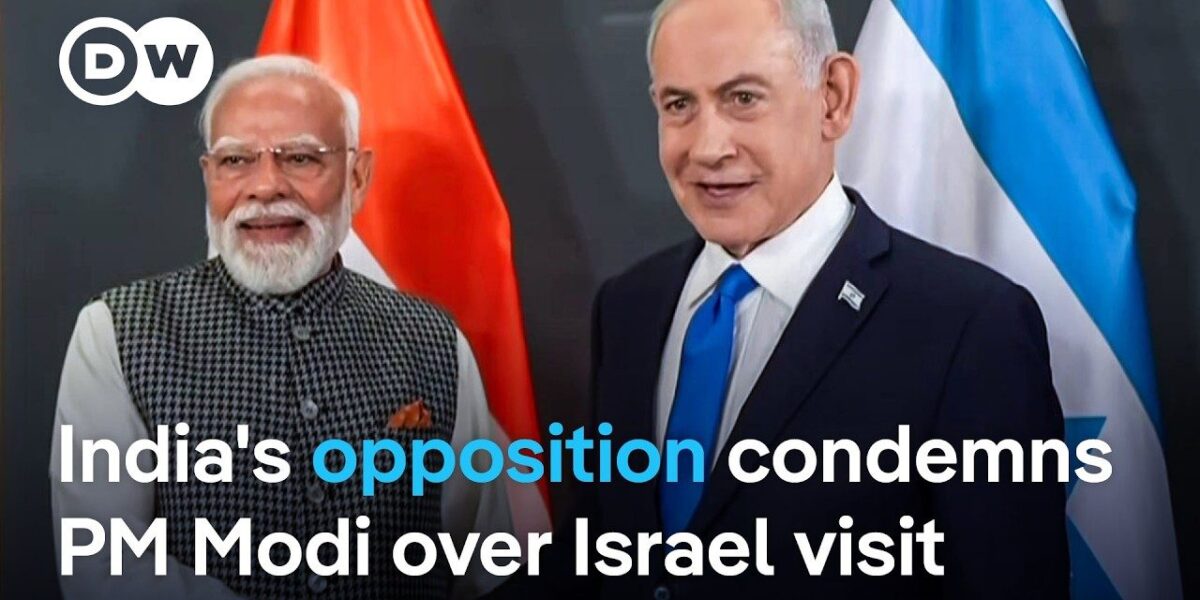
Modi’s Israel Visit Focuses on Defense and Economic Ties
Indian Prime Minister Narendra Modi concluded a significant visit to Israel, marked by warm reception from Prime Minister Benjamin Netanyahu and a strong emphasis on strengthening defense cooperation and economic partnerships between the two nations. The visit, occurring shortly after the October 7th Hamas attacks, saw Modi express India’s firm solidarity with Israel, stating, “India stands with Israel, firmly with full conviction in this moment and beyond.” He also conveyed condolences for the lives lost and families affected by the attacks.
Addressing the Israeli parliament, the Knesset, Modi highlighted the strong foundation for trade between India and Israel, stemming from India’s economic growth and Israel’s technological innovation. A key area of discussion and expected finalization was a substantial weapons deal, reportedly involving Israeli air defense systems, including advanced laser defense technology. Trade figures indicate robust growth, with bilateral trade exceeding $3.6 billion over the last two years, and ongoing negotiations for a free trade agreement.
Deepening Defense Partnership: A Strategic Imperative
Middle East analyst Sha Rosanes underscored the paramount importance of defense in the bilateral discussions. “Defense, defense, and more defense?” Rosanes stated, highlighting India’s position as one of the world’s largest arms importers and Israel’s extensive capabilities.
The collaboration extends beyond the procurement of ready equipment to include joint production and the transfer of sophisticated technologies. This technological exchange is particularly crucial for India, given its persistent security challenges, including the conflict with Pakistan, where Israel’s support is highly valued.
“A strong defense partnership between trusted partners like India and Israel is of vital importance,” Netanyahu remarked, highlighting the strategic depth of their relationship. The visit also served a crucial political purpose for Netanyahu, who has sought to demonstrate international engagement following the October 7th attacks. Modi’s address to the Knesset marked a significant diplomatic moment, with analysts noting the warm reception and the perceived mutual benefit, though perhaps more so for Netanyahu in showcasing international support.
An ‘Axis of Nations’ or Strategic Partnership?
The concept of an “axis of nations” was floated by Prime Minister Netanyahu, suggesting a deeper alignment. However, journalist and founding editor of The Wire, Sedartha Varadajan, differentiated this from India’s preferred term, “partnership.” Varadajan explained that India’s foreign policy historically maintains a multi-alliance approach, unwilling to abandon traditional ties with countries in the Middle East, such as Iran, for closer alignment with Israel or the U.S. This approach is seen as a test for Indian policy, particularly in balancing its relationships amid regional complexities.
Varadajan elaborated on the drivers behind the deepening Indo-Israeli relationship, citing ideological affinities between Modi’s BJP party and the Israeli government, particularly a shared worldview that perceives Islam as a potential threat. The strategic imperative of acquiring advanced defense equipment from Israel, coupled with a desire to signal strength and reliability to potential allies like the U.S. And former President Trump, also plays a significant role. “India has always kept this multi-alliance policy of India and Israel of course is a very important pillar of that,” Varadajan noted.
Balancing Regional Relations Amidst Geopolitical Shifts
While India strengthens its defense and strategic ties with Israel, it continues to maintain significant economic and political relationships with Iran, a country often viewed as a rival by Israel. This balancing act reflects India’s complex foreign policy objectives in the Middle East.
The proposed India-Middle East-Europe Corridor (IMEC), envisioned as a land and sea transport route connecting India to Europe via the Middle East, was also discussed. However, its future remains uncertain due to shifting regional dynamics, including potential changes in U.S. Policy under different administrations and evolving relations between key regional players like Saudi Arabia and the UAE.
The defense sector remains a critical component of this evolving relationship. Discussions have centered on advanced Israeli systems like the Iron Dome and Iron Beam missile defense systems, which have garnered significant attention for their effectiveness. The prospect of joint development and co-production of defense technologies further solidifies the strategic depth of the Indo-Israeli alliance, catering to India’s long-standing defense modernization needs.
Domestic and International Perspectives
Modi’s visit was met with mixed reactions within India. While supporters viewed it as a positive step towards strengthening ties with a key strategic partner, critics expressed concern over the timing, especially given the ongoing conflict in Gaza and the plight of Palestinians. Lawmakers had urged Modi to address the humanitarian situation in Gaza, but his public address focused primarily on economic and defense cooperation.
The strategic alliance between India and Israel is seen by some as a pragmatic response to regional security challenges and a means to secure advanced military capabilities. Analysts suggest that this partnership is driven by a convergence of strategic interests and a shared approach to security, particularly in the context of perceived threats from neighboring countries. The upcoming period will likely see continued efforts to deepen this relationship, navigating the complexities of regional politics and global power dynamics.
Source: Indian PM Modi seeks massive weapons deal with Israel as two countries boost defense ties | DW News (YouTube)

Related Articles

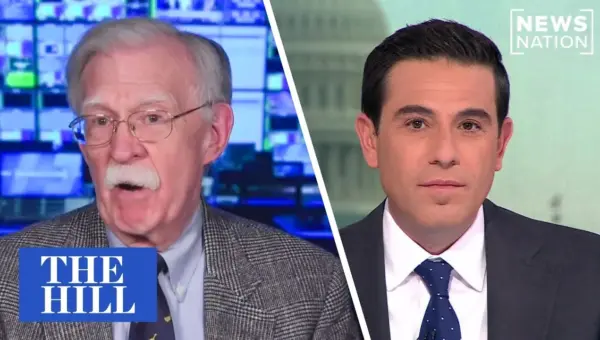
Iran Blockade Tests US Resolve Amid Nuclear Fears
John Bolton criticizes the U.S. strategy towards Iran, calling potential talks a 'waste of time' and the blockade a move to 'have the best of both worlds.' He argues that only a regime change in Iran can truly end its nuclear ambitions and regional aggression.
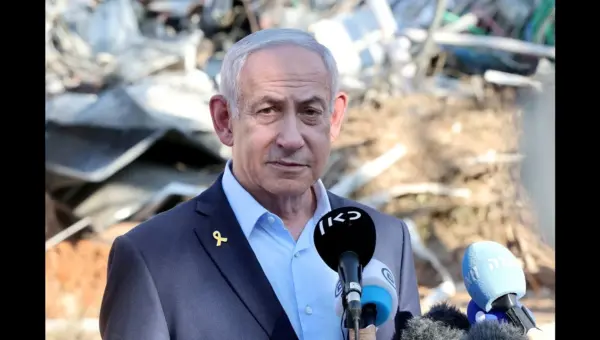
Netanyahu’s ‘Never Again’ Vow Echoes Past and Present Threats
Israeli Prime Minister Benjamin Netanyahu met with Holocaust survivors, vowing 'never again' as he drew parallels between past atrocities and current threats. He highlighted Israel's military strength and international alliances as crucial safeguards against annihilation.
Iran’s Regime Thrives on Chaos, Not Peace
Iran's government thrives on chaos, using conflict for survival. Experts describe the regime as a 'cacistocracy,' run by the incompetent. Despite internal dissent and international pressure, the regime's survival is bolstered by external support from minority Shia groups and a strategy of ruthless suppression.