Iran Blockade Tests US Resolve Amid Nuclear Fears
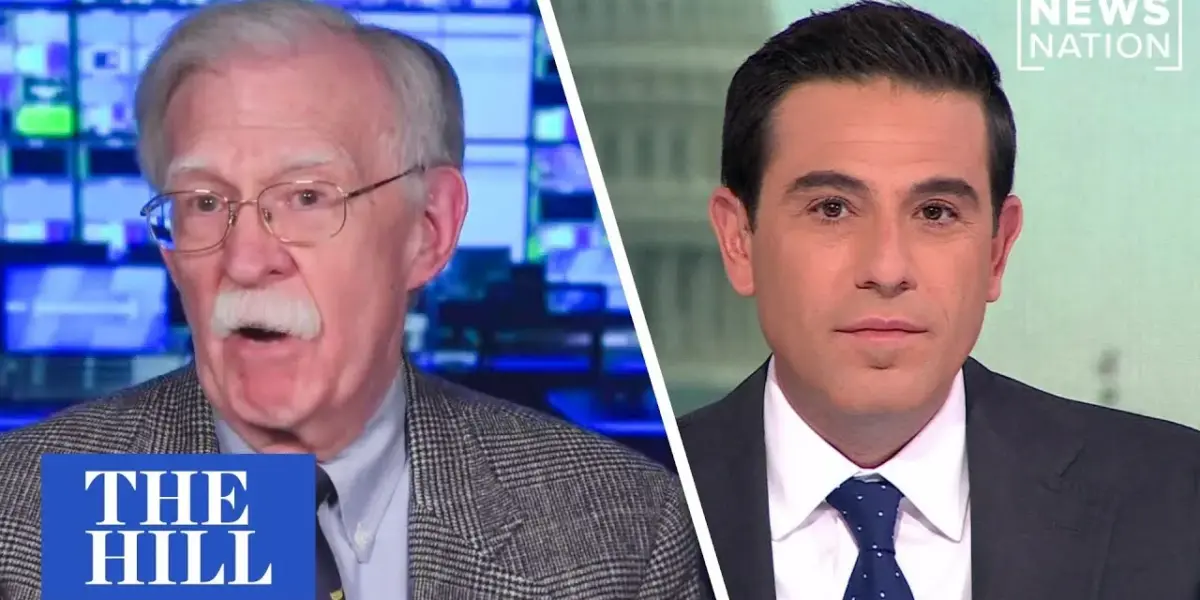
John Bolton criticizes the U.S. strategy towards Iran, calling potential talks a 'waste of time' and the blockade a move to 'have the best of both worlds.' He argues that only a regime change in Iran can truly end its nuclear ambitions and regional aggression.

Iran Blockade Tests US Resolve Amid Nuclear Fears
The United States faces a critical test of its resolve in the Persian Gulf. President Trump has implemented a partial blockade against Iran, aiming to cripple its economy and prevent its pursuit of nuclear weapons. However, the effectiveness and long-term strategy of this approach are being questioned.
Talks Offer Little Hope, Analyst Argues
John Bolton, former National Security Adviser, believes that potential talks between the U.S. and Iran, even if they occur soon, are a waste of time. He argues that if the President is serious about stopping Iran from developing nuclear weapons, then simply pushing back the timeline for enrichment is not a solution. Bolton suggests this strategy is like “kicking the can down the road.” The President has repeatedly stated he does not want Iran to get nuclear weapons. Bolton feels the President is trying to “have the best of both worlds” by imposing a blockade while also suggesting talks.
A 20-Year Pause on Enrichment?
Reports suggest that the U.S. team may have asked for a 20-year pause on Iran’s uranium enrichment. Bolton points out that this idea is similar to the 2015 Iran nuclear deal, which President Trump has called a bad deal. Iran might agree to such terms to delay, but what they do after agreeing is a separate issue. Bolton believes Iran will agree to almost anything if the goal is just to buy time.
Choking Iran’s Economy: The Blockade Strategy
The hope is that the U.S. embargo can choke Iran’s economy. Bolton supports stopping all maritime traffic involving Iran. This includes preventing trade with China and other potential buyers or suppliers. At the same time, he stresses the importance of preventing Iran from stopping oil exports from Gulf Arab nations. He states that the best way to pressure Iran is to have countries like Saudi Arabia and the United Arab Emirates sell their oil on the international market, while Iran sells nothing.
Economic Impact Takes Time
Mark Esper, former Defense Secretary, noted that it will take time for these economic measures to have a real impact. He raised the question of whether the U.S. can wait that long. Esper suggested possibilities include returning to negotiations or preparing for military operations. He believes the situation will play out over the next few weeks.
Testing Resolve: Military and Economic Options
Bolton sees the coming weeks as a test of resolve. If the President is serious about his stated goals, he needs to take the necessary time. He points out that Saudi Arabia and the UAE have pipelines that could supply a significant portion of the Gulf’s daily oil output if fully operational. This would reduce the pressure on global markets. Bolton believes the military is working on ways to protect shipping lanes. This includes clearing mines and defending against missiles and fast boats. Getting Arab oil back on the market and preventing Iran from earning money is crucial. He called the earlier decision to ease sanctions on Iran a mistake. He believes those sanctions should return because seeing Iran earn money does not benefit the United States.
Iran’s Nuclear Ambitions: A Regime Problem
Bolton is skeptical that Iran will ever give up its nuclear ambitions. He states that Iran has never shown any sign of doing so. He describes the regime’s ideology as radical. Searching for moderates within this regime is likely fruitless. For Bolton, the only real answer, not just for nuclear weapons but also for terrorism and closing the Strait of Hormuz, is a change in government in Iran.
Senator Graham’s Stance
Senator Lindsey Graham also expressed a firm stance on Iran’s nuclear program. He stated he would not support any deal that allows Iran to continue uranium enrichment. He believes enrichment must stop entirely.
Options for Ending Iran’s Nuclear Program
Given the ongoing talks and Iran’s known position, Bolton believes there is only one sure way to end Iran’s nuclear program: change the regime. He dismisses returning to negotiations like those under the Obama administration. He notes that Iran might only agree to a short postponement, like 5 years, and continue to sell oil. This shows a lack of strategic planning. However, if the President is serious about preventing Iran from obtaining nuclear weapons, Bolton believes he is clear that no deal is sufficient. U.S. intelligence cannot perfectly track Iran’s covert nuclear activities. It’s also unknown what cooperation Iran has with North Korea on nuclear weapons and missiles.
Israel-Lebanon Talks: A Positive Sign
In another development, Secretary of State Antony Blinken was involved in talks between Israel and Lebanon. This is the first such high-level meeting in over three decades. The discussions largely concern Hezbollah, an Iranian-backed group operating in Lebanon. The U.S. State Department stated that the U.S. must lead these negotiations going forward. Bolton views this as a very good sign. He clarified that Israel is not at war with the Lebanese government. Israel’s conflict is with Hezbollah. He noted that the Lebanese government often opposes Israel acting in self-defense due to Hezbollah’s influence. If the Lebanese government and its armed forces could work with Israel to reduce Hezbollah’s power, it would be a significant positive step.
Source: John Bolton: Trump trying to have best of both worlds with blockade | The Hill (YouTube)

Related Articles

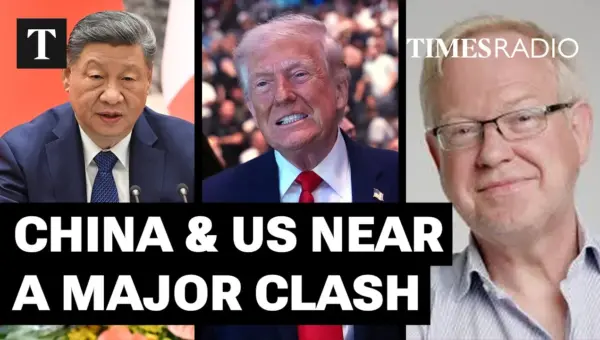
China-US Tensions Flare: Blockade Risk Sparks Superpower War Fears
The U.S. blockade in the Strait of Hormuz has intensified tensions with China, raising fears of a potential superpower conflict. Expert Roger Boyes highlights China's use of a "shadow fleet" and military support for Iran, while President Trump attempts a delicate diplomatic approach ahead of a key meeting with President Xi Jinping.
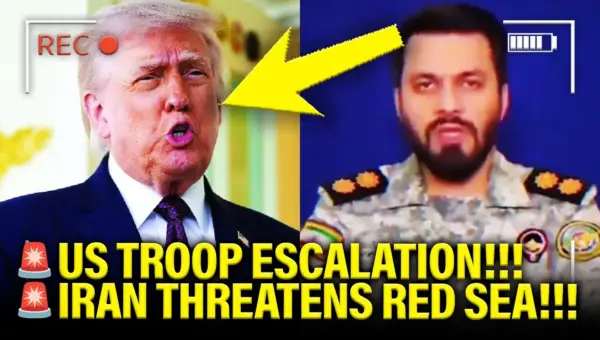
Trump’s Middle East Gambit: Escalation or Empty Threat?
The US is sending troops and imposing a blockade in the Middle East, signaling escalation. Yet, conflicting messages from Donald Trump suggest peace is near. This analysis explores the contradictory actions, Iran's defiant response, and the potential global economic and political fallout.

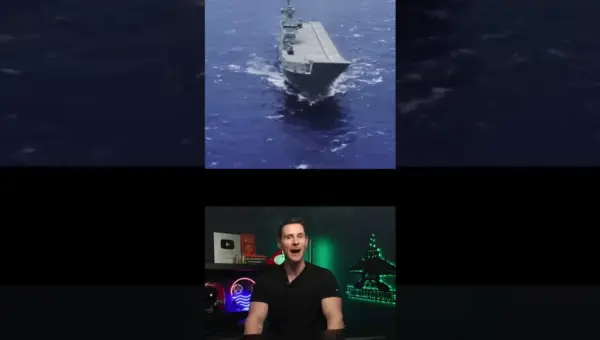
US Navy Blockade Tightens Grip on Iran’s Sea Lanes
The U.S. Navy has implemented a strict blockade in the Strait of Hormuz, preventing Iranian ships from leaving port. This move puts significant pressure on Iran's economy and military, potentially paving the way for peace talks.