UK Pursues Justice as US Faces Elite Accountability Crisis
The United Kingdom is facing political pressure over an ambassador with alleged ties to Jeffrey Epstein, signaling a push for accountability. Meanwhile, the United States is criticized for appearing to shield powerful individuals with similar connections from scrutiny. This contrast raises questions about justice and elite accountability on the international stage.

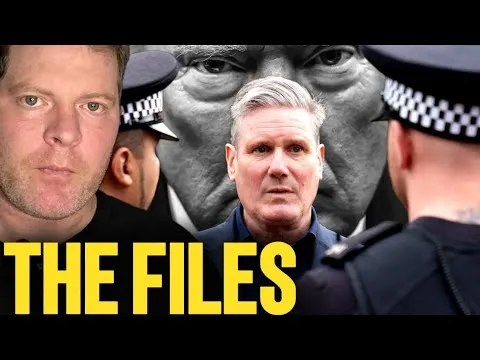
UK Pursues Justice as US Faces Elite Accountability Crisis
The United Kingdom is actively pursuing justice in cases linked to Jeffrey Epstein, while the United States faces criticism for appearing to shield powerful individuals from accountability. This contrast highlights a growing divergence in how nations are addressing complex scandals involving high-profile figures.
In the UK, Prime Minister Keir Starmer faces pressure regarding the appointment of Peter Mandelson as ambassador to Washington. Revelations emerged showing Mandelson allegedly passed sensitive government information to Epstein in 2009. This information surfaced after files were released, suggesting it bypassed security checks for his diplomatic role.
Starmer has acknowledged making a wrong judgment in choosing the ambassador, admitting he was aware of Mandelson’s ties. This admission has fueled calls for his resignation, with the Reform UK party actively using the issue against him. Opposition figures in Parliament have accused the Prime Minister of lying, leading to heated exchanges and even a Member of Parliament being asked to leave the House of Commons.
US Faces Scrutiny Over Epstein Connections
In contrast, the United States has seen fewer public consequences for individuals with alleged ties to Epstein. While some CEOs have stepped down, the article points to current administration officials with significant connections. Commerce Secretary Howard Lutnick, for instance, was reportedly exchanging emails with Epstein in 2026, asking for dinner party details, long after Epstein’s conviction.
Steve Bannon, a key advisor to Donald Trump, was also reportedly invited by Epstein to join him in 2019. Bannon remains an influential figure in Trump’s political circle. The article suggests that Trump himself avoids mentioning Epstein’s name publicly, indicating the extensive and sensitive nature of their connections.
Millions of pages of documents related to Epstein have been released. However, critics argue that the US government moved quickly to redact sensitive information. This action, they contend, protected powerful Americans rather than revealing potential wrongdoing.
Historical Context and Public Perception
The article draws a parallel between the UK’s actions and a desire for genuine justice. It notes that in February, Prince Andrew was also reportedly arrested in connection with the Epstein investigation. This suggests a willingness in the UK to hold even royal figures accountable.
In the United States, however, wanting justice in such cases is portrayed as potentially unpatriotic. The article criticizes a system where powerful individuals seem to escape scrutiny, while ordinary citizens face economic hardship. This includes rising costs of living, inflation, and devaluation of the US dollar, which are attributed to government policies and global economic factors.
The narrative suggests that major global events, such as conflicts in Iran, are used as distractions. This tactic, described as a form of “bread and circuses,” keeps the public focused on external issues rather than domestic problems and potential elite misconduct. The ease with which Americans are distracted is linked to the pervasive influence of social media, which is seen as eroding attention spans and encouraging consumerism.
Economic Leverage and Global Standing
The article implies that the US administration uses economic instability and external conflicts to divert attention from internal issues. This strategy is seen as a way to maintain power and enrich a select few. The destabilization caused by these policies is viewed as a source of wealth transfer, affecting not only Americans but people worldwide.
This perceived lack of accountability and pursuit of justice has reportedly damaged the US’s international relationships. Allies are said to view the United States as a threat, partly due to its silence on the actions of individuals linked to Epstein. The complicity of the average American, through silence and obedience, is seen as making them responsible in the eyes of former allies.
Future Scenarios and International Relations
The article suggests that the US needs to learn from its allies, implying that its current path is leading to a loss of global respect. It questions the claim of American exceptionalism, arguing that current actions do not support such a title.
The contrast between the UK’s approach and the US’s perceived inaction highlights differing national priorities. While the UK grapples with domestic political fallout from ambassadorial appointments and royal scandals, the US is criticized for appearing to prioritize the protection of powerful figures over public accountability. This situation raises questions about the future of international trust and cooperation, especially when scandals involving influential individuals are not fully addressed.
The situation in the UK with Peter Mandelson’s appointment and the ongoing scrutiny of Epstein-linked figures sets a precedent. The article concludes by urging Americans to look towards their allies for examples of how to pursue justice and uphold national honor, suggesting a need for a fundamental change in how accountability is handled at the highest levels.
Source: US Distraction vs. UK Justice: Trump, Starmer, and the Elite Escape (YouTube)

Related Articles

Iran Faces $160 Billion Annual Loss From U.S. Blockade
Iran faces crippling economic pressure from a U.S. naval blockade, costing an estimated $450 million daily. This financial strain threatens Iran's ability to meet basic expenses and fund its government. The U.S. demands unconditional surrender, including halting nuclear activities and opening key shipping lanes.

Russia Poses Greater Threat Post-Ukraine War, Expert Warns
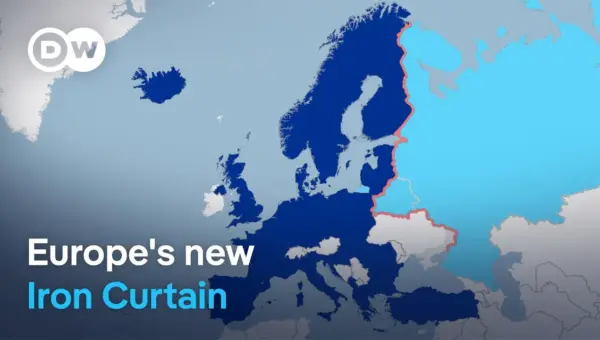
A new report warns that Russia may become more dangerous and unpredictable after the war in Ukraine, potentially ushering in a new era of confrontation with Europe. Despite military and economic weakening, Russia's vast resources, strategic mindset, and China's support contribute to its continued threat. Europe faces a critical period of vulnerability as it works to bolster its defenses and adapt to this evolving security landscape.


US Demands Force Cuba’s Hand
The Trump administration has presented Cuba with a list of demands, including political prisoner releases and compensation for past nationalizations. A deadline of April 24th has been set, after which unspecified actions may be taken by the U.S. This situation carries significant geopolitical and regional stability implications.