PM Blamed Civil Servant for Mandelson Envoy Role
Prime Minister Keir Starmer has blamed Sir Ollie Robbins, a top civil servant, for issues surrounding Peter Mandelson's failed appointment as US ambassador. Labour MPs view the initial political appointment itself as the 'original sin,' despite Starmer's claims of not being fully aware of vetting concerns.

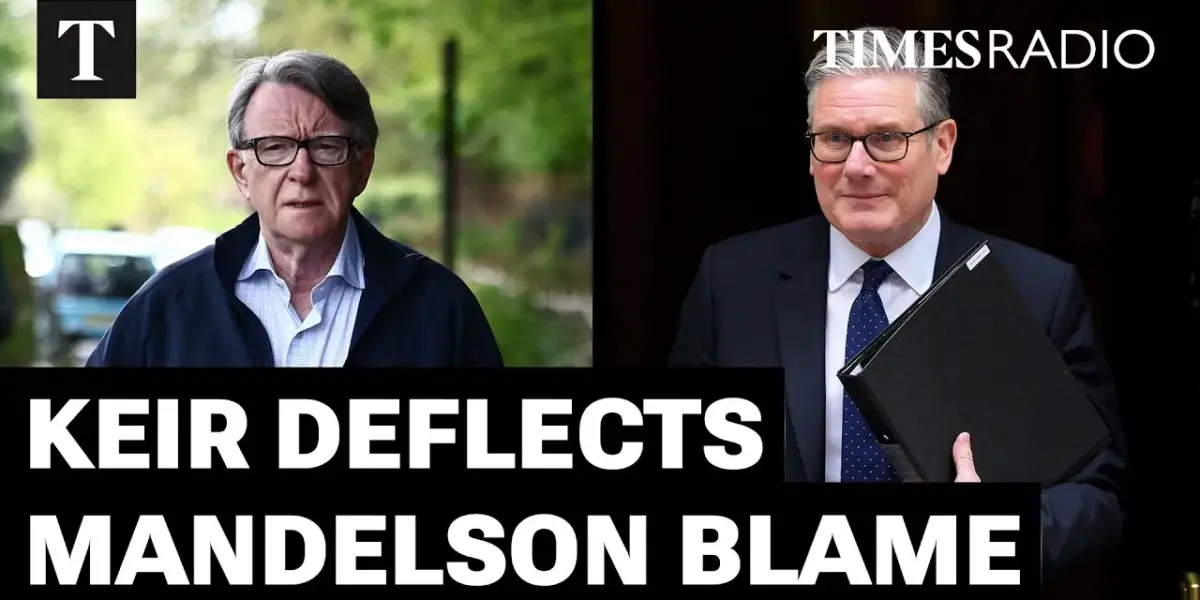
Prime Minister Accuses Top Official in Envoy Controversy
Prime Minister Keir Starmer is facing intense scrutiny over the appointment of Peter Mandelson as an ambassador to the United States. In a recent statement, Starmer shifted blame for the controversial decision onto a high-ranking civil servant, Sir Ollie Robbins, the former head of the Foreign Office. This move has deepened the political crisis, drawing criticism from within his own party and raising serious questions about leadership and judgment.
The ‘Original Sin’ of Political Appointment
Many Labour MPs believe Starmer when he says he was not fully informed about the details of Mandelson’s vetting process. However, they cannot overlook what they call the ‘original sin’: the initial political decision to appoint Mandelson in the first place. This decision was made despite a due diligence report that highlighted potential reputational risks, leading to anger when those risks materialized.
Vetting Red Flags Ignored
The core of the controversy lies in the timing of Mandelson’s appointment and the subsequent revelation of a vetting report. Mandelson was announced as the US ambassador before the deep vetting process was completed.
This process, when finished, produced a report that raised significant ‘red flags’ regarding his suitability. Starmer’s defense strategy involved pointing fingers at Sir Ollie Robbins, who received the vetting report and allegedly passed it on without fully disclosing these concerns to the Prime Minister or other ministers.
Starmer Defends Integrity, Blames Robbins
Starmer has repeatedly stated his honesty throughout the affair and has apologized for the handling of the appointment. However, his recent statement went beyond defending his personal integrity.
He accused Robbins of not just procedural errors but of a deliberate decision not to inform ministers about the vetting issues. This accusation places Robbins directly in the line of fire ahead of his appearance before the Foreign Affairs Select Committee.
Distinction in Security Clearance
A key point of discussion has been the distinction between Mandelson being denied security clearance and being recommended against it. The report suggests that Robbins’s actions implied a positive decision to proceed, rather than a denial. This suggests a belief within the Foreign Office that Mandelson was intended for the role, possibly influenced by Starmer’s desire to have him appointed, supported by advice from his then chief of staff, Morgan McSweeney.
Political Project Driven by Allies
Critics argue that Starmer’s political project has been driven by allies like McSweeney rather than his own core beliefs. They point to his evolution from a ‘Corbyn-lite’ stance to actively pushing Jeremy Corbyn out of the party.
This narrative suggests a pattern of risky political maneuvering rather than central leadership. The lack of strong support from Labour backbenchers during Starmer’s statement further fueled the perception that government actions sometimes happen around him, rather than being fully controlled by him.
Due Diligence Report Details
The due diligence report, commissioned by the Cabinet Office, reportedly highlighted several issues concerning Mandelson’s suitability. These included his known associations with Jeffrey Epstein and business dealings with a Russian company linked to Russia’s military.
The report also noted a connection to a Chinese pharmaceutical firm. These points were flagged as carrying general reputational risk, which MPs feel warranted closer examination before any appointment.
Reputational Risk and Political Fallout
Labour MPs understand that Starmer may not have been fully aware of all details, but they struggle with the initial political decision to appoint Mandelson. Knowing the potential reputational risks, they question the subsequent anger when those risks became public.
The outcome, they feel, was predictable based on the information presented to the Prime Minister. The low attendance of Labour MPs in the chamber during Starmer’s statement is seen as an indicator that, while this issue might not end his career, it adds to a growing sentiment that he may not be the right leader for the next general election.
Shadow of Doubt Remains
The controversy surrounding Peter Mandelson’s intended ambassadorship has cast a long shadow over Prime Minister Starmer. The questions raised about his judgment and leadership have not dissipated. The doubts persist, suggesting that this affair will continue to be a significant concern as the political calendar moves forward, particularly with upcoming local elections.
Source: Appointing Mandelson Was The ‘Original Sin’ (YouTube)

Related Articles

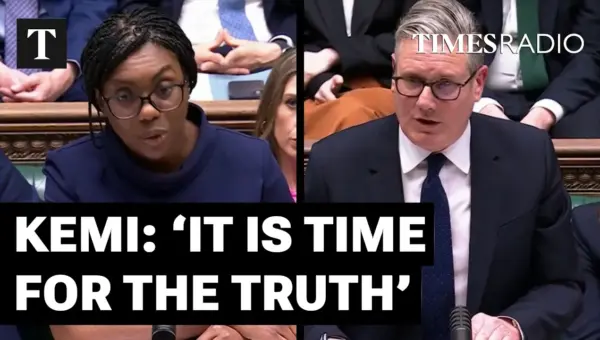
PM Grilled on National Security Risk Appointment
Prime Minister faces intense questioning over the appointment of Peter Mandelson as US ambassador, following revelations that he failed security vetting. Downing Street admits the PM inadvertently misled Parliament, sparking accusations of a ministerial code breach and national security concerns.
PM Faces Parliament Over Vetting Scandal, Robbins Next
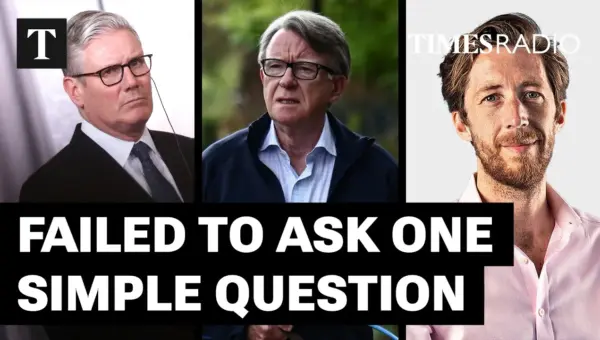
Prime Minister Keir Starmer faces Parliament today over the Peter Mandelson vetting controversy, expected to blame senior civil servant Sir Olly Robbins. Robbins' testimony tomorrow is seen as critical, with potential implications for Starmer's leadership. Meanwhile, Londoners face significant disruption from Tube strikes this week.
PM Faces Reckoning Over Envoy’s Security Vetting Scandal
Prime Minister Keir Starmer faces intense scrutiny over the appointment of Peter Mandelson as ambassador, who was given the role despite failing security vetting. The scandal has drawn comparisons to past governments and raised questions about accountability and adherence to process. Starmer is set to address Parliament, while Sir Oliver Robbins will be questioned by a select committee.