Trump’s Iran Standoff: Diplomacy or Dangerous Game?
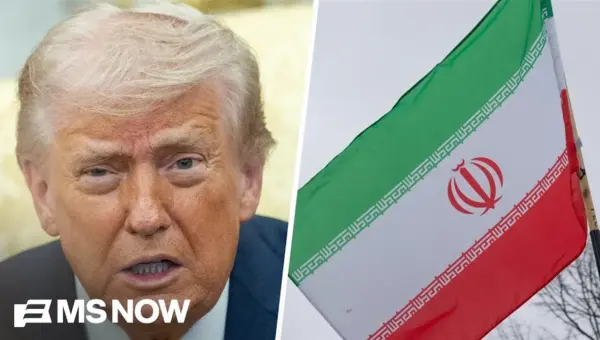
Iran has publicly defied President Trump's demands, refusing to attend negotiations unless the U.S. lifts its Persian Gulf blockade and stops issuing threats. Despite Iran's stance, the U.S. has sent an advance team, highlighting a tense diplomatic standoff. The situation is further complicated by conflicting public statements and social media rhetoric from both sides, raising questions about the path forward.

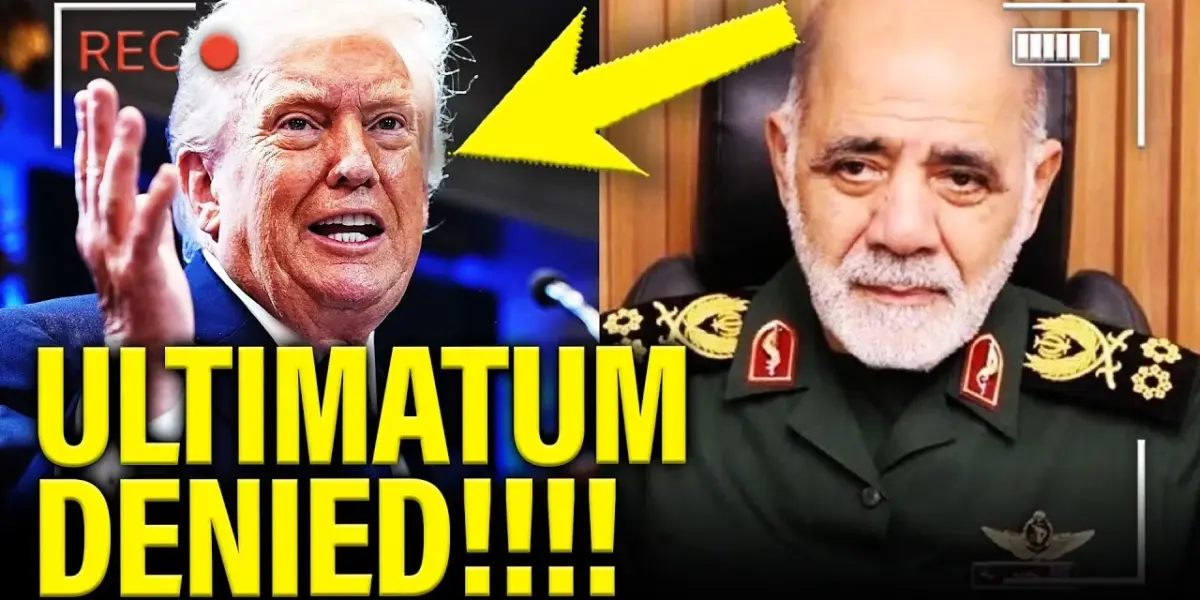
Iran’s Bold Stance Challenges Trump’s Ultimatum
Tensions are high as Iran publicly states it will not attend further negotiations with the United States in Islamabad. Iran’s position is clear: they demand the U.S. uphold a previously agreed-upon 10-point framework and stop issuing threats. This defiance comes as the Trump administration reportedly sent aircraft to Pakistan in preparation for potential talks, creating a stark contrast between diplomatic preparations and Iran’s firm refusal to engage under current conditions.
Iran has made it known that their negotiators will only appear if the U.S. lifts its blockade of the Persian Gulf and if President Trump stops misrepresenting their negotiating stance. Pakistan’s top official, Field Marshal Munir, has reportedly conveyed to President Trump that Iran is unlikely to participate as long as the blockade remains and threats against their civilization and infrastructure continue. Despite these warnings, Trump’s advance team has been sent to Islamabad, seemingly to wait for Iran’s arrival, even as Iran publicly signals its absence.
Conflicting Signals and Social Media Rhetoric
President Trump’s public statements on social media reflect a complex and sometimes contradictory approach. He has linked the October 7th events to his long-held view that Iran should not possess nuclear weapons.
Simultaneously, he has criticized media reporting and polls as fake news and rigged, drawing parallels to the 2020 election and Venezuela. Trump also suggested that if Iran’s new leaders are smart, the nation could have a prosperous future, hinting at a desire for regime change while also leaving the door open for a different outcome.
Internal discussions within the U.S. military, as suggested by the transcript, indicate a recognition of the high costs associated with aggressive military action. Generals reportedly informed Trump that a ground invasion would result in massive casualties, potentially tens of thousands of American soldiers.
This appears to have led Trump to favor a strategy of public posturing and strong statements on social media rather than direct military engagement. Iran, in turn, seems to perceive this approach as a lack of genuine resolve, viewing Trump as someone who talks tough but ultimately backs down when directly confronted.
Iran’s Media Strategy and Diplomatic Stance
Iranian social media accounts have actively mocked President Trump, using memes and videos that portray him as a “paper tiger” afraid of market crashes and backing down. These posts often feature imagery of the U.S. Navy interacting with cargo ships, questioning the shift from threats of destruction to actions perceived as piracy.
Iran’s Foreign Ministry spokesperson has reiterated that there are no plans for further negotiations and that issues like transferring enriched uranium are not on the agenda. They also stated that Iran does not recognize deadlines or ultimatums and will respond decisively to any new aggression.
The spokesperson further indicated a lack of confidence in U.S. sincerity regarding diplomacy, pointing to constantly changing demands from the American side. Meanwhile, President Trump has reportedly reached out to media outlets, seeking to shape the narrative. He expressed his willingness to go to Islamabad himself for negotiations, suggesting that such talks are expected and that “nobody’s playing games.” His comments to reporters also touched on energy prices, disagreeing with his own Energy Secretary’s assessment about when gas prices might fall.
Divergent Views on Policy and Past Negotiations
The debate over U.S.-Iran policy has drawn sharp contrasts between different political figures. Some Republican representatives have echoed Trump’s tough stance, suggesting Iran should have learned a lesson and that the U.S. would retaliate severely if a deal wasn’t reached. They also linked high gas prices to political opponents, while asserting that prices would fall with a resolution to the conflict.
Conversely, Democratic figures have criticized Trump’s approach, contrasting it with the Obama administration’s policies. They argue that the Obama administration successfully removed a significant amount of Iran’s enriched uranium and avoided direct military conflict.
Concerns have also been raised about potential business entanglements and conflicts of interest involving figures like Jared Kushner, who has reportedly received substantial funding from Saudi Arabia while engaging in diplomatic roles with Iran. This has led to accusations of “grifting billions” through direct quid pro quo arrangements, contrasted with the scrutiny faced by Hunter Biden for his board positions.
Historical Context and Future Outlook
Looking back, President Trump’s past statements, such as one from March 2026, outlined objectives including unconditional surrender from Iran, the selection of new leadership by the U.S. and allies, and U.S. assistance in rebuilding Iran. These past demands highlight a consistent theme of seeking significant concessions and exerting substantial influence over Iran’s internal affairs. The current situation, marked by Iran’s defiance and Trump’s public pronouncements, suggests a continuing struggle between aggressive posturing and the pursuit of diplomatic solutions.
The dynamic between the U.S. and Iran remains a critical point of global concern, influenced by regional politics, economic factors like oil prices, and the complex interplay of domestic political pressures in both countries. The effectiveness of Trump’s negotiation strategy, particularly his reliance on public statements and perceived brinkmanship, will continue to be closely watched. Iran’s steadfast refusal to engage under duress indicates a strong commitment to its national interests, setting the stage for further diplomatic maneuvering or potential escalation.
Why This Matters
The ongoing standoff between the United States and Iran carries significant weight for global stability and economic markets. Iran’s refusal to negotiate under threat, coupled with President Trump’s assertive rhetoric and diplomatic preparations, creates a volatile situation.
The potential for miscalculation is high, with far-reaching consequences for regional security and international relations. The outcome of these diplomatic exchanges, or their absence, could impact everything from oil prices to the broader geopolitical balance in the Middle East.
The differing perspectives on diplomacy and past agreements highlight a deep divide in how to approach Iran. While some advocate for strong pressure and the potential for regime change, others emphasize the importance of sustained diplomatic engagement and adherence to international agreements.
The influence of economic factors, such as the price of oil and potential market reactions to geopolitical events, also plays a key role in shaping these decisions. The way this situation unfolds will offer insights into the efficacy of different diplomatic strategies in addressing complex international challenges.
Source: Trump PANICS as Iran DEFIES ULTIMATUM!!! (YouTube)

Related Articles

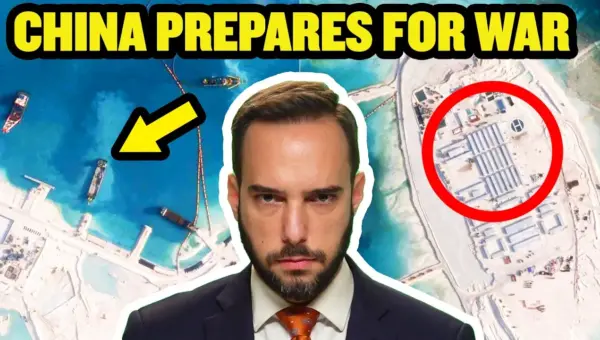
China Escalates South China Sea Claims
China is aggressively expanding its military presence and control in the South China Sea, building new bases and using tactics like dumping cyanide to assert its claims. This escalation occurs while the US is focused elsewhere, raising concerns about regional stability and future confrontation.
Navy Deploys Sea Drones to Clear Hormuz Mines
The U.S. Navy is deploying advanced sea drones to clear potential mine threats in the Strait of Hormuz, a vital shipping lane. Retired Navy SEAL Mike Sarraille detailed the types of Iranian mines and the technology used to neutralize them. The situation also involves U.S. Ambassador Mike Walz defending President Trump's stance on targeting Iran's civilian infrastructure if necessary.
Rep. Smith: Trump Misrepresents Iran Talks, Escalation Risks
Congressman Adam Smith expressed significant concerns regarding the accuracy of President Trump's statements about U.S. negotiations with Iran. Smith stated that the talks are far from resolved and that Iran's demands remain vastly different from U.S. objectives. He also warned that escalating actions and threats against civilian infrastructure could be considered war crimes and harm U.S. credibility.