Trump Officials Fear Pardons Won’t Stop Lawsuits
Trump administration officials are reportedly terrified that even presidential pardons won't protect them from a wave of lawsuits. Many are buying legal insurance, anticipating defamation cases and other civil actions. This highlights the limits of pardons and the potential for legal accountability.

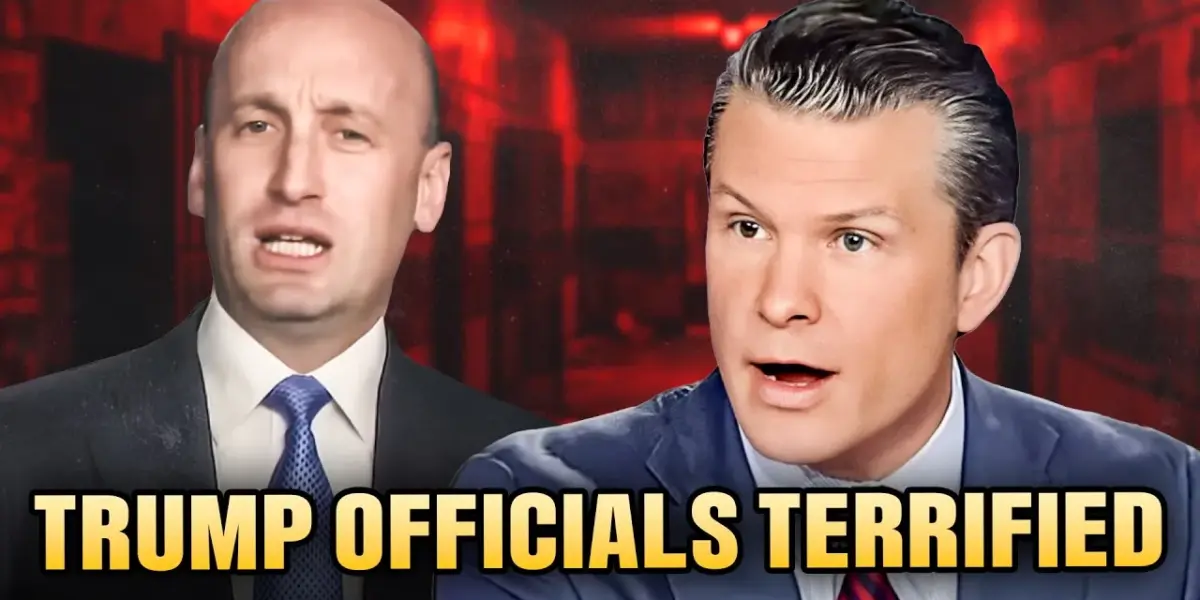
Trump Officials Fear Pardons Won’t Stop Lawsuits
Insiders within the Trump administration have shared a growing fear: even a presidential pardon might not protect them from future legal trouble. They worry that leaving office will open them up to a flood of lawsuits. This anxiety is particularly high among certain individuals who fear the consequences of their actions.
According to sources speaking to Zateo, Stephen Miller and Pete Hegseth are among the most worried. Their fear centers on the possibility of Democrats regaining control of Congress after the midterm elections. If this happens, they anticipate potential impeachment proceedings.
Impeachment Concerns and Pardon Limits
While Stephen Miller might not be subject to impeachment as he wasn’t a congressionally approved official, Pete Hegseth faces existing articles of impeachment. Even with these possibilities, they are reportedly concerned that a presidential pardon from Donald Trump would not be enough to shield them from accountability.
The administration has a history of making personal attacks against citizens, including members of the media and private individuals. These actions have led some to suggest filing defamation lawsuits against officials. Now, it appears many within the administration are preparing for such legal battles.
Legal Insurance as a Precaution
Multiple Trump administration officials have been purchasing new legal insurance and professional liability coverage. This move is a clear sign they are anticipating future investigations, subpoenas, and potential lawsuits. This type of insurance is similar to what media organizations carry.
Professional liability insurance can act like car insurance for defamation cases. If an official is sued for defamation, the insurance company, rather than the individual, would typically handle the payout. This offers a financial safety net against potentially costly legal judgments.
Beyond Prosecutions: The Threat of Civil Suits
The purchase of this insurance suggests a broader concern than just criminal prosecutions or impeachments. Officials seem to understand that they may face a barrage of civil lawsuits, particularly for defamation. They aim to protect their personal assets from being depleted by these legal challenges.
However, the insurance may not cover all potential costs. Depending on the amount and nature of the lawsuits, the coverage might not be sufficient to shield them completely. This means that while they are preparing, they may still face significant personal financial risk.
A Tactic Turned Against Them
The strategy of using legal pressure and public attacks to silence opponents, a tactic reportedly used by the Trump administration, may now be used against those within it. The fear is that the same legal mechanisms they may have employed could now be turned against them by citizens and organizations they have targeted.
Ultimately, the purchased insurance and the fear of lawsuits highlight a growing concern within the administration. It suggests that even presidential pardons might not be a foolproof defense against all the legal ramifications they might face after leaving office. The legal battles ahead could be extensive.
Why This Matters
This situation highlights a critical aspect of accountability within government. It shows that officials may be preparing for the legal fallout of their actions, even while still in power. The proactive purchase of legal insurance points to an understanding that their decisions and public statements could have long-lasting legal consequences.
It also brings to light the power of civil litigation, particularly defamation suits, as a tool for redress. While presidential pardons can shield individuals from federal criminal charges, they generally do not prevent civil lawsuits or state-level prosecutions. This distinction is crucial for understanding the limits of executive power in protecting subordinates.
Historical Context and Future Outlook
Throughout history, high-profile administrations have faced scrutiny and legal challenges upon leaving office. The intensity of these challenges often depends on the nature of the administration’s policies and the conduct of its officials. The current situation reflects a pattern where those in power must eventually answer for their actions.
The trend of officials seeking protection through insurance suggests a growing awareness of legal risks. As political and legal environments evolve, future administrations might see similar preparations. This could lead to a more litigious environment for public service.
Implications for Public Trust
When officials appear to be preparing for legal battles, it can impact public trust. It may suggest a lack of confidence in their own actions or a belief that they will be held accountable. Transparency and ethical conduct are key to maintaining public faith in government institutions.
The prospect of widespread lawsuits also raises questions about the role of the justice system in addressing alleged wrongdoing by public officials. Ensuring that the legal system is fair and accessible for all parties is paramount. It is important that the pursuit of justice does not become solely a matter of financial resources.
The upcoming midterm elections could significantly influence the scope and nature of these legal challenges. The outcome will determine the political climate and the potential for further investigations. The legal and political futures of these officials remain uncertain.
Source: Trump Officials TERRIFIED That Even Pardons Won’t Save Them (YouTube)

Related Articles

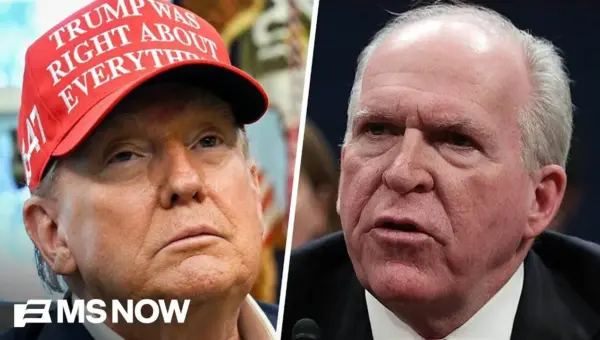
Ex-Trump Lawyer Leads Probe Into CIA’s John Brennan
Joseph DiGenova, a former Trump campaign lawyer, has been appointed to lead a Justice Department probe into former CIA Director John Brennan. This comes after a veteran prosecutor was removed from the case for reportedly finding insufficient evidence for charges. The appointment raises concerns about potential conflicts of interest and the impact on the intelligence community.
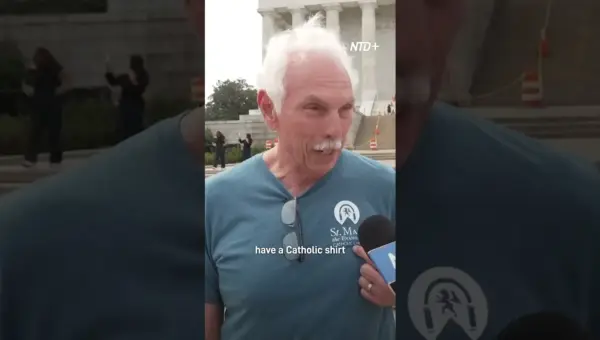
Faith and Freedom: Americans Speak on Religious Liberty’s Role
Americans express strong support for religious liberty, viewing it as a foundational principle of the nation. Recent government initiatives have sparked discussions about faith's role in public life and the importance of moral guidance.
Trump Aides Hid President From Crisis Talks
A report reveals President Trump's own officials kept him out of the Situation Room during a critical Iran rescue mission, fearing his impatience would be detrimental. This occurred while Trump was reportedly distracted by political concerns and making impulsive threats. The incident raises questions about leadership during crises and the potential for future missteps.