China Aids Iran, Fuels Geopolitical Tensions
China's alleged provision of targeting satellite data and advanced weaponry to Iran has significantly heightened geopolitical tensions. This support includes enabling Iran to operate a Chinese satellite and supplying supersonic missiles, placing China on an opposing side to U.S. interests.

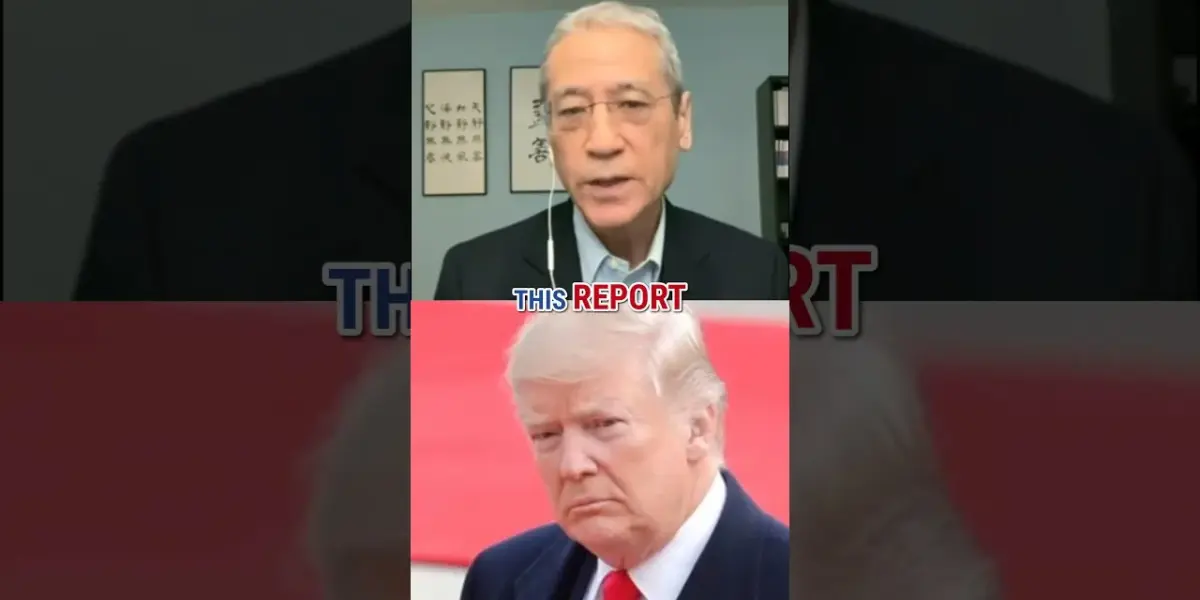
China Aids Iran, Fuels Geopolitical Tensions
Recent intelligence suggests China has provided critical targeting satellite information to Iran, escalating geopolitical tensions. This alleged support includes allowing Iran to operate a Chinese satellite, which has reportedly been used to track and target naval vessels. This development places China firmly on the opposing side of American interests in a complex global security environment.
Reports indicate that Iranian forces have utilized Chinese weaponry, including advanced supersonic anti-ship cruise missiles. These missiles were reportedly fired at the USS Abraham Lincoln late last month. The use of such sophisticated Chinese technology by Iran raises serious concerns about arms proliferation and Beijing’s role in regional conflicts.
Further intelligence points to China’s involvement in supplying passive radar technology to Iran. This technology can be used to detect aircraft and missiles without emitting signals, making it difficult to track. Such advancements in Iran’s military capabilities, facilitated by China, pose a significant threat to international stability and security.
The implications of China’s alleged actions are substantial. By providing military intelligence and advanced weaponry, Beijing appears to be actively supporting Iran’s strategic objectives. This behavior directly challenges the United States and its allies, creating a more dangerous global stage.
Market Impact
This geopolitical friction between China and the U.S., exacerbated by alleged Chinese support for Iran, can impact global markets. Defense stocks might see increased interest as global security concerns rise.
Conversely, companies with significant exposure to Chinese markets or supply chains could face uncertainty. Investors often react to geopolitical instability by seeking safer assets, such as gold or U.S. Treasury bonds, leading to shifts in investment portfolios.
The situation highlights the interconnectedness of global politics and economics. Increased military spending by nations responding to perceived threats can stimulate certain sectors but also divert resources from other areas. Understanding these dynamics is crucial for investors assessing risk and opportunity in the current climate.
What Investors Should Know
Investors should monitor developments in the Middle East and the broader U.S.-China relationship closely. Geopolitical events can lead to sudden market volatility, affecting stock prices and currency exchange rates. Companies operating in sensitive regions or relying on international trade may experience fluctuations in their earnings and valuations.
The alleged Chinese support for Iran suggests a strategic alignment that could reshape regional power balances. This can influence energy prices, shipping routes, and the overall economic outlook for affected areas. Investors need to consider how these geopolitical shifts might affect their existing holdings and future investment strategies.
The U.S. administration’s stance on such actions is critical. Policies enacted in response to perceived aggression or strategic maneuvering by adversaries can have direct economic consequences. For example, tariffs, sanctions, or shifts in trade agreements can alter the profitability of businesses and the attractiveness of certain markets.
The ongoing situation demands a cautious approach from investors. Diversification across different asset classes and geographical regions can help mitigate risks associated with geopolitical uncertainty. Staying informed about international relations and economic policies is key to making sound investment decisions during these times of global flux.
The U.S. President’s decision to refrain from visiting the capital of an alleged enemy combatant highlights the severity of the perceived threat. This diplomatic posture signals a hardening stance and potential for further escalation in international relations. Investors should anticipate potential responses and their economic reverberations.
Source: Gordon Chang: China is an ENEMY combatant #shorts (YouTube)

Related Articles
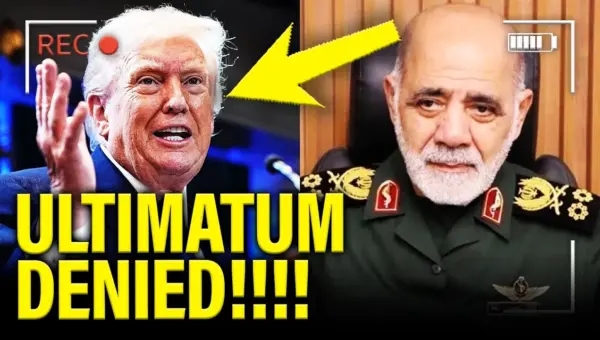
Trump’s Iran Standoff: Diplomacy or Dangerous Game?
Iran has publicly defied President Trump's demands, refusing to attend negotiations unless the U.S. lifts its Persian Gulf blockade and stops issuing threats. Despite Iran's stance, the U.S. has sent an advance team, highlighting a tense diplomatic standoff. The situation is further complicated by conflicting public statements and social media rhetoric from both sides, raising questions about the path forward.
US Navy Blasts Iranian Ship Near Hormuz
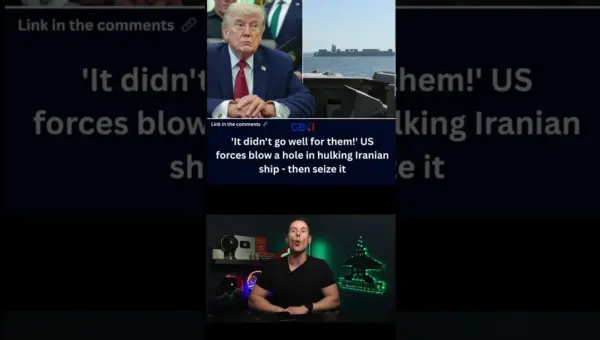
U.S. naval forces seized the Iranian cargo ship Motor Vessel Touska near the Strait of Hormuz after a six-hour standoff. The USS Spruance disabled the ship with gunfire, and Marines from the 31st MEU took custody. This action escalates regional maritime tensions as a ceasefire deadline nears.
Trump Won’t Rush Iran Deal, May End Ceasefire
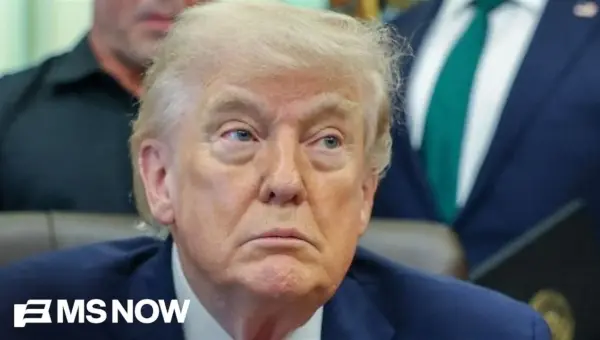
President Trump stated he is in no rush to finalize a deal with Iran and is unlikely to extend the current ceasefire. Experts suggest this signals desperation, while conflicting messages from the administration add to the uncertainty surrounding the ongoing negotiations.