1996: Britain’s Peak Year Fueled by Thatcher, Pop Stars, and Football
Dominic Mohan's new book argues 1996 was Britain's peak year, fueled by Britpop, Euro 96, and Tony Blair's rise. He reveals how even Margaret Thatcher's policies indirectly boosted the era's creative explosion. The Sun newspaper also played a role, acting like the nation's social media before the internet age.

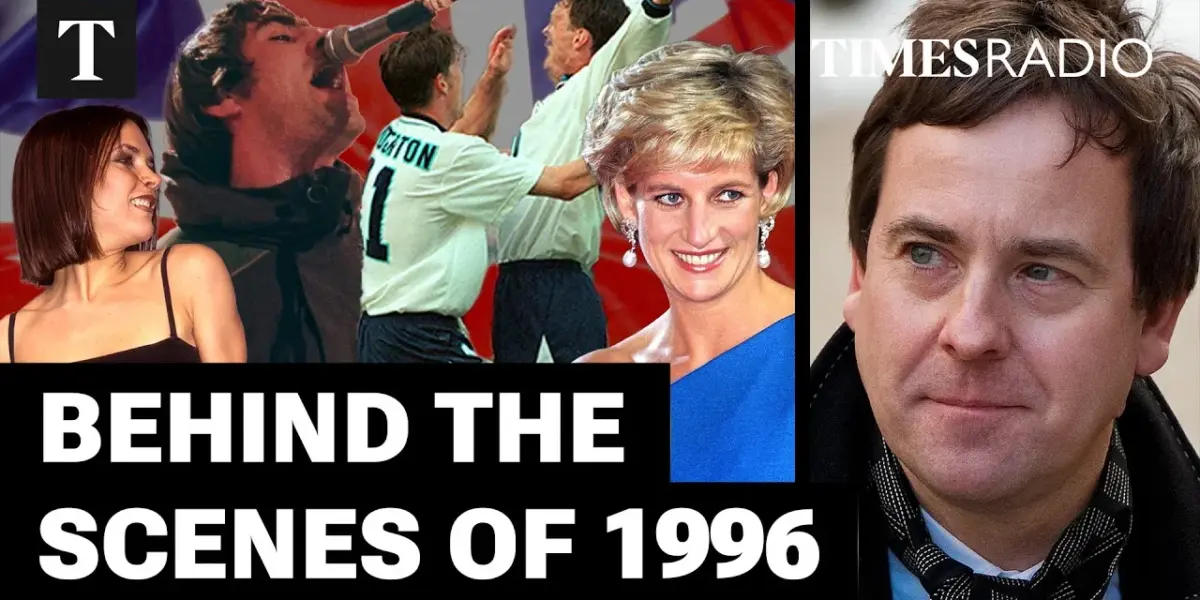
Britain’s Cultural Explosion: A Look Back at 1996
The year 1996 stands out as a high point in modern British history, a vibrant period marked by a surge in music, culture, and national optimism. Dominic Mohan, former showbiz reporter and editor of The Sun, argues in his new book, “1996: My Backstage Pass to the Wildest Year of Britain’s Wildest Decade,” that this was truly Britain at its best. The book highlights iconic moments and figures, from the rise of Britpop bands like Oasis and the Spice Girls to political shifts with Tony Blair and the excitement of Euro 96.
Mohan joined The Sun in January 1996, and he describes a constant stream of cultural events. The Brit Awards that February felt like a coronation for Britpop and “Cool Britannia.” Tony Blair presented an award to David Bowie, Oasis took home multiple awards, and Jarvis Cocker’s infamous protest against Michael Jackson captured the spirit of a new, confident British identity. Mohan recalls this era feeling like the soundtrack to his adult life, a feeling many who lived through it might share.
Football Fever and Solo Stars
The energy of 1996 was also fueled by football. The semi-final of Euro 96 at Wembley saw a nation united, singing “Football’s Coming Home” with immense hope. Even though England didn’t win, the atmosphere was electric, symbolizing a broader sense of national stirring.
Mohan himself was at that game and then rushed to a press conference where Robbie Williams announced his solo career, wearing an England shirt. This moment perfectly captured the year’s blend of major cultural forces: football, rock, pop music, and art. It was a time when artists like Damien Hurst and Tracy Emin were also gaining prominence, alongside the growing influence of New Labour.
Thatcher’s Unlikely Legacy
Interestingly, Mohan makes a case that the creative boom of the 1990s, including Britpop, was indirectly fueled by policies from Margaret Thatcher’s Conservative government in the 1980s. This is presented as a significant irony, as Britpop’s rise predated Tony Blair’s election.
Thatcher’s Enterprise Allowance Scheme, designed to help people start their own businesses, played a key role for many artists. Tracy Emin has spoken about how this scheme allowed her to pursue her art career.
Alan McGee, founder of Creation Records, which signed Oasis, also started his influential label thanks to the scheme. Even musicians like Shaun Ryder of Happy Mondays credited the allowance for helping their bands survive.
The Sun as the Nation’s Social Media
In 1996, before widespread internet use, newspapers like The Sun served a similar function to today’s social media. With only about 4% internet access in the UK, daily newspaper sales were massive, reaching around 16 million copies. On Grand National Saturday in March 1996, The Sun alone sold an astonishing 4.8 million copies.
Broadcaster Vernon Kay recalled using The Sun’s Bizarre column, where Mohan worked, to find out where celebrities were hanging out. He would then try to visit those places, seeking to catch a glimpse of stars like Liam Gallagher. This was a day behind the instant updates of platforms like TikTok or X, but it was the primary way people connected with the gossip and trends of the time.
Harmony Between Mainstream and Alternative Culture
A key theme of 1996 was the unusual harmony between alternative and mainstream culture. Bands that might have been considered niche just a few years earlier, like Oasis, suddenly found themselves in the mainstream spotlight. Mohan, who started in journalism in 1990 covering Manchester bands like the Stone Roses and Happy Mondays, saw these artists move from music paper darlings to national stars.
He believes this crossover happened because a new generation of journalists, who had grown up with acid house and the Manchester music scene, were entering the media. They were passionate about these artists and eager to write about them for a wider audience. This timing created a perfect storm for Britpop’s mainstream success.
Behind the Scenes: Encounters with Stars
Mohan shares some memorable personal encounters from his time as a reporter. He recounts an awkward meeting with Phil Collins in 1996.
After interviewing Collins’ ex-wife two years prior, Mohan was introduced to the singer at an after-party. Collins recognized his name, realizing Mohan was the reporter who had written about his personal life, leading to a tense moment where Collins stormed out of his own party.
Another notable encounter was an impromptu interview with George Michael in a corner shop at 2 a.m. In Soho.
Michael had been in the news for a misdemeanor arrest in Los Angeles, and finding him was a major scoop. Mohan managed a brief, informal chat, capturing Michael’s first public words after the incident.
The Shadow of Princess Diana’s Death
The year 1996 also falls within the period leading up to the tragic death of Princess Diana in 1997. Mohan reflects on the sometimes vicious relationship between the press and celebrities during this era, often referred to as paparazzi culture. While he developed a reputation for being on side with many stars he interviewed, he acknowledges the intensity of the media scrutiny.
Tony Blair, whom Mohan interviewed for the book, suggested that Diana’s death marked a turning point, potentially signaling the end of the “Cool Britannia” phase. Following her death, many newspapers pledged to stop running paparazzi pictures, and the public mood shifted.
Britpop’s more raucous elements temporarily faded, with radio stations playing softer music. However, bands like The Verve, with their hit “Bittersweet Symphony,” later helped bring back a sense of Britpop’s spirit.
What’s Next for British Culture?
Looking back at 1996 offers a powerful reminder of a unique moment when British culture seemed to reach a zenith of creativity and confidence. The confluence of music, sports, politics, and media created an atmosphere that many still remember fondly. As Britain navigates new cultural and political landscapes, the lessons and memories of 1996 continue to resonate.
Source: Thank Thatcher For 1996, The Wildest Year In The Wildest Decade For Britain | Dominic Mohan (YouTube)

Related Articles


British Teens Show Surprising US Knowledge, Americans React
A recent YouTube reaction video tested British high schoolers on their knowledge of the United States, revealing surprising awareness of presidents, landmarks, and historical events. The American host was impressed, noting that the British teens often demonstrated more knowledge about the US than many Americans have about the UK.


Beyond Tea and Crumpets: An American’s Deep Dive into the Quirks of British Life
An American observer recently embarked on an online journey, reacting to 15 viral posts that offer a candid and often humorous glimpse into the unique facets of British life. From the surprising precision of UK package tracking and ancient, boisterous traditions like the Atherstone Ball Game to the distinctive British sense of humor and the pervasive culture of tea and baked beans, the commentary unpacks a Britain that is both familiar and strikingly unique. This exploration highlights the cultural nuances that differentiate nations, fostering a deeper understanding and appreciation for the UK's distinctive charm.


Pilot Dies After Small Plane Crashes Into Florida Backyard
A pilot died after a small plane crashed into a residential backyard in Wesley Chapel, Florida. Witnesses described a loud, mechanical sound before the Cessna went down. Neighbors rushed to help but found only ash and rubble. The NTSB is investigating, with witnesses crediting the pilot with a heroic maneuver to avoid hitting homes.