Trump’s J.D. Vance Game: Humiliation or Strategy?
Conflicting reports about J.D. Vance's involvement in Iran talks created significant confusion, with Donald Trump initially excluding him, only for officials to later confirm Vance's leadership role. Commentators speculate this is part of a strategy by Trump to test Vance or potentially humiliate him, while also elevating Jared Kushner. Vance's own public statements suggest anxiety about aligning with the war, possibly to protect future political ambitions.

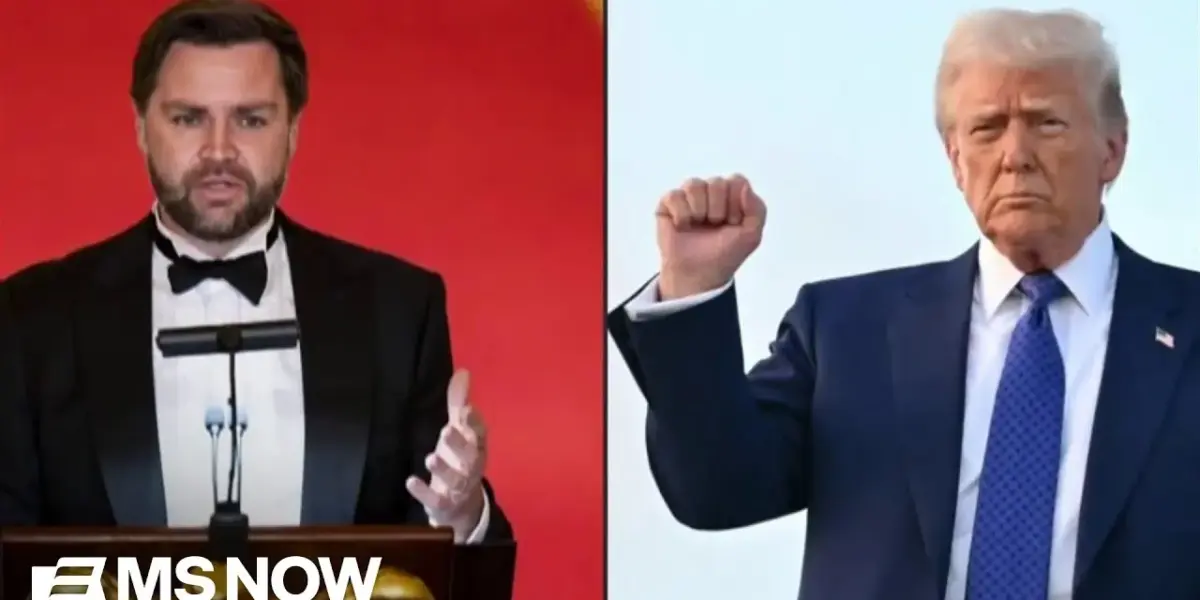
Conflicting Reports Emerge on Vance’s Role in Iran Talks
Vice President J.D. Vance experienced a confusing day filled with conflicting reports about his potential involvement in upcoming talks with Pakistan and Iran. Early reports suggested Vance would lead a second round of negotiations.
However, former President Donald Trump stated that Vance would not be participating, naming U.S. Special Envoy Steve Witkoff and Jared Kushner instead. This created significant whiplash for the Vice President.
Less than an hour later, two senior U.S. officials informed MSNBC that Vance would, in fact, lead the delegation to Islamabad. This back-and-forth left many questioning the level of dysfunction and miscommunication within the administration.
The situation highlighted what some describe as a hazing, or deliberate humiliation, orchestrated by Donald Trump towards J.D. Vance.
Jared Kushner’s Prominent Role in Negotiations
One key observation from the situation was Donald Trump’s decision to elevate Jared Kushner to a prominent negotiation role on the global stage. Kushner, known as a real estate mogul and businessman, is seen by some as primarily focused on striking business deals for Trump’s family. This perspective is fueled by past comments from Kushner, who reportedly described the Gaza area as having potential for prime waterfront property shortly after the conflict began.
Critics argue that Kushner is not acting on behalf of the State Department but rather negotiating for Trump and the American people. The use of taxpayer money, weapons, and resources in these negotiations, led by someone perceived as prioritizing business interests, has been called “insane” by some commentators. This situation raises questions about the priorities and methods of U.S. foreign policy under this context.
Vance’s Apparent Anxiety Over the War
A prevailing theory suggests that J.D. Vance may be anxious about forcefully aligning himself with the ongoing war.
Evidence for this is seen in his public statements, including a moment where he reportedly stood up and declared his opposition to the war. This action, appearing unexpectedly in a detailed report on the conflict, suggests a strong desire to signal dissent.
Major news outlets have reported sources indicating the Vice President’s discomfort with the war. For those unfamiliar with Washington D.C.
Workings, such reporting is not seen as coincidental. It suggests a deliberate effort by Vance to distance himself from the conflict, possibly with an eye on future political ambitions, such as a presidential run in 2028.
Strategic Positioning and Public Perception
The constant shifts and conflicting information surrounding Vance’s role could be a strategic move by Trump. Trump, known for his focus on appearances and public reaction, may be using Vance as a way to gauge public sentiment or deflect blame. The idea is that if the negotiations go poorly, the fault could be placed on Vance, while any success would be claimed by Trump.
This approach also appears to protect other political figures, like Marco Rubio, who are seen to be associating with Trump at events. The article draws a parallel to Trump’s decision to put Mike Pence in charge of the COVID-19 response in early 2020, suggesting a pattern of using key figures for potentially difficult tasks.
Vance’s Past Associations and Perceived Bad Luck
Another perspective suggests that Trump might view Vance as a “bad luck charm.” This theory points to Vance’s past international engagements, including campaigning for Viktor Orbán in Hungary and a meeting with the Pope shortly before his passing. More recently, a Flemish right-wing party reportedly asked Vance to stay away, suggesting a reluctance to associate with him.
These instances, whether coincidental or not, contribute to a narrative that Vance’s involvement in international affairs has not always yielded positive outcomes. The article questions how much humiliation Vance is willing to endure, referencing a New York Times op-ed that posed the same question.
The “Alpha Male” Dynamic and Submissiveness
Commentators noted a peculiar dynamic among some men in Trump’s inner circle, particularly regarding hyper-masculinity and “alpha male” posturing. Despite projecting an image of dominance, these individuals often appear submissive to Trump. This creates a public performance where they seek to appear as dominant figures while consistently accepting public humiliation.
The article suggests that this behavior is a contradiction: to convince others of their powerful, masculine status, they engage in public displays of submission and humiliation. This is seen as a strategy to maintain favor and influence within Trump’s orbit, driven by a strong desire for power.
Looking Ahead: The Supreme Court and Future Political Moves
The immediate future will likely involve further scrutiny of the White House’s communication and decision-making processes. The upcoming days will show whether these conflicting reports were intentional political maneuvering or a sign of ongoing disarray.
The focus will also remain on J.D. Vance’s political future and how he navigates these challenging situations as he potentially eyes higher office.
The next major story to watch, as indicated by the program’s closing, is a significant expose rocking the Supreme Court. This suggests a shift in focus to other critical areas of government and potential controversy.
Source: Is Trump purposely trying to humiliate JD Vance? (YouTube)

Related Articles

Trump’s Iran Threats Spark GOP Concern, War Powers Debate
A U.S. Navy destroyer fired on an Iranian cargo ship amid heightened tensions, just hours after President Trump issued a stark warning to Iran. The incident and Trump's aggressive rhetoric have fueled growing concern in Congress, with some Republicans signaling a willingness to curb the president's war powers. Congressman Seth Moulton criticized Trump's threats as 'unhinged' and discussed broader issues of trust in government.

Trump Calls Iran Deal Talks; Vance Out, Kushner In
President Trump confirmed that U.S. negotiators Steve Whitlock and Jared Kushner will attend talks in Pakistan, while Vice President JD Vance will not attend due to security concerns. The discussions aim to address Iran's nuclear program and regional stability, with differing reports on the level of trust between negotiators and Iran. Analysts are closely watching the president's communication style and its impact on the delicate diplomatic process.

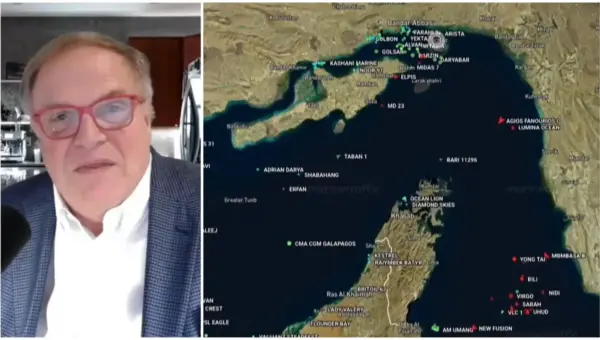
Trump’s Firm Stance Could Force Iran’s Hand
America's patience with Iran may be running out as repeated agreement breaches continue. Analyst Gan Valentino suggests that former President Trump's firm stance could force Iran's hand, potentially leading to military action if a deal isn't reached this week. The situation highlights long-standing geopolitical tensions and the complex future of Iran's governance and its role in the region.