US Seizes Iranian Ship in Strait of Hormuz Tensions
The US Navy has seized the Iranian cargo ship Tusca in the Strait of Hormuz, escalating tensions with Tehran. The action, part of a US counter-blockade, aims to influence ongoing peace negotiations. Analysts suggest the move is strategically significant but carries high risks, potentially impacting global trade and forcing international intervention.

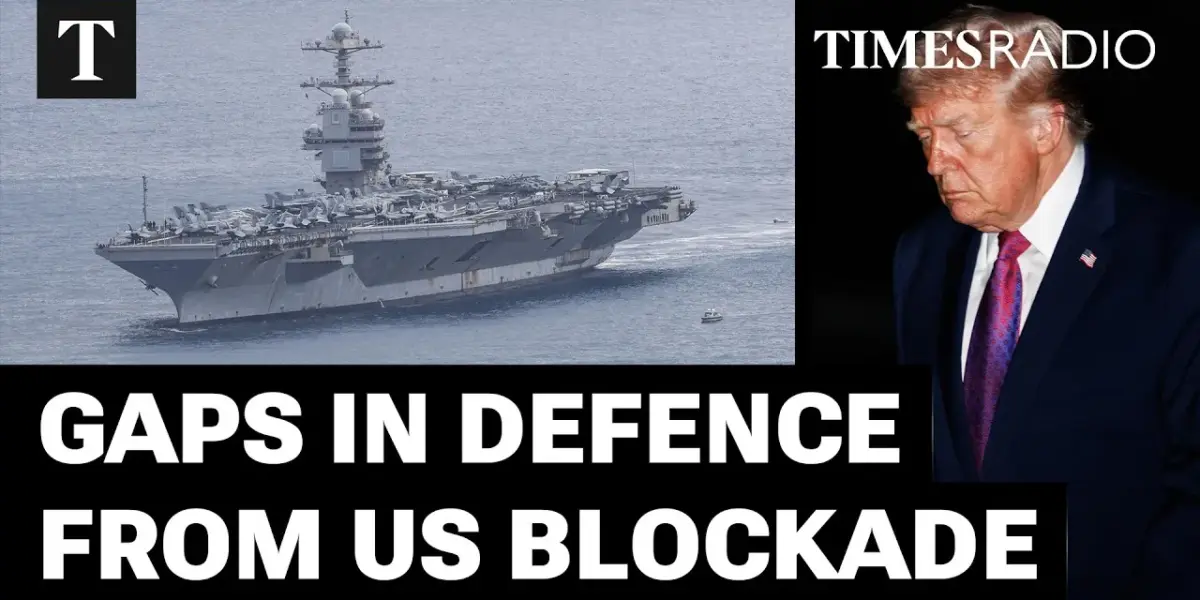
US Navy Confiscates Iranian Cargo Ship Amid Heightened Tensions
The United States Navy has forcibly seized an Iranian-flagged cargo ship, the Tusca, in the Strait of Hormuz. President Trump announced the action on Truth Social, stating the ship allegedly attempted to breach a naval blockade.
The guided missile destroyer USS Bainbridge disabled the vessel by damaging its engine room after the crew ignored warnings to stop. US Marines have taken full control of the ship and are investigating its cargo, marking a significant escalation in the ongoing conflict between Washington and Tehran.
Naval Blockade Strategy Faces Scrutiny
Defense analysts suggest the US counter-blockade in the Strait of Hormuz is proving effective. Francis Tusa, editor of Defense Analysis, noted that the action appears to be influencing Iran’s demands in ongoing peace negotiations.
While acknowledging the strategy carries high risks, Tusa implied it might be a calculated move by President Trump. The seizure demonstrates that the blockade is having a tangible impact on Iran’s actions and its perceived ability to control the vital waterway.
Legality and International Law of Ship Seizure
The legality of the US action is a subject of debate, with international lawyers expected to present opposing views. The US has clearly announced its rules of engagement, but legal interpretations will likely vary.
Tusa highlighted that Iran’s insistence on controlling the Strait of Hormuz, which he stated goes against international law, creates a difficult situation. This stance may force European nations to consider a military presence to protect their own cargo ships passing through the region.
US Aircraft Carrier Presence Strains Resources
Maintaining a continuous US naval presence in the Strait of Hormuz could strain American defense capabilities. Tusa explained that if the US lacks access to land-based air bases in the Gulf region, it must rely heavily on its aircraft carriers.
The US Navy has a limited number of these carriers. Dedicating one or two to the region full-time would mean reducing US carrier presence elsewhere in the world, raising questions about global US defense strategy.
Peace Talks Face Uncertain Future
A US delegation, including Vice President JD Vance, is preparing for peace negotiations in Pakistan. However, it remains uncertain whether Iran will attend these talks.
Tusa pointed out a potential split within Iran’s leadership, with the foreign minister signaling willingness to negotiate while the IRGC maintains a hardline stance on controlling the Strait of Hormuz. The outcome of these talks hinges on whether both sides can move from their initial, potentially unrealistic, demands towards a middle ground.
Global Economic Ramifications of Strait Closure
Disruptions in the Strait of Hormuz could have severe global economic consequences. Tusa warned that if the US were to target infrastructure like bridges and power plants, it could lead to a significant international backlash.
Tankers carrying vital goods such as fertilizer, sulfur, carbon dioxide, and helium might be unable to pass through. This could necessitate a European peacekeeping force to ensure the safe passage of shipping, regardless of the outcome of US-Iran negotiations.
Strait of Hormuz: A Lingering Global Concern
The situation in the Strait of Hormuz has become a recurring point of global anxiety, with constant uncertainty about potential escalations and the progress of diplomatic efforts. The ongoing standoff highlights the delicate balance of power in the region and the potential for localized conflicts to have far-reaching economic and political effects worldwide. Future rounds of talks will be crucial in determining whether a peaceful resolution can be found or if tensions will continue to simmer.
Source: US Vulnerable Due To Aircraft Carrier's Presence For Counter Blockade | Defence Editor (YouTube)

Related Articles

US Navy Seizes Iranian Ship Near Strait of Hormuz
The U.S. military released footage showing its forces seizing an Iranian-flagged cargo ship near the Strait of Hormuz. This operation, part of a naval blockade, highlights ongoing regional maritime security concerns. The incident occurs amid broader tensions between the United States and Iran.

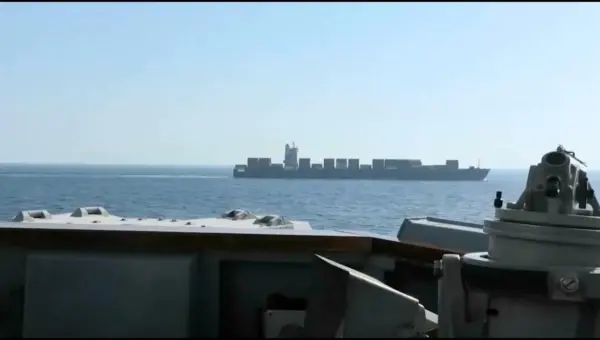
US Navy Sinks Iranian Ship in Gulf of Oman Standoff
U.S. Marines have seized an Iranian-flagged cargo ship in the Gulf of Oman after it attempted to bypass an American blockade. President Trump announced the vessel was disabled by a hole in its engine room and is now under U.S. Treasury sanctions for prior illegal activities. This incident escalates ongoing tensions and highlights maritime enforcement efforts in the region.

Trump’s Iran Talk Sparks Alarm Over War and Economy
Former President Trump's recent interview statements about the Iran conflict and the economy have drawn significant attention. His claims of the war being over contrast with troop deployments, while his predictions on oil prices and the impact on fertilizer costs raise economic alarms.