US Faces Limited Options Against Iran’s Strait Control
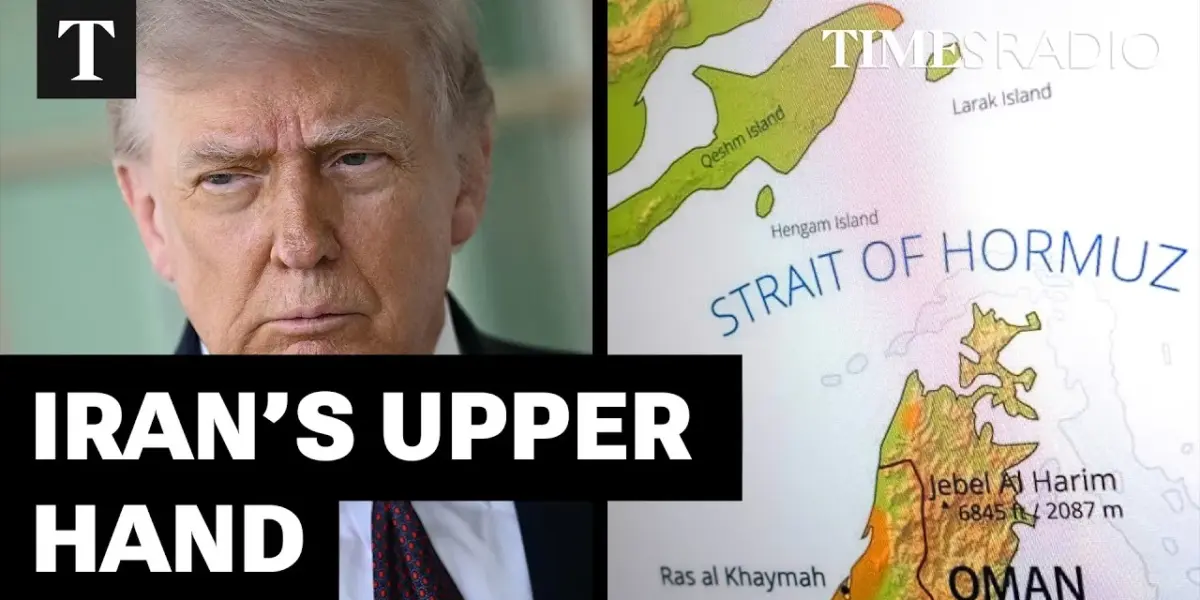
Iran's control over the Strait of Hormuz presents the U.S. with limited options beyond a massive ground invasion. Despite ongoing peace talks and a potential deal mirroring past agreements, Iran's demonstrated leverage over the vital economic chokepoint solidifies its strategic position. The conflict's economic fallout is impacting global markets, with the U.S. experiencing higher energy prices and slower economic growth, while other nations face more severe consequences.

US Faces Limited Options Against Iran’s Strait Control
The United States faces significant challenges in responding to Iran’s actions regarding the Strait of Hormuz, with limited options available short of a large-scale ground invasion. Recent developments suggest that negotiations for a peace deal are ongoing, but Iran’s strategic leverage remains a key factor. President Trump has indicated that his representatives will meet in Pakistan for peace talks, offering what he described as a “very fair and reasonable deal.” However, he also warned of severe consequences if the offer is rejected, including targeting Iran’s power plants.
Iran Flexes Negotiating Muscle
Negotiations between the U.S. and Iran have encountered recent setbacks, despite initial hopes for a resolution. Iran has asserted its control over the Strait of Hormuz, demonstrating its ability to impact global trade routes.
This move is seen as a tactic to gain leverage in the ongoing talks. Experts suggest that Iran is using its control over the strait as a bargaining chip, a strategy that President Trump reportedly views as an unacceptable form of coercion during negotiations.
A Familiar Path to a Deal?
Upcoming talks may mirror aspects of the previous U.S.-Iran nuclear deal signed under President Obama. Discussions are expected to focus on uranium enrichment, with potential U.S. offers to purchase enriched uranium from Iran in exchange for concessions on enrichment levels.
While details remain fluid, the general approach appears similar to the Joint Comprehensive Plan of Action (JCPOA). President Trump is likely to present any agreement as superior to the previous deal, but securing access through the Strait of Hormuz may necessitate reaching an accord with Iran.
Iran’s Enduring Strategic Power
Regardless of the outcome of any agreement, Iran is expected to emerge from this conflict strategically empowered. Its demonstrated ability to control the Strait of Hormuz, even if temporarily, has proven its influence over a critical global economic chokepoint. This assertion of power suggests that Iran’s grip on this vital waterway will likely be strengthened, leaving the U.S. with few options beyond a significant military intervention.
US Blockade Strategy Under Scrutiny
The U.S. administration’s decision to impose its own blockade on the Strait of Hormuz is viewed by some as a reactive measure. The strategy aimed to counter Iran’s actions by taking control of the strait, but its effectiveness is questioned.
It’s suggested that this move may have been a hasty response born out of uncertainty. The Trump administration’s reliance on coercive tactics over cooperative approaches is noted, leading to erratic actions when coercive power reaches its limits, similar to trade disputes with China.
Economic Repercussions of the Conflict
The conflict is having tangible effects on the U.S. economy, contributing to higher gas and diesel prices and slower hiring. Inflationary pressures remain a concern, with recent reports indicating negative trends.
While the U.S. economy is experiencing difficulties, other regions like Southeast Asia, Japan, and India are facing more severe economic impacts. India, in particular, has seen ships diverted and even fired upon in the Strait, highlighting the global economic vulnerability.
Political Ramifications for the Midterms
The ongoing conflict and its economic fallout could negatively impact the Republican party in upcoming midterm elections. Declining approval ratings suggest a challenging path forward for the administration.
The need for a strategic exit from the current situation is pressing if Republicans hope to retain any significant representation in Congress. Several strategic missteps have put the administration in a difficult position, making recovery challenging.
China’s Role and Upcoming U.S. Visit
China’s quiet maneuvering behind the scenes is a significant aspect of the current geopolitical climate. President Trump’s upcoming visit to Beijing is highly anticipated, though the war has introduced some uncertainty regarding expectations.
Commitments for China to purchase U.S. goods like soybeans and Boeing planes are anticipated, though delivery timelines for aircraft could extend for years. The concept of a U.S.-China trade board, where both nations would agree on tradeable goods, remains a developing idea.
Potential for Chinese Investment in the U.S.
A key question surrounding the upcoming U.S.-China meeting is the potential for Chinese investment in the United States. While some within the Trump administration are hesitant due to concerns about competition with subsidized Chinese companies, President Trump has expressed openness to such investments. This divergence highlights a potential area of negotiation and could have significant implications for U.S. manufacturers unprepared to compete with China’s economic scale and subsidies.
U.S.-China Leadership Dynamics
The relationship between President Trump and Chinese President Xi Jinping is characterized by a mutual respect for strong leadership. Despite frustrations, the Trump administration acknowledges China’s ability to resist U.S. coercive measures, recalling past trade disputes where China responded effectively to U.S. tariffs. This dynamic suggests a cautious approach to managing the U.S.-China relationship, particularly as the U.S. navigates Middle East complexities.
Shifting Political Tides and Populism
Recent political events, such as the election outcome in Hungary, suggest a potential shift in the influence of right-wing populism. While the White House may not have registered this as a major event, international observers noted the defeat of Viktor Orbán.
This raises questions about the future of right-wing populist movements in the U.S. and who will emerge as their leading figure. The cognitive dissonance among some Trump supporters regarding his administration’s approach to the Iran conflict, which contrasts with his campaign promise to avoid war, is also a point of consideration.
Trump’s Controversial Imagery
President Trump’s use of controversial imagery, such as a post comparing himself to Jesus, has drawn strong reactions. While not issuing a direct apology, he did remove the post and offered an explanation, which was met with skepticism. This incident highlights the sensitivity of religious imagery and suggests that even within his base, there are limits to what is considered acceptable, indicating a need for greater caution when invoking divine comparisons.
Source: Iran: There’s Nothing America Can Do ‘Short Of A Massive Ground Invasion’ | Gavin Bade (YouTube)

Related Articles
Trump’s Health Fears Spark Global Unease
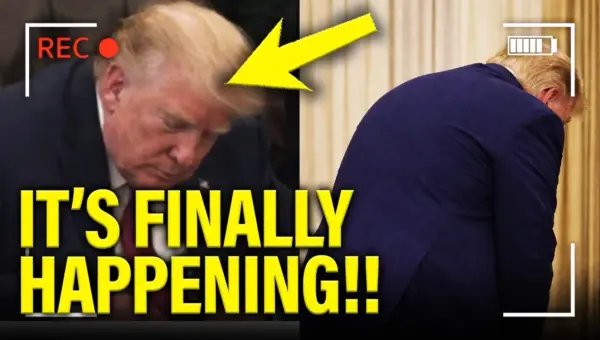
Concerns are growing over Donald Trump's cognitive and physical health, with erratic social media posts and public statements fueling speculation. These issues arise amidst rising global tensions, raising questions about his fitness for leadership. The transcript suggests a pattern of disinhibition and conspiracy-driven communication.
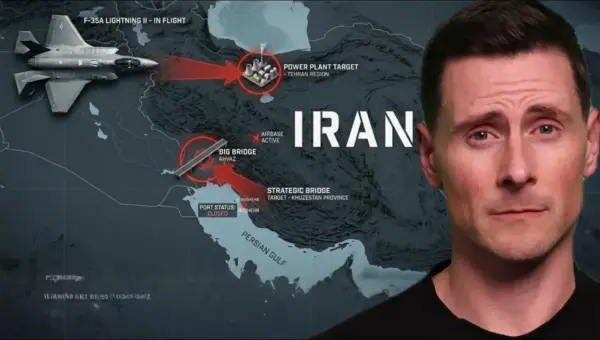
US Threatens Iran: “Knock Out Power Plants, Bridges”
The U.S. has threatened to strike Iran's power plants and bridges if diplomatic talks fail, following IRGC attacks on commercial shipping in the Strait of Hormuz. Iran remains defiant, asserting control over the vital waterway amidst an ongoing U.S. naval blockade.
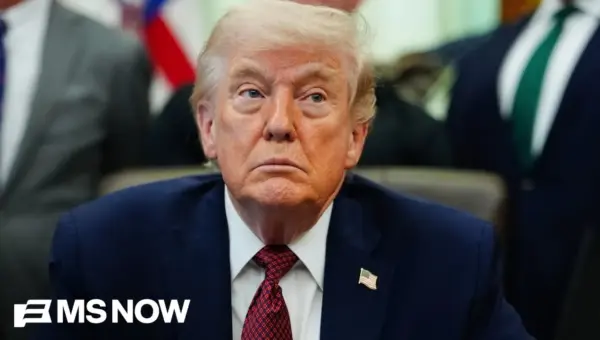
Trump Threatens Iran: “Knock Out Every Power Plant”
President Trump posted a stark warning on Truth Social, threatening to "knock out every single power plant and every single bridge in Iran" if a "fair and reasonable deal" is not accepted. Congressman Derek Tran called the threats "war crimes" and expressed deep skepticism about the administration's strategy and credibility, urging Congressional action.