Ex-President Radev Claims Bulgarian Election Win Amid Low Turnout
Former Bulgarian President Rumen Radev has claimed victory in snap parliamentary elections, citing a win over voter apathy. However, projections indicate low turnout, highlighting persistent distrust in Bulgarian politics. Questions remain about Radev's future policy direction, particularly concerning potential shifts in foreign policy and plans to tackle oligarchic influence.

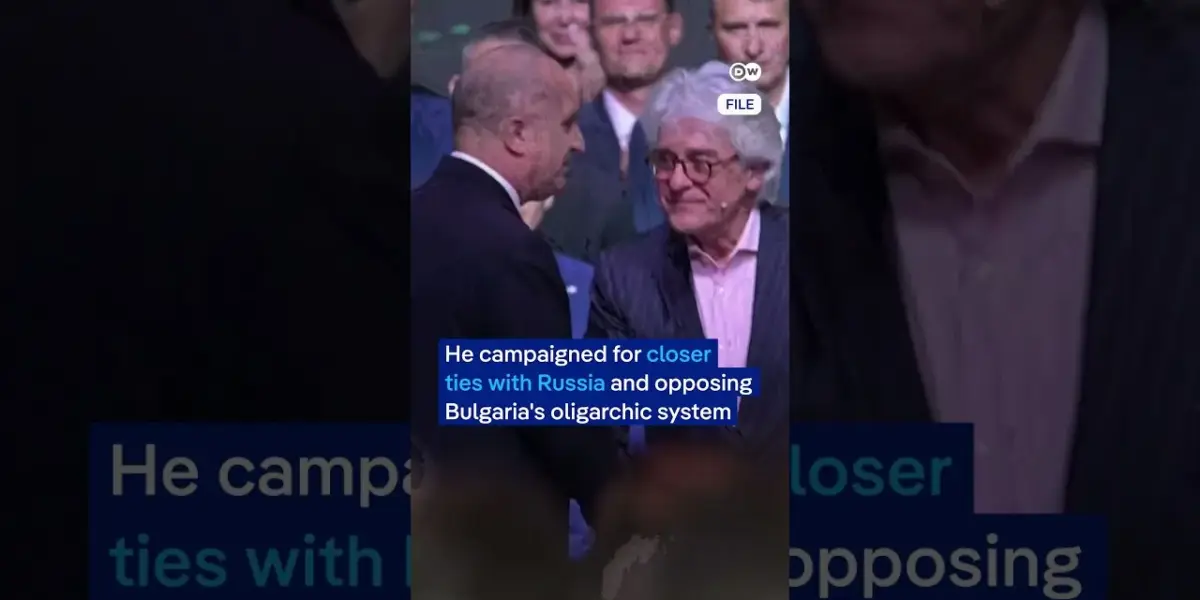
Radev Claims Victory in Bulgarian Parliamentary Elections
Former Bulgarian President Rumen Radev has claimed victory in the country’s snap parliamentary elections, according to initial projections. Speaking after casting his vote, Radev highlighted the active participation of voters, stating, “We defeated apathy.” However, he also acknowledged the persistent challenges facing Bulgarian politics.
“Distrust in Bulgarian politics is still high, and there is much work ahead,” Radev said. He described the election as just the first step toward restoring public trust and the social contract.
The election results, if confirmed, could signal a shift in Bulgaria’s political direction. Projections suggest Radev’s party has performed strongly, potentially positioning him to form a new government.
This outcome follows a period of political instability, with Bulgarians heading to the polls for the second time this year. The low voter turnout, despite Radev’s call to overcome apathy, remains a significant concern for the nation’s democratic health.
Questions Swirl Around Radev’s Future Policy Direction
Political analysts are closely watching to see whether Radev will steer Bulgaria towards a more pro-Russian stance or maintain the current pro-Western policy. This uncertainty stems from Radev’s campaign, which was criticized for lacking specific policy proposals.
“It is difficult to predict what can be expected from him,” noted one observer. “His election program and campaign generally did not express any concrete ideas about how he intends to govern or what specific measures he plans to take.”
A key challenge Radev faces is tackling oligarchic influence within the country. Many expected him to outline a clear strategy for combating this issue, particularly given its prevalence in Bulgarian society.
However, his campaign reportedly failed to name specific oligarchs or detail concrete plans for dismantling their power. This vagueness leaves many wondering about the practical steps his potential government would take to address deep-rooted corruption and economic control.
Low Turnout and Lingering Distrust
Despite the high stakes and the call for active participation, voter turnout remained a concern. Radev himself acknowledged this, noting that while voters had overcome apathy, significant distrust in the political system persists.
This sentiment suggests that rebuilding public faith in institutions will be a primary task for any incoming government. The low participation rate can be interpreted in various ways, including voter fatigue and a general disillusionment with the political class.
The election results are expected to be officially announced in the coming days. The coming weeks will be crucial as Radev and his party work to assemble a coalition and present a governing program.
The international community will be observing closely to understand Bulgaria’s future foreign policy orientation and its commitment to democratic reforms. The success of Radev’s potential government will likely depend on its ability to address public concerns about corruption and economic inequality effectively.
The focus now shifts to the formation of a new government. Radev’s ability to build a stable coalition and implement tangible reforms will be key.
Citizens will be looking for clear actions that demonstrate a commitment to transparency and accountability. The political future of Bulgaria hangs in the balance as it seeks to overcome internal divisions and external pressures.
The official results are anticipated shortly, which will confirm the extent of Radev’s victory and the composition of the new parliament. The next steps will involve intense negotiations to form a governing coalition. This process will reveal the true extent of Radev’s mandate and his capacity to enact meaningful change.
Source: Bulgaria's ex-president claims victory as projections point to parliamentary win | DW News (YouTube)

Related Articles

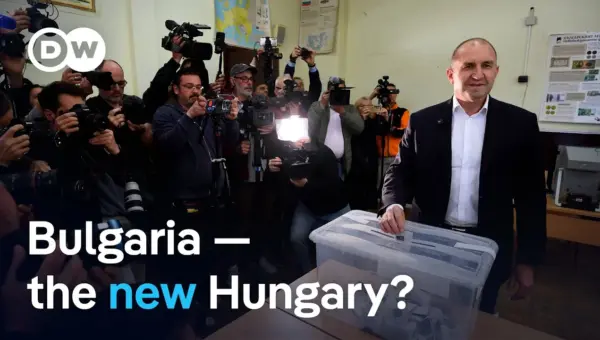
Bulgaria Votes: EU’s Poorest Nation Faces Moscow vs. Brussels Choice
Bulgarians are voting in a critical election that could redefine their country's ties with Russia and the West. With a pro-Russian former president leading the polls, concerns are rising in Brussels and NATO about the nation's geopolitical future and its susceptibility to Russian influence. Domestic issues like corruption and economic hardship also play a significant role in voters' decisions.
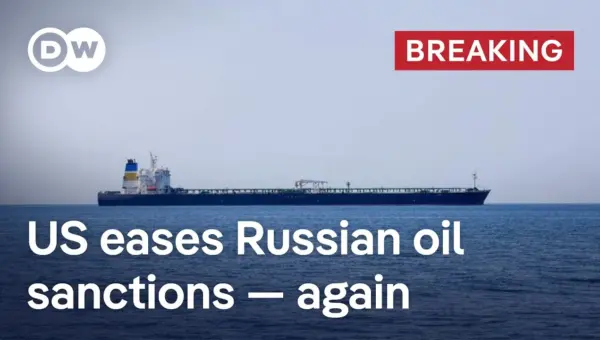
US Eases Russian Oil Sanctions, Sparking Outrage in Ukraine
The United States has extended a waiver allowing sanctioned Russian oil to flow, drawing sharp criticism from Ukraine and European allies. Kyiv views the move as a financial boon for Russia, potentially undermining efforts to end the war. The decision comes amid volatile global energy prices and raises questions about the effectiveness of international sanctions.

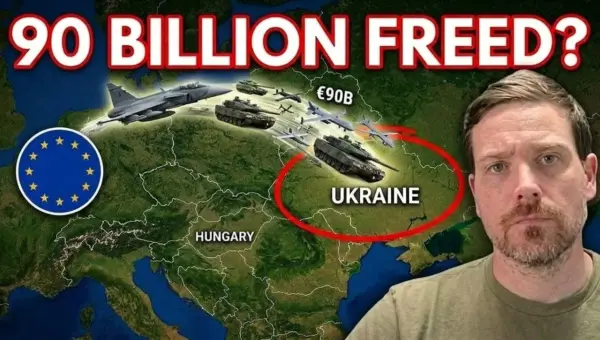
Hungary’s Election Shift Unlocks EU Aid for Ukraine
Hungary's recent election has removed a key obstacle, allowing the EU to release a crucial 90 billion euro loan to Ukraine. This shift is expected to accelerate aid and potentially speed up Ukraine's EU membership process, while also strengthening European security.