Pope Condemns Trump’s War, Draft Fears Rise
The Pope has publicly condemned Trump's potential war and the idea of a military draft, urging for peace. Meanwhile, Republicans face voter anger over the conflict, with many avoiding town halls. Concerns are rising about the war's origins, strategy, and the potential return of conscription, highlighting the importance of the upcoming elections.

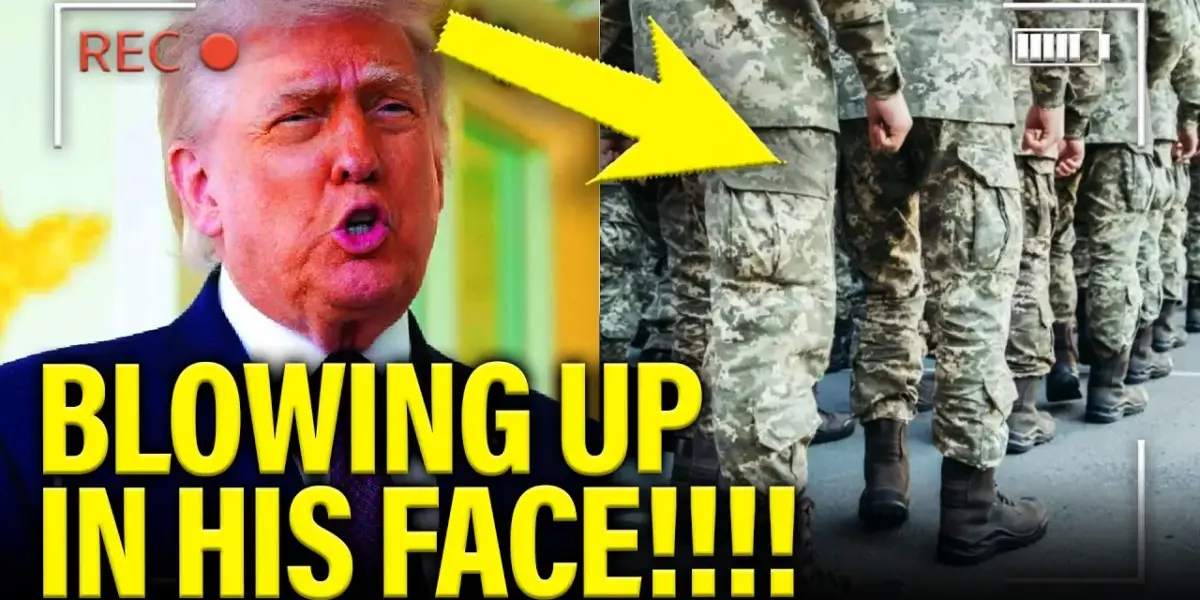
Pope Condemns Trump’s War, Draft Fears Rise
The Republican party faces a difficult political moment, with Donald Trump’s actions drawing sharp criticism from unexpected corners. Even the Pope has spoken out against a potential war and the idea of a military draft, calling for peace and rejecting violence. This comes as constituents express anger at town hall meetings, particularly concerning the escalating conflict and its implications.
Pope Francis has not shied away from confronting Trump, who has been criticized for his public image, sometimes appearing to equate himself with religious figures. The Pope’s message is clear: “Woe to those who manipulate religion and the very name of God for their own military, economic, and political gain.” This strong statement comes despite Trump’s past actions, including canceling funding for Catholic charities, in what some see as an attempt to control religious messaging.
Trump has even made controversial claims about the Pope’s appointment, suggesting it was due to his own influence. This is seen by many as blasphemous, as the Catholic Church believes the Holy Spirit chooses the Pope. The Pope’s stance is a significant rebuke to Trump and his allies, who have often used religious rhetoric to support their political agendas.
Republicans Face Voter Anger
Many Republicans are avoiding public town hall meetings, fearing backlash from voters upset about current policies. One representative, Mike Lawler, has been criticized for constantly defending Trump on national news, a strategy that may not serve him well in his suburban New York district.
The New York Times has described the current war as a “worst-case political scenario” for Republicans heading into the November elections. This is because the war is deeply unpopular, even among some Republican supporters. The lack of public forums like town halls highlights the party’s struggle to address voter concerns.
Questions About the War’s Origins and Strategy
There are serious questions about the war’s origins and Trump’s strategy. Some believe Prime Minister Netanyahu of Israel has pushed for this conflict, even stating he wanted it for years. Trump is accused of entering the war without a clear plan, possibly to undo previous agreements made by the Obama administration.
The war’s unpopularity is a major concern for Republicans, especially in swing districts. Democrats have seen success in special elections, suggesting voters are unhappy with the current political direction. This Republican congressman is vulnerable, and his seat could be lost if the war remains a central issue.
Public Concern Over War’s Impact
Americans across the political spectrum are worried about the war’s impact. Concerns include rising oil and fertilizer prices.
Democrats are also troubled by the accidental killing of children and the lack of accountability for such events. This situation presents a significant political challenge for the GOP.
The Specter of a Military Draft
A more concerning development is the potential for a military draft. Starting in December, all men between 18 and 25 will be automatically registered. If a draft is implemented, it could signal a serious escalation and a potential failure of the war, as the public may not support sending young people into combat.
The current all-volunteer military has made it easier for the U.S. to engage in conflicts without widespread public awareness. However, a draft would spread the burden of military service across the entire population. This could act as a powerful check on the government’s ability to wage prolonged wars, as seen during the Vietnam War.
Some argue that mandatory service, where more citizens have direct experience with military deployment, could prevent wars like the one with Iran. This perspective suggests that spreading the risk and sacrifice could make the nation more hesitant to engage in conflict.
Legal Doubts and the Importance of Voting
There is a legal theory that the Constitution does not explicitly allow for a draft, focusing instead on state militias. However, given the current Supreme Court’s approach to historical interpretation, relying on this legal avenue to prevent a draft may be unwise.
The Supreme Court has historically looked to the past to make decisions, sometimes overturning established rights. It is unlikely they would use a historical interpretation to restrict the commander-in-chief’s power to call up troops.
With legal challenges uncertain, the focus shifts to the upcoming elections. The transcript emphasizes that the most effective way to influence these decisions is by voting in November.
Source: Trump PANICS as Military DRAFT BLOWS UP in his FACE (YouTube)

Related Articles

Trump’s Iran Stance Sparks Outrage, Splits US Politics
President Trump's handling of Iran has sparked impeachment calls and highlighted how Donald Trump himself has become the central focus in American politics. This 'Trump Metric' means foreign policy is often viewed through a partisan lens, complicating national discourse and potentially hindering effective diplomacy.
Pope’s ‘Flame War’ Ignites Debate: Faith vs. Politics
A recent "flame war" between the Pope and President Trump has sparked debate on religious leaders' political involvement. While some see the Pope's words as a spiritual call, others view his follow-up tweets as direct political attacks. This raises questions about faith, politics, and the boundaries of religious authority.

GOP’s Trump Loyalty Now Fuels Their Own Election Woes
Republicans' decision to back Donald Trump on a controversial war has backfired, hurting their own election chances. Their fear of Trump leads them to sacrifice their independence and electoral prospects. This strategy risks alienating voters who are experiencing real economic pain and moral concerns.