Iran Nuclear Deal Talks Stall Amid Strait of Hormuz Tensions
Tensions are high over the Strait of Hormuz as conflicting reports emerge regarding Iran's nuclear program and potential peace talks. Despite claims of openness, Iran fired on a tanker, while the U.S. maintains sanctions. Experts are skeptical of a breakthrough, citing Iran's firm stance on enrichment and its regional influence.

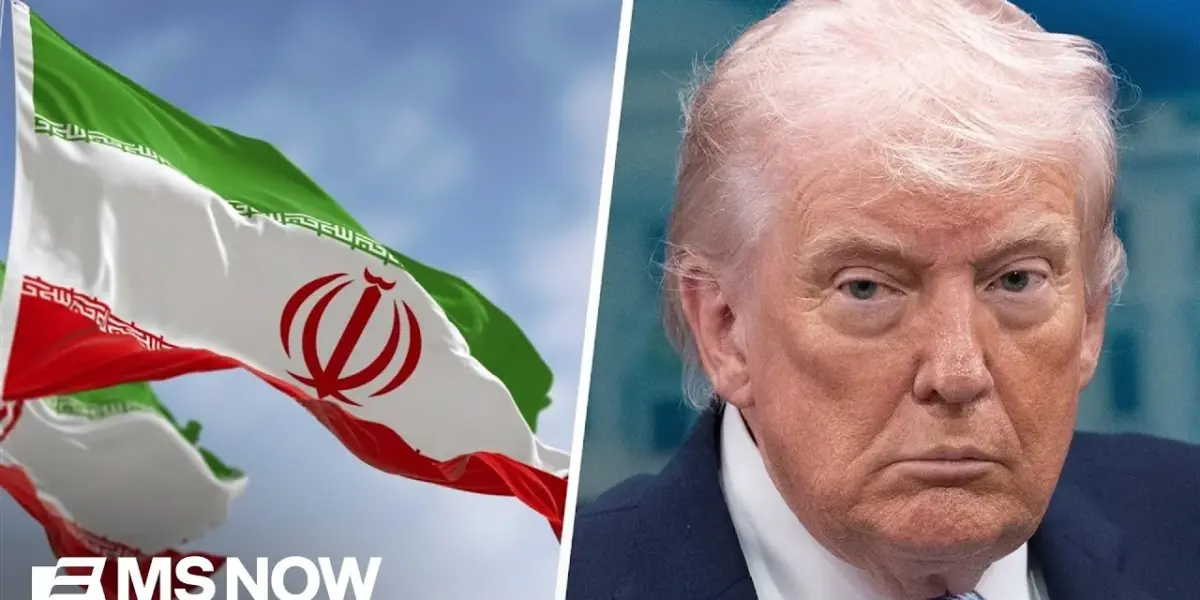
Strait of Hormuz Tensions Escalate Amid Nuclear Talks
Conflicting statements and actions surrounding the Strait of Hormuz have created confusion about the status of Iran’s nuclear program and potential negotiations. Iran recently claimed it had regained control of the vital waterway and fired on a British tanker, just a day after Iranian officials declared the strait fully open to commercial vessels. This comes as former President Donald Trump insists that sanctions on Iran will remain until a deal is reached to end the ongoing conflict.
Statements from both sides have painted a chaotic picture, with reports emerging of potential sanctions relief in exchange for Iran abandoning its uranium enrichment program. However, Iran has reportedly rejected these offers, viewing its right to enrich uranium as a matter of national security and pride. The situation remains unclear, with the Islamic Revolutionary Guard Corps (IRGC) reportedly maintaining control of the Strait of Hormuz and attempting to charge tolls on passing tankers.
Diplomatic Back-and-Forth Fuels Uncertainty
The diplomatic arena has been marked by a flurry of public statements and counter-statements, particularly on social media. Iran’s parliamentary speaker, Mohammed Ghalibov, who is also the lead negotiator, has characterized many of Donald Trump’s public claims as false. This public relations battle highlights the difficulty in discerning the true state of negotiations, even as the IRGC continues to exert control over the Strait of Hormuz.
Adding to the complexity, The Wall Street Journal has reported that the Pentagon is preparing plans to board and seize Iranian tankers in international waters. Such actions would likely be viewed by Iran as an act of war, further complicating any potential diplomatic breakthroughs. The current situation suggests that a resolution to the conflict and the nuclear issue remains distant.
Iran’s Nuclear Ambitions Remain a Sticking Point
Reports from The New York Times suggest that the U.S. and Iran are close to finalizing a memorandum outlining a broad framework for a peace deal, potentially including a 60-day period for further negotiations. However, experts express skepticism about Iran agreeing to any deal that would require it to abandon its nuclear program.
Iran has consistently viewed its nuclear enrichment capabilities as essential for its national security and has invested decades in developing this program. Many analysts believe that the right to enrich uranium is a non-negotiable red line for Iran. The current discussions are seen by some as merely an extension of a ceasefire, with Iran aiming to buy time while maintaining its strategic position.
“The right to enrich was a red line then, and it’s a red line now,” stated one analyst, referencing past negotiations.
Questions Surround Negotiating Teams and Objectives
Concerns have been raised about the effectiveness of the U.S. negotiating team. Some observers point to past diplomatic efforts and the perceived lack of experience among current negotiators. The stated objectives of the recent conflict, including the destruction of Iran’s ballistic missile and nuclear programs and the cessation of its support for regional militias, appear far from being met.
Iran’s support for groups like Hamas and Hezbollah is seen as integral to its regional defense strategy and a means of projecting power across the Middle East. Giving up this support is considered by many to be directly tied to Iran’s sense of national sovereignty and security, making it a difficult concession in any negotiation.
Skepticism Over a Deal Better Than the JCPOA
There is significant doubt that any new deal brokered by the Trump administration would be an improvement over the 2015 Joint Comprehensive Plan of Action (JCPOA). The JCPOA, which placed limits on Iran’s nuclear program in exchange for sanctions relief, was seen by some negotiators as the only viable agreement to prevent war at the time.
The current Iranian leadership is perceived by some as more hardline and militaristic than their predecessors, posing additional challenges for U.S. negotiators. Despite pronouncements of regime change and a more reasonable Iranian government, reports suggest the opposite may be true, with the IRGC holding significant influence.
Economic Hardship and Propaganda in Iran
While the Iranian regime stages public displays of strength, including military parades and media invitations, the Iranian people face severe economic hardship. Reports indicate widespread power outages, water shortages, and rampant inflation, creating a stark contrast between the government’s public image and the reality on the ground.
Young protesters are reportedly at risk of expedited executions, highlighting the repressive nature of the regime. This internal situation, coupled with external pressures, creates a complex environment for any diplomatic engagement.
U.S. Strategy and Iranian Influence Operations
The U.S. strategy appears to be influenced by its approach to Venezuela, aiming to cripple Iran’s oil revenues through naval blockades and hoping for the emergence of a compliant leadership. However, there is little indication that such a leader will emerge in Iran.
The Iranian government has been adept at using social media and propaganda to shape narratives, particularly for American audiences. Experts warn that the U.S. may be susceptible to psychological manipulation by the Iranian regime, which has a history of employing sophisticated digital influence efforts. The IRGC’s increasing control within Iran further suggests a more hardline stance in future dealings.
A Stalemate in Diplomatic Efforts
The current situation is characterized by a stalemate, with both the U.S. and Iranian governments accused of disseminating misleading information. The Strait of Hormuz remains a point of contention, with Iran continuing to exert control and charge tolls, potentially leading to violations of international law.
The effectiveness of U.S. actions, such as blockades, is questioned, with Iran possessing the means to harass shipping through less sophisticated but still formidable methods. The deep divisions between the negotiating parties suggest that a resolution remains elusive in the near future.
Source: ‘Gulfs apart’: What does a new deal on Iran nuclear enrichment look like? (YouTube)

Related Articles

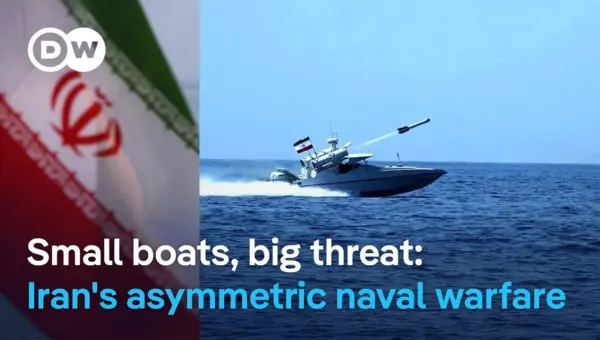
Iran’s ‘Mosquito Fleet’ Still Threatens Global Shipping
Iran's Islamic Revolutionary Guard Corps (IRGC) continues to threaten global shipping in the Strait of Hormuz with its 'mosquito fleet' of fast boats and drone vessels. Despite US claims of crippling Iran's navy, these asymmetric tactics, including the potential use of advanced mines, pose a persistent danger to maritime traffic and global energy supplies.

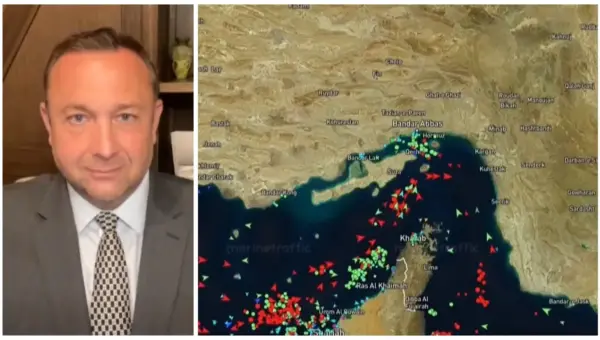
Iran’s Strait of Hormuz Gambit: Power Play or Desperate Move?
Iran's fluctuating stance on the Strait of Hormuz suggests a strategic bid for negotiation leverage rather than internal conflict. Analysts believe Iran is using its ability to disrupt shipping as a bargaining chip, while the US considers options like port blockades and targeted strikes. The coming days are critical as a deadline looms, potentially determining the path towards diplomacy or renewed military action.
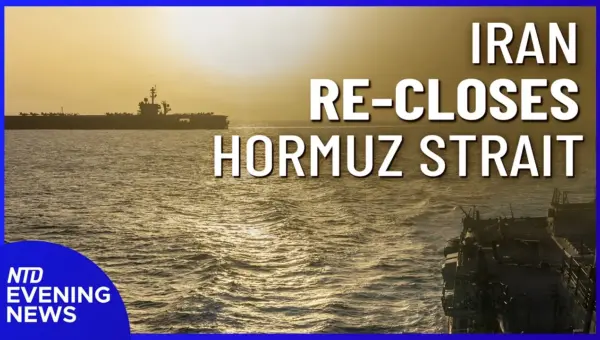
Iran Shuts Strait Again: A Geopolitical Chess Match
Iran has re-closed the Strait of Hormuz hours after announcing its reopening, sparking geopolitical concerns. Analysts suggest this may be a strategic move for negotiations. Meanwhile, President Trump is accelerating research into psychedelic treatments for mental illness, and the nation remembers the 43rd anniversary of the Beirut embassy bombing.