USAID Whistleblower Details Devastating Impact of Trump-Era Cuts
A former USAID official reveals that budget cuts and dismantling efforts during the Trump administration led to over 750,000 preventable deaths, many among children. Nicholas Enrich, author of "Into the Wood Chipper," described the agency's leadership as "clueless buffoons" whose incompetence destroyed vital global health, education, and democracy programs. The cuts also left pro-democracy groups in countries like Iran more vulnerable.


Whistleblower Sounds Alarm on USAID Cuts, Citing Hundreds of Thousands of Deaths
Former USAID official Nicholas Enrich has revealed the devastating consequences of budget cuts and dismantling efforts directed at the U.S. Agency for International Development during the Trump administration. Enrich, a former director of policy programs and planning in USAID’s Bureau of Global Health, describes the agency’s weakening as a direct cause of preventable deaths.
Researchers at Boston University estimate that the reduction in USAID’s work has led to over 750,000 deaths since its outreach was significantly curtailed. Many of these lost lives were children, highlighting the critical nature of the agency’s global health and development programs.
“Clueless Buffoons”: Incompetence Fueled Agency’s Decline
In his new book, “Into the Wood Chipper: A Whistleblower’s Account of How the Trump Administration Shredded USAID,” Enrich details what he calls a severe lack of understanding and sheer incompetence among political appointees tasked with leading the agency. He states that these individuals were not only uninformed about global health and international development but also lacked basic knowledge of how government agencies operate or how to manage people and projects effectively. This inexperience, he argues, led to inevitable failures when they attempted to dismantle programs.
“I think that people might underestimate the level of sheer incompetence of the individuals, the doge and political appointees from the Trump administration that came into U.S. Aid,” Enrich stated. “These are people who were not just uninformed about global health or about international development. These were people that had no idea how government works or even how to manage people or projects.”
When problems arose from these ill-equipped decisions, Enrich explained, the individuals in charge were unable to resolve them and often made situations worse. He characterized the outcome as no accident, but rather the predictable result of hollowing out an agency’s expertise and replacing it with unqualified personnel. This approach, he believes, directly harmed the agency’s ability to function and deliver vital aid.
Human Cost of Shuttered Clinics and Frozen Aid
The impact of these cuts is starkly illustrated by individual stories of tragedy. Enrich recounted instances of pregnant women who died because they could not access emergency childbirth services.
The clinics they relied on, which bore the USAID logo, were closed due to the funding freezes. This meant that when women arrived seeking critical medical care, the services were no longer available, leading to fatal outcomes.
These personal tragedies highlight the breakdown in essential services that USAID programs were designed to provide and sustain. The agency’s work spanned numerous critical areas beyond global health, including education and democracy promotion. Enrich noted that many of these vital functions were halted when the agency was dismantled.
Broader Impact on Democracy and Global Stability
The damage extended beyond immediate health crises. Enrich pointed to USAID’s support for pro-democracy groups in countries like Iran.
These organizations, which worked to promote democratic ideals and challenge authoritarian regimes, were left vulnerable when USAID’s support was withdrawn. The administration’s actions, therefore, indirectly increased the risks faced by those advocating for freedom and human rights.
Enrich expressed concern that the same pattern of unqualified leadership and program disruption might be occurring in other government agencies. He cited examples like the State Department and the FDA, suggesting that a lack of competent management could be hindering their ability to operate effectively. This raises broader questions about the administration’s approach to governance and its impact on critical public services both domestically and abroad.
What Comes Next for International Development Aid
The revelations from Nicholas Enrich serve as a critical warning about the fragility of international aid organizations and the profound human cost of politically motivated dismantling. As the world faces ongoing global health challenges and demands for democratic support, the integrity and effectiveness of agencies like USAID remain paramount.
The upcoming years will likely see continued scrutiny of how U.S. foreign aid is managed and whether lessons have been learned from this period of significant disruption. The future of critical global initiatives hinges on restoring expertise and a commitment to the agency’s core mission.
Source: ‘Clueless buffoons’: USAID whistleblower reveals true damage DOGE did to critical agency (YouTube)

Related Articles


US Declared Iran Victory Too Soon, Congress Lacks Oversight
Congressman George Latimer argues the Trump administration declared victory over Iran too soon, highlighting the limits of military action and the need for strategic planning. He also criticizes the lack of Congressional oversight and the President's public negotiation style. This situation underscores the importance of balanced foreign policy.

Official Brags About Killing 300,000 High-Paying Jobs
A top Trump economic advisor bragged about eliminating 300,000 high-paying government jobs. This action is criticized for its impact on workers and the economy. The video questions the celebration of such job losses.
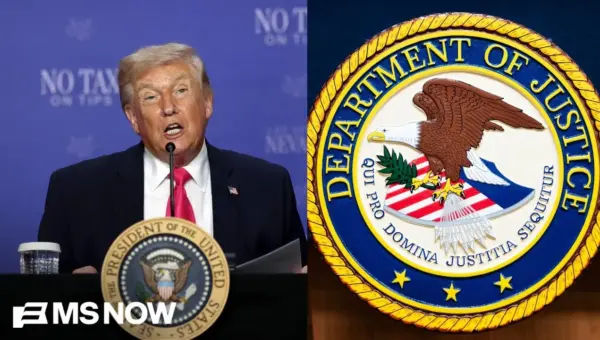
DOJ Prosecutor Reassigned Amid Investigation into Trump Critic
A top prosecutor was reassigned from an investigation into former CIA Director John Brennan after reportedly stating there was insufficient evidence for charges. Legal experts suggest this move reflects a pattern of political pressure within the Department of Justice. Brennan himself expressed deep concern over the direction of the country and the message sent to public servants.