Iran Shuts Strait Again: A Geopolitical Chess Match
Iran has re-closed the Strait of Hormuz hours after announcing its reopening, sparking geopolitical concerns. Analysts suggest this may be a strategic move for negotiations. Meanwhile, President Trump is accelerating research into psychedelic treatments for mental illness, and the nation remembers the 43rd anniversary of the Beirut embassy bombing.

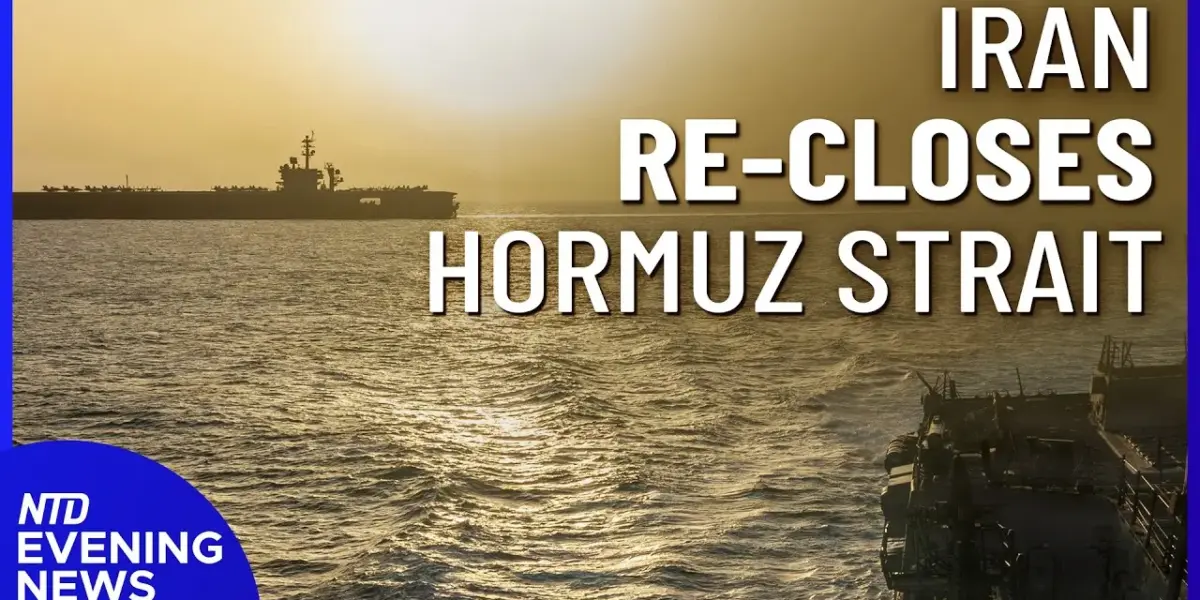
Iran Re-closes Strait of Hormuz, Sparking Geopolitical Tensions
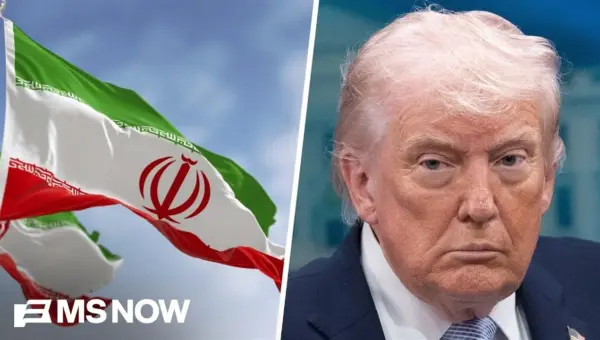
In a swift and dramatic reversal, Iran has once again closed the Strait of Hormuz to commercial shipping. This move comes just hours after President Trump and Iran’s foreign minister had announced its reopening. International experts suggest this sudden change may be a strategic maneuver by Iran to gain leverage in upcoming negotiations or a sign of internal power struggles.
A History of Blockades and Bargaining
The Strait of Hormuz is a critical chokepoint for global oil transport, making its control a powerful tool. Iran has a history of threatening or closing the strait to pressure the United States and its allies. This latest action mirrors past tactics where Iran has used the waterway as a bargaining chip, especially when facing international sanctions or diplomatic deadlines.
President Trump has publicly stated that Iran cannot blackmail the U.S. and has previously announced agreements for the strait to remain open. However, Iran’s Joint Military Command insists restrictions will remain as long as the U.S. blocks Iranian ports. This creates a complex situation where Iran appears to be responding to existing U.S. actions while simultaneously escalating tensions.
Internal Disagreements or Strategic Ploy?
International affairs analyst Gerard Fiti suggests that Iran’s rapid back-and-forth on reopening the strait might not be a sign of internal disagreement but rather a calculated move. He believes Iran is trying to position itself favorably before a crucial deadline set by President Trump. The goal, according to Fiti, is to secure a better negotiating stance rather than a genuine shift in policy.
Fiti also notes that even a single incident, like Iranian gunboats firing on vessels, can significantly disrupt shipping. Increased risks and insurance premiums make passage difficult and costly for cargo ships and oil tankers. This means Iran can maintain considerable influence over the strait with relatively minimal direct action.
Strength or Desperation?
When asked if the closure signals strength or desperation, Fiti described it as Iran leveraging its remaining power. He pointed out that Iran’s regime, which he characterized as a “death cult” known for exporting terror, places little value on human life or the flow of traffic through the strait. Their primary focus remains on fighting the U.S. and maintaining power by appearing strong to their own people.
The U.S. strategy, as discussed, involves enforcing blockades on Iranian ports and potentially resuming targeted strikes on maritime facilities. These actions aim to hinder Iran’s ability to rearm, export oil, and secure necessary dollar assets to stay in power. President Trump’s optimism about ongoing negotiations is tempered by the reality of Iran’s complex political landscape and potential for bad-faith engagement.
A Nation’s Struggle: Mental Health and Psychedelics
Beyond geopolitical concerns, President Trump has signed an executive order to speed up research into psychedelic-based treatments for serious mental illnesses. This initiative aims to provide more options for individuals, particularly veterans, who are struggling with mental health challenges. The order highlights the significant number of American adults suffering from mental illness and the potential of psychedelic drugs for those who haven’t responded to standard therapies.
The U.S. will dedicate $50 million to federal research into ibogaine, a plant-based psychoactive compound. This push for research seeks to remove legal barriers that have historically hindered scientific study of these substances. The goal is to reclassify these largely illegal drugs for medical use after successful clinical trials, offering hope to millions.
Remembering Tragedy: The Beirut Embassy Bombing
The broadcast also marked the 43rd anniversary of the deadliest terrorist attack on a U.S. embassy in history. In 1983, a truck bomb detonated near the U.S. embassy in Beirut, Lebanon, killing 63 people, including 17 Americans. The Iran-backed Islamic Jihad terrorist group, which later became known as Hezbollah, claimed responsibility.
A retired diplomatic security service agent noted that the attack was unexpected due to the radical nature of the suicide bomber. The lack of intelligence anticipated such a suicide-driven assault. This event, along with the subsequent bombing of the U.S. Marine headquarters six months later, highlights the persistent threat of terrorism and the complex history of U.S.-Iran relations.
Capitol Hill Debates: Surveillance, Funding, and Immigration
On Capitol Hill, lawmakers grappled with critical issues including a short-term extension of Section 702 of FISA, a surveillance law. Concerns remain about privacy protections for Americans, with negotiations underway for reforms. The House Speaker is pushing for a funding bill for Border Patrol and ICE, facing resistance from some Republicans uncomfortable with zero funding for immigration enforcement.
Hearings also addressed the human toll of sanctuary policies, with testimonies from mothers who lost loved ones to crimes committed by undocumented immigrants. The reopening of the Victims of Immigration Crime Engagement (VOICE) Office aims to provide support and information to such families. Meanwhile, debates continue over ICE funding and the broader implications of immigration enforcement policies.
NBA Playoffs Begin Amidst Injuries
The NBA playoffs have commenced, though the Golden State Warriors are notably absent. Several series have already begun, with early games showing competitive matchups. However, injuries have impacted some teams, including the Lakers, raising questions about their playoff prospects despite having home-court advantage.
Why This Matters
The repeated closure of the Strait of Hormuz by Iran highlights the ongoing fragility of global energy markets and the persistent geopolitical tensions in the Middle East. Iran’s actions serve as a clear reminder of how regional conflicts can have far-reaching economic consequences worldwide. Simultaneously, the U.S. administration’s focus on mental health research, particularly with psychedelic treatments, signals a potential shift in how serious mental illnesses are addressed.
This could lead to new therapeutic avenues for millions struggling with conditions that traditional treatments have not fully resolved. The anniversary of the Beirut embassy bombing also is a somber reminder of the enduring threat of terrorism and the complex, often violent, history shaping international relations.
Future Outlook
The situation in the Strait of Hormuz will likely continue to be a closely watched development. The effectiveness of U.S. sanctions and blockades, coupled with Iran’s response, will determine the immediate future of regional stability.
On the domestic front, the progress of psychedelic research could enable significant advancements in mental healthcare. Capitol Hill’s ongoing debates on surveillance and immigration funding will shape policy and impact national security and civil liberties for years to come.
The next 48 hours are critical for de-escalation in the Strait of Hormuz, with Pakistan playing a key role in mediation. Failure to reach an agreement could lead to a return to military conflict.
Source: Iran Re-closes Hormuz Strait; Trump Pushes Mental Illness Drug Research | NTD Evening News (Apr. 18) (YouTube)

Related Articles


Trump Fast-Tracks Psychedelic Drugs for Veteran Mental Health
President Trump's new executive order aims to speed up FDA approval for psychedelic drugs, offering new hope for veterans struggling with PTSD and other mental health issues. Marine Corps veteran Juliana Mercer hailed the move as a significant step forward, emphasizing the urgent need for effective treatments beyond traditional SSRIs.
Trump Signals Shift on Iran War, Focuses on Psychedelics
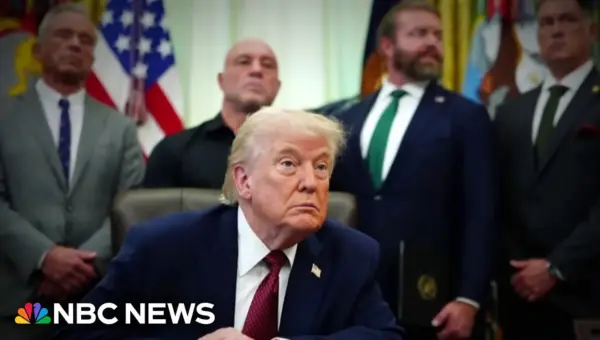
President Trump signed an executive order easing research on psychedelics alongside Joe Rogan, while also issuing a warning about potential military action against Iran if a deal isn't reached by Wednesday. The administration's message on Iran has shifted, causing some Republicans to question strategic objectives amidst speculation of broader military actions.
Iran Nuclear Deal Talks Stall Amid Strait of Hormuz Tensions
Tensions are high over the Strait of Hormuz as conflicting reports emerge regarding Iran's nuclear program and potential peace talks. Despite claims of openness, Iran fired on a tanker, while the U.S. maintains sanctions. Experts are skeptical of a breakthrough, citing Iran's firm stance on enrichment and its regional influence.