US Oil Waiver Boosts Putin’s War Chest, Critics Say
The United States has issued a one-month waiver allowing the purchase of sanctioned Russian oil at sea, a move that has significantly boosted Russia's oil revenues. Critics argue this decision undermines international sanctions and aids Moscow's war efforts. Experts are now watching to see if these waivers will be extended and how Europe will maintain pressure on Russia.

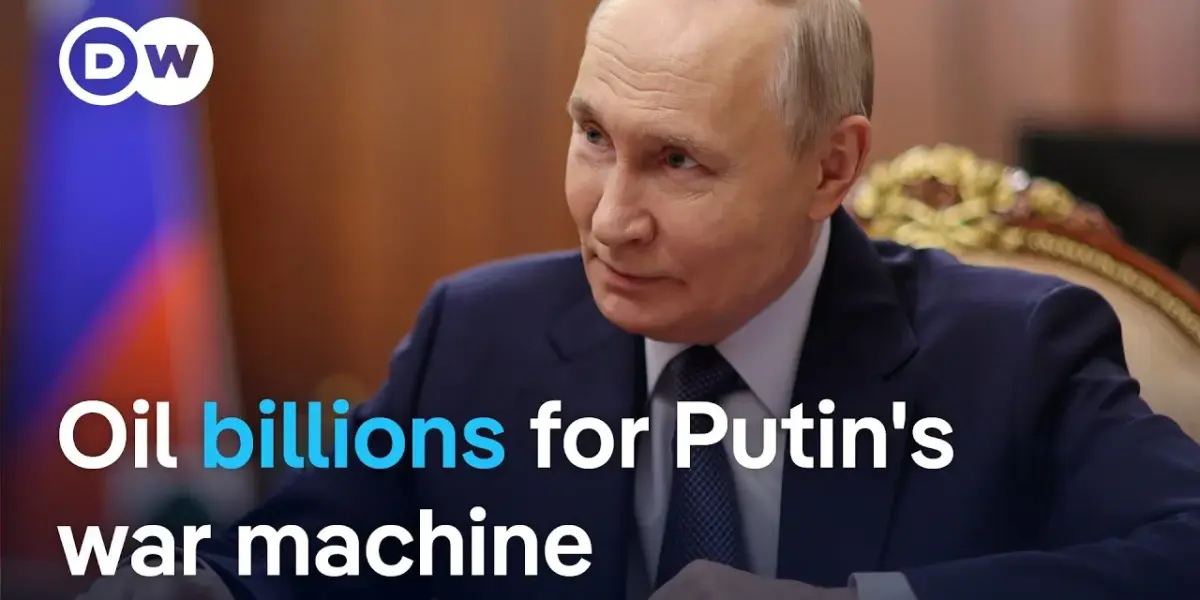
US Eases Sanctions on Russian Oil, Sparking Criticism
The United States has granted a temporary waiver allowing countries to purchase sanctioned Russian oil currently at sea. This move, set to last for one month, comes as nations grapple with rising oil prices, partly blamed on the conflict in Iran.
Russian officials state the waiver could permit the sale of up to 200 million barrels of Russian oil on international markets. However, the decision has drawn sharp criticism from opposition lawmakers in the US, who accuse the administration of being too lenient on Moscow while Russia continues its war in Ukraine.
Russia Sees Major Revenue Jump
Experts suggest that Vladimir Putin and Russia have been significant beneficiaries of the ongoing global energy situation. High oil prices and a general easing of sanctions enforcement have boosted Russian revenues. In February, Russia earned nearly $10 billion from oil exports.
By March, this figure had jumped to about $19 billion, effectively doubling its monthly oil income. This dramatic increase is linked to higher global oil prices and the disappearance of discounts previously offered on Russian oil.
“Russia and Vladimir Putin have been the biggest beneficiaries of this all the way through because of the distraction of the US and because of the high oil prices and the easing of sanctions on Russia generally. So, Russia comes out of this as the big winner.”
Key Factors Driving Russian Oil Revenue
Several factors are contributing to Russia’s increased oil earnings. Firstly, global oil prices have risen sharply, partly due to disruptions in the Strait of Hormuz. Secondly, there’s a perception of lax enforcement of US sanctions against Russia, leading to a general easing of these measures.
India, in particular, has been buying more Russian oil to compensate for supplies from the Persian Gulf. These elements combined have erased the previous discounts Russia offered on its oil, with some buyers now even paying a premium.
In addition to higher prices and reduced discounts, Russian oil exports by volume also increased in March compared to February. While Russian export terminals have faced disruptions from Ukrainian attacks, overall export volumes showed improvement.
The waiver specifically applies to about 100 million barrels of Russian oil already at sea, representing around $10 billion in potential revenue. While significant for Russia’s treasury, this volume is not seen as a major factor in the global oil market.
Waiver Signals Shift in US Sanctions Policy
Perhaps more significant than the volume of oil involved is what the waiver signals about the US approach to sanctions. While this specific waiver is for only one month, experts anticipate that the US may continue to grant such waivers.
This suggests a potential future where Russian oil could be sold more freely on the international market. The decision follows a rapid reversal in US policy, with Treasury Secretary Janet Yellen having previously stated that such a waiver would not be issued.
This change in direction has been described as a sign of confused decision-making within the US administration. The conflict in Iran has clearly impacted US policy towards Russia and the Russia-Ukraine conflict, leading to mixed messages. Critics argue that the US is now paying less attention to Russia and adopting a softer stance.
Impact on European Energy Security
The US waiver does not help Europe’s efforts to reduce its reliance on Russian energy. While Europe’s ban on Russian oil entering the continent forces Russia to sell to farther destinations like India and China, this waiver could lessen the financial pressure on Russia.
It also undermines a European policy that aimed to prevent Russian crude from being refined and shipped back to Europe as products. The waiver could reduce or eliminate the discount on Russian oil sold to these alternative markets.
“This is the sort of measure that I would have always and of course today um recommend against… It’s a measure that undermines the consensus in the transatlantic community.”
Urgent Steps for European Governments
Experts advise European governments to maintain pressure on Russia through sanctions, regardless of this US measure. While cooperation with the US on this specific issue is difficult, the EU possesses other sanctions tools.
Stepping back from existing sanctions would send a detrimental signal. Therefore, maintaining these measures, even under the stress of the current oil market, is strongly recommended.
Concerns Over Sanctions Regime and Enforcement
The US waiver is viewed as a concern for the future of sanctions against Moscow. While not seen as torpedoing the entire sanctions framework, it certainly blunts its effectiveness.
Experts emphasize that the waiver should not be extended and ideally should be revoked quickly to restore confidence in the sanctions regime. European Union and NATO countries have worked diligently to enforce sanctions, detaining numerous Russian vessels involved in shadow shipping operations.
However, significant work remains on the technical side to ensure robust enforcement. Measures like the US waiver, allowing sanctioned Russian crude oil on the high seas to pass without concern, are considered a national security risk.
This move is seen as providing Russia with a temporary financial windfall, potentially aiding its war efforts in Ukraine. Critics argue this policy undermines transatlantic security for both Ukraine and the broader European community.
Looking Ahead
The focus now shifts to whether the US will continue to issue waivers for Russian oil and how Europe will respond to maintain pressure on Russia. The effectiveness of the global sanctions regime against Russia hinges on consistent enforcement and a unified transatlantic approach.
Source: Why Vladimir Putin is the real winner of the Iran war | DW News (YouTube)

Related Articles

Ukraine Strikes Russian Oil Hubs, Shifting War’s Economic Front
Ukraine's targeted strikes on Russian oil and gas infrastructure are creating an "oil apocalypse," crippling Moscow's war funding. Momentum has shifted, with Russia facing mounting losses and diplomatic isolation. European nations are urged to bolster Ukraine's long-range strike capabilities to sustain this economic pressure.

Russia’s War Economy Nears Collapse
Russia's economy is trapped by excessive military spending, mirroring Nazi Germany's "total war" state. Hidden costs and declining revenues are eroding its productivity, leading experts to warn of potential collapse. Instead of dramatic bank runs, expect a slow degradation of the economic system.


Ukraine Deploys Robot Ground Force to Capture Position
Ukraine has successfully captured a Russian position using an exclusively unmanned ground force, marking a first in the war. President Zelensky highlighted the operation, where ground robots and drones took the position without any Ukrainian casualties. This technological advancement signals a potential shift in battlefield dynamics.