Russia’s War Economy Nears Collapse
Russia's economy is trapped by excessive military spending, mirroring Nazi Germany's "total war" state. Hidden costs and declining revenues are eroding its productivity, leading experts to warn of potential collapse. Instead of dramatic bank runs, expect a slow degradation of the economic system.

Russia’s War Economy Nears Collapse
Russia’s economy is facing a serious crisis, driven by its heavy spending on the war in Ukraine. This situation is eerily similar to Nazi Germany’s economy during World War II.
Germany, facing a prolonged conflict, was forced to spend an ever-increasing portion of its national income on the military. By the end of the war, nearly the entire German economy was dedicated to military production, a state they called “total war.” This extreme focus on military needs crippled civilian industries and made the economy unsustainable.
The core problem with such high military spending, especially during active conflict, is that resources are invested in items that will likely be destroyed. Instead of building productive assets that help an economy grow, money is spent on destruction.
This leads to economic shrinkage rather than growth. While official GDP numbers might look stable, if they are solely based on military spending, the economy is actually shrinking.
The Economic Trap
Russia now finds itself in a similar trap. Excessive military spending is overshadowing civilian sectors, with military factories even pushing traditional businesses out of the market. This means the military economy is taking up a larger and larger share of Russia’s overall economic activity.
At the same time, Ukraine has been effectively targeting Russia’s oil and gas export terminals, reducing the country’s income. This combination of overspending and reduced income puts Russia in a very dangerous economic position.
Russia wants people to believe its economic situation is too complex to understand. However, the basic logic is simple: spending money on things that get destroyed while earning less money leads to economic decline. This unproductive military spending has become a necessity for Russia’s current economy.
It keeps money flowing, people employed, and prevents widespread discontent with the government. But this reliance on unproductive spending will eventually lead to a reckoning.
Signs of Trouble Emerge
A recent event in Russia highlighted the public’s awareness of these economic issues. In early April, a technical glitch caused by efforts to shut down VPN services led to a brief bank shutdown. During this period, people could only pay with cash.
The immediate fear among Russians was a bank run, with many believing the economy had finally collapsed and the government was preventing withdrawals. While the glitch was quickly fixed, it showed how fragile public confidence is.
The Russian government is aware of the potential for unrest and has increased information control. Services like VPNs and messaging apps are being blocked to limit communication and organization among citizens.
Both the public and the government recognize that something is wrong with the economy, even if the average person doesn’t grasp the full economic details. It feels like everyone is waiting for a trigger event that will push the country into a full economic and possibly political crisis.
Expert Warnings and Debt Concerns
Economic experts, both inside and outside Russia, are warning that the banking system is on the verge of collapse. These experts, who risk their jobs or worse by speaking out, realize the severity of the situation. Data supports their concerns: approximately 11% of Russia’s corporate debt, totaling about $131 billion, is considered “problem debt.” This figure is above the 10% threshold that signals systemic risk in a banking system.
The question is whether these problems will lead to traditional bank runs. Russia has tools to prevent such dramatic collapses, like withdrawal limits and capital controls.
They might also offer state-backed guarantees to calm public fears. While these measures can make a crisis less visible, they do not eliminate the underlying problems.
The “Extend and Pretend” Strategy
Instead of a sudden collapse, Russia is likely to employ an “extend and pretend” strategy. This approach involves delaying inevitable problems, similar to how Japan handled its economic issues in the 1990s.
Japan’s economy became stable but stagnant after restructuring bad debt and propping up failing companies and banks. This lack of growth, while avoiding immediate collapse, left Japan behind other booming economies.
For Russia, this strategy is even more challenging because they are simultaneously fighting a costly war that destroys a significant portion of their GDP annually. Japan in the 90s did not have a massive war consuming its resources. Russia faces a double blow: a stagnant economy due to bad debt and the constant drain of war spending, all while their traditional income sources are being attacked.
Hidden Military Spending and Economic Erosion
Estimating Russia’s true military spending is difficult because the government hides many costs. The official figure is around 7-7.5% of GDP, which is high but not catastrophic compared to historical examples.
However, this number doesn’t include significant capital expenditures funded by Russian banks. Banks are reportedly forced to give loans for building new military factories and facilities, which are unlikely to be paid off if the war ends.
When these loans default, the banks will be responsible for the debt. The Russian government will likely have to bail out these banks, effectively covering the hidden military spending.
Additional military costs, like soldier bonuses, are often paid at the regional level, further masking the true national expenditure. If all these hidden costs were accounted for, Russia’s true military spending could be as high as 15-20% of its GDP.
A System in Degradation
This high level of military spending, combined with declining oil and gas revenues and depleted national savings, points to a severe economic outlook. The Russian economy is not just shrinking; it is becoming less productive with each cycle. The government’s efforts to hide these issues and maintain an appearance of strength are aimed at discouraging international support for Ukraine.
Instead of looking for dramatic signals like bank runs, the real indicator of Russia’s economic crisis is a continuous degradation of its economic system. The longer the war continues, the more resources are diverted to the military, and the less productive the economy becomes. This process erodes Russia’s economic future, weakening both its economy and its military over time.
The Long Road Ahead
Nazi Germany, in its total war economy, lost the war and received aid for reconstruction through the Marshall Plan. The question for Russia is whether it will receive similar support after the conflict. Without such aid, Russia risks becoming a shell of its former self, with its economy progressively weakening with each cycle of war spending.
As Russia’s economy weakens, so does its military capability, potentially increasing Ukraine’s chances of success. However, the end of the conflict does not appear to be imminent. The economic future for Russia appears bleak, marked by a continually degrading system and the long-term consequences of its wartime economic choices.
Source: Russia's Banks are Now Preparing for Sudden Collapse (YouTube)

Related Articles
US Oil Waiver Boosts Putin’s War Chest, Critics Say
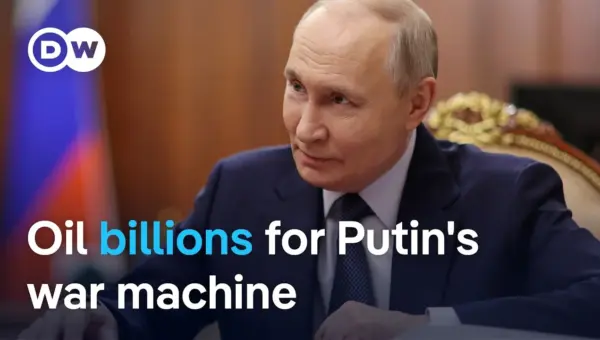
The United States has issued a one-month waiver allowing the purchase of sanctioned Russian oil at sea, a move that has significantly boosted Russia's oil revenues. Critics argue this decision undermines international sanctions and aids Moscow's war efforts. Experts are now watching to see if these waivers will be extended and how Europe will maintain pressure on Russia.

Ukraine Deploys Robot Ground Force to Capture Position
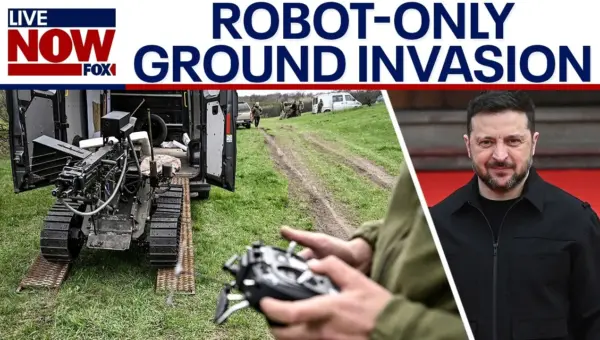
Ukraine has successfully captured a Russian position using an exclusively unmanned ground force, marking a first in the war. President Zelensky highlighted the operation, where ground robots and drones took the position without any Ukrainian casualties. This technological advancement signals a potential shift in battlefield dynamics.

Russia Pushes Belarus Towards Ukraine War Front
Russia appears to be preparing Belarus for a more active role in the Ukraine conflict, with intelligence noting suspicious border activity. This potential move comes as Russia faces battlefield setbacks and economic strain, possibly seeking to disrupt Ukraine's strategy and international support.