Strait of Hormuz Reopens: Global Oil Prices Drop, But Crisis Lingers
The Strait of Hormuz has reopened, causing oil prices to drop and markets to rally. However, experts caution that a full resolution to the global energy crisis is still distant due to lingering uncertainties, infrastructure damage, and ongoing geopolitical risks. Countries are now focusing on long-term preparedness through diversification and international cooperation.

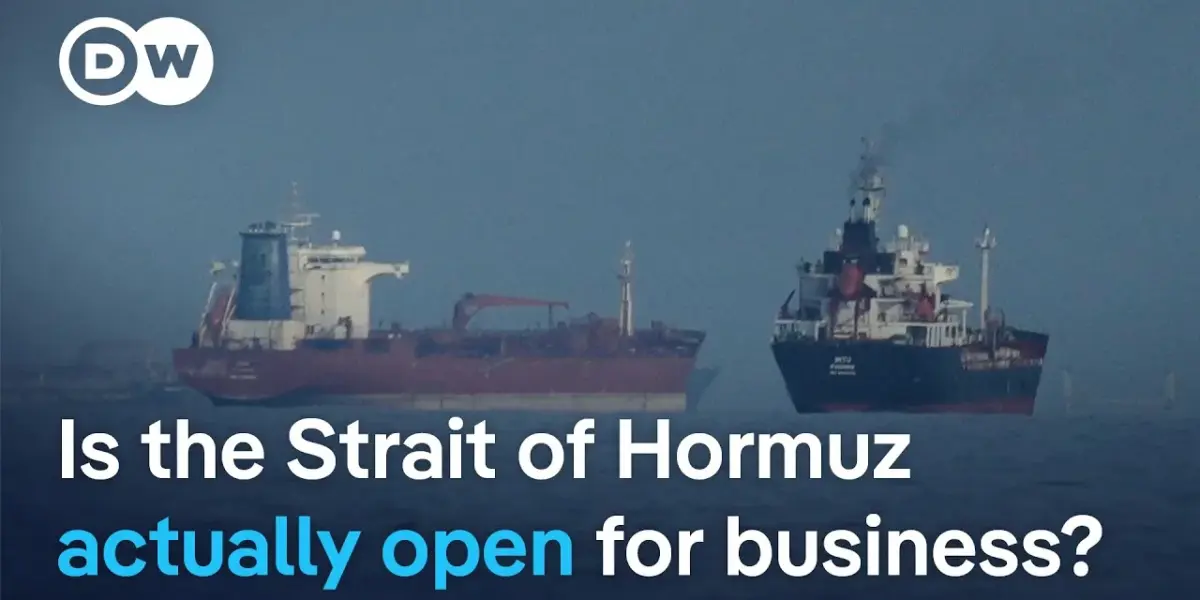
Strait of Hormuz Reopens, Offering Global Energy Relief
The Strait of Hormuz, a vital global shipping lane, has reopened, leading to a sharp drop in oil prices and a surge in stock markets worldwide. This development comes as a Maltese-flagged tanker has successfully sailed through the strait and anchored in Iraq to load crude oil. For weeks, the waterway had seen minimal activity, but this recent movement signals a potential de-escalation of tensions.
The Strait of Hormuz is a critical chokepoint, with about one-fifth of the world’s oil and gas typically passing through it during normal times. The reopening offers a significant sigh of relief to global markets, which have been bracing for prolonged energy disruptions. However, many uncertainties remain regarding the longevity of this ceasefire and the full impact on the global energy supply.
Market Reactions and Lingering Uncertainties
Oil prices saw an immediate and significant fall, dropping from around $95 to approximately $86 per barrel following the announcement. Financial markets also reacted positively, reflecting widespread optimism.
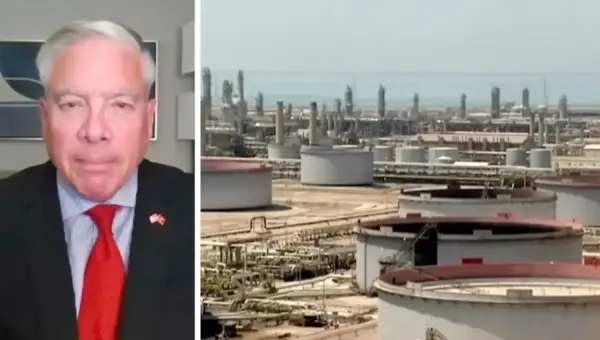
Energy security specialist Olga Hakova noted that while markets react quickly to headlines, a full resolution will take time, potentially weeks or months. She cautioned against expecting an immediate return to pre-crisis energy flows and prices.
Hakova explained that the map showed over 600 ships waiting for safe passage. While movement has begun, the process is slow. Ships are checking in with insurance agencies to ensure they are covered.
She believes that in a best-case scenario, peace will hold, and ships will reach their destinations, leading to continued healthy traffic. However, she does not anticipate a return to 2025 flow levels within a few weeks.
Infrastructure Damage and Insurance Concerns
Despite the reopening, challenges persist. Qatar’s infrastructure, for example, suffered damage that will take years to repair, impacting energy supply.
Shipping companies and insurers are proceeding with caution. Hakova stated that no one wants to be the first to face unexpected issues, so they are observing how other vessels navigate the strait.
Insurance companies are expected to slowly reduce rates after careful consideration, but this will not be as rapid as the market’s immediate jump. Hakova pointed out that a more permanent risk profile has emerged in the region, which insurers will need to calculate into their future rates. These premiums are unlikely to return to previous levels quickly, adding an ongoing cost that influences decisions for both producers and buyers.
Global Impact Beyond Oil
The reopening is a significant relief not just for major oil producers like Saudi Arabia, Qatar, and the UAE, but also for the numerous countries, particularly in Asia, that rely heavily on energy imports from the Gulf. The blocked ships were carrying not only crude oil and natural gas but also refined products like jet fuel, gasoline, and diesel. These supplies are critical for powering economies and manufacturing sectors.
Hakova emphasized that these energy supplies are essential for industrial processes such as chemical and fertilizer production. The disruption forces nations to consider how to make their operations more efficient and how to manage risks during future potential closures, even partial ones. The ongoing higher insurance premiums represent an additional cost that can shape long-term supply decisions.
Lessons Learned and Future Preparedness
The recent events have highlighted the importance of preparedness and diversification. Countries are exploring alternative routes and strategies to ensure energy security.
Hakova mentioned that lessons from past disruptions, like those in 2022, are applicable now. These include increasing efficiency, expanding renewable energy sources, and diversifying infrastructure.
Building alternative routes to connect the Gulf to global markets in a more complex and diversified way is a key strategy, though these infrastructure projects can take months or years. China’s example of maintaining strategic oil reserves is also noted as a way to cushion economic impacts. However, building such reserves is costly and involves opportunity costs, with limitations on how long certain fuels can be stored.
Challenges for Developing Economies
Economically struggling nations like Pakistan and Bangladesh face greater difficulties in building strategic reserves. For these countries, focusing on efficiency and diversifying supply sources becomes crucial. Developing hedges and establishing contracts with alternative suppliers can provide a safety net during disruptions.
Partnerships and cooperation among nations are seen as the most efficient mechanism for securing resources. By forming alliances, countries can share the burden of maintaining reserves and storage capacities. This collaborative approach can create efficiencies and ensure mutual support during supply chain disruptions.
Political Implications and Market Psychology
Benam Taliblau, an expert on Iran, suggests that Iran’s announcement about the Strait of Hormuz may be more stylistic than a complete technical opening. He noted that Iran had not technically closed the strait and has not fully opened it either, with reports of mines still present. Taliblau views the move as an attempt by Iran to gain international goodwill ahead of potential negotiations with the United States.
He also pointed out that the positive market reaction, while significant, is based on anticipation of future prices rather than immediate physical supply. The spread between current spot prices and future delivery prices reflects ongoing uncertainty. Taliblau cautioned that while the reopening is a positive step, the region’s increased risk profile will likely persist, impacting insurance premiums and long-term supply strategies.
The Role of US Blockade and Future Negotiations
The ongoing US blockade on Iranian ships remains a significant factor. Taliblau suggests this blockade serves as leverage for the US in potential future talks.
He also highlighted that the mines reportedly deployed by Iran have not been found, adding to the underlying risks. The US strategy appears to be limiting trade with Iran to reduce pressure on global oil prices, partly by facilitating the export of Arab oil.
The linkage Iran draws between the Strait of Hormuz reopening and the ceasefire in Lebanon is seen as ideological. Experts believe Iran may be trying to use the desire for de-escalation to protect its proxy groups like Hezbollah. The ongoing tensions and the potential for conflict escalation mean that the situation remains fragile, and the Strait of Hormuz could again become a point of contention.
Looking Ahead
While the reopening of the Strait of Hormuz is a welcome development offering immediate relief to global energy markets, it does not signal the end of the energy crisis. Lingering uncertainties, infrastructure challenges, and regional geopolitical risks will continue to influence supply and prices. Nations must remain prepared for potential disruptions while continuing to pursue diplomatic solutions and diversified energy strategies.
Source: Will reopening the Strait of Hormuz end the global energy crisis? | DW News (YouTube)

Related Articles

Trump’s Iran Deal: Promises or Playacting?
President Trump announced a potential deal with Iran regarding the Strait of Hormuz, but conflicting reports from Iran have created confusion. While markets reacted positively, the actual terms and Iran's commitment remain uncertain, echoing past diplomatic challenges.

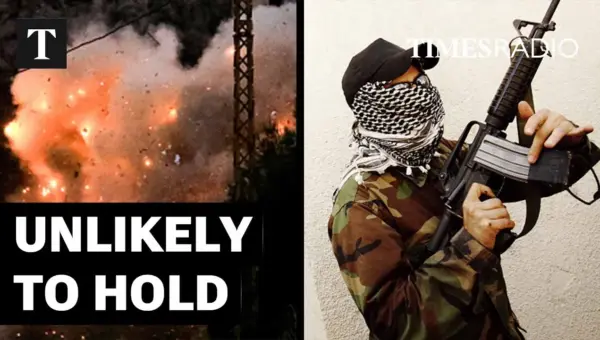
Israel-Hezbollah Ceasefire Holds Tensely Amid Regional Uncertainty
A tense ceasefire between Israel and Hezbollah is in effect, but significant questions remain about its long-term viability and the broader regional implications. Developments concerning the Strait of Hormuz and conflicting diplomatic narratives highlight the fragility of the current situation. Upcoming U.S.-Iran talks will be crucial in determining the next steps.
Iran’s Uranium Deal: A Risky Game of Trust
Iran has agreed to hand over enriched uranium, a move that could block its path to nuclear weapons. However, internal divisions in Iran and the complexities of removing radioactive material mean the deal is far from certain. Economic pressure and potential regional stability are also key factors.