Trump’s Iran Deal: Promises or Playacting?
President Trump announced a potential deal with Iran regarding the Strait of Hormuz, but conflicting reports from Iran have created confusion. While markets reacted positively, the actual terms and Iran's commitment remain uncertain, echoing past diplomatic challenges.

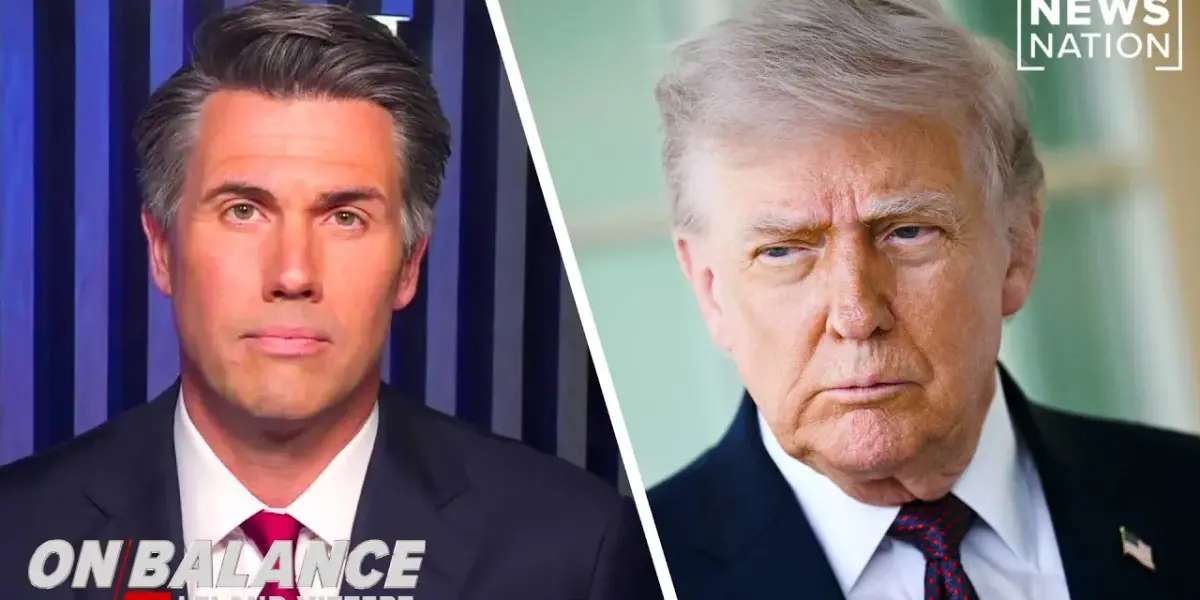
Trump’s Iran Deal: Promises or Playacting?
President Trump has signaled a potential breakthrough with Iran, claiming a deal has been struck that would prevent the Strait of Hormuz from being closed. He also suggested Iran agreed to stop funding proxy forces and to address issues related to nuclear material.
The announcement sent oil prices down and the stock market up. However, the situation remains unclear, with Iran denying key parts of the reported agreement.
This situation echoes past dealings with Iran, where promises have not always translated into lasting actions. Analysts point out that Iran has a history of making agreeable statements without following through. This makes it difficult to trust their current commitments.
A History of Mixed Signals
In the past, President Trump has taken a strong stance against Iran, vowing to confront the nation’s actions. He has previously stated that Iran has agreed to various terms, including ending its nuclear program. Yet, these agreements have often failed to materialize into concrete changes.
One notable example involved a previous understanding to end conflict, where Iran allegedly agreed to halt its nuclear ambitions. However, the outcome of that agreement remains uncertain, highlighting a pattern of unreliable commitments from Iran.
The Art of Negotiation, Iranian Style
Wyatt Earp, speaking on the matter, suggested that Iran’s approach to negotiation is a complex ‘art of the deal.’ He noted that while Iran’s words might sound positive, they are often worth little without verifiable actions. This means President Trump must demand and receive concrete deeds, not just promises.
The Iranian government has a track record of saying what people want to hear, a strategy that has helped them maintain power. This tactic was used when the Ayatollah came to power, promising progress but leading to repression. It’s a strategy that seems to be repeated in current negotiations.
Market Reactions and Lingering Doubts
When Iran announced the Strait of Hormuz was open for business, oil prices dropped sharply, and the stock market climbed. President Trump shared what he saw as key wins from the potential deal, including Iran’s promise never to close the strait again. He also mentioned that the U.S. would receive any nuclear material and that no money would change hands.
However, shortly after the market close, Trump himself admitted the deal was not fully settled. He stated that it was very unclear what Iran had actually agreed to. This uncertainty leaves many questions about the true nature of the agreement and its potential impact.
Conflicting Reports and Future Negotiations
The Iranian government has publicly denied some of the most important points of the reported agreement. Specifically, they stated that no Iranian uranium would be transferred anywhere. This direct contradiction to Trump’s claims creates significant confusion.
Despite the confusion, President Trump expressed optimism, suggesting that negotiations are progressing well and that most points have been agreed upon. He indicated that further negotiations are scheduled for the following week and that people would be very happy with the outcome. However, the conflicting statements from both sides cast a shadow of doubt.
Why This Matters
The outcome of these negotiations is crucial for global stability and energy markets. A confirmed agreement that Iran will not disrupt oil shipments through the Strait of Hormuz would be a significant positive development. It would reduce tensions and potentially stabilize oil prices, benefiting economies worldwide.
Conversely, if the agreement proves to be based on false promises or is not fully adhered to by Iran, it could lead to increased volatility and renewed conflict. The pattern of mistrust makes it essential for the U.S. to proceed with caution and demand tangible proof of Iran’s commitment to peace and security.
Implications and Future Outlook
The success of this deal hinges on Iran’s willingness to translate words into actions. If Iran demonstrates genuine commitment, it could enable a more stable relationship and a less volatile region. This would be a major diplomatic achievement for the Trump administration.
However, if Iran continues its pattern of making agreeable statements without substantive changes, the situation could worsen. Future negotiations will likely be closely watched, with a focus on verifying Iran’s compliance. The world waits to see if this is a true breakthrough or simply another instance of political maneuvering.
Historical Context
For nearly 50 years, U.S. presidents have sought to address problems with Iran, with many promising to confront the nation’s problematic actions. Trump’s approach, if successful, would mark a significant departure from previous administrations’ efforts. The history of these interactions is complex, marked by periods of intense hostility and cautious diplomacy.
The current situation can be seen as a continuation of a long-standing geopolitical struggle. The ability of Iran to negotiate favorable terms while maintaining its strategic objectives has been a hallmark of its foreign policy. Understanding this historical context is key to evaluating the current claims and counterclaims.
The Road Ahead
Further negotiations are set to begin next week, and the world will be watching closely for any concrete developments. The coming days will reveal whether President Trump’s claims of a deal are accurate or if the situation is more complex than initially presented.
The next step is to see if Iran will provide verifiable evidence of its commitment to the terms discussed. Without such proof, the promises made may remain just that—promises.
Source: Trump sends mixed signals about Iran accord: Leland Vittert | On Balance (YouTube)

Related Articles
Israel-Hezbollah Ceasefire Holds Tensely Amid Regional Uncertainty
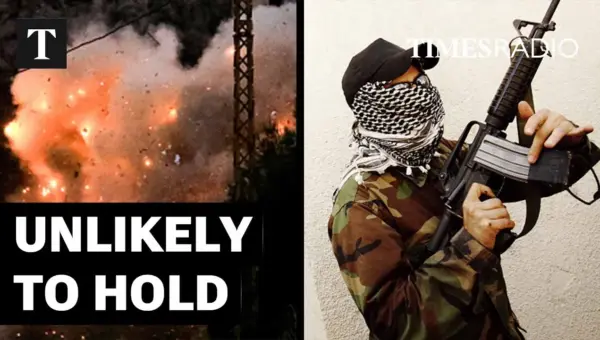
A tense ceasefire between Israel and Hezbollah is in effect, but significant questions remain about its long-term viability and the broader regional implications. Developments concerning the Strait of Hormuz and conflicting diplomatic narratives highlight the fragility of the current situation. Upcoming U.S.-Iran talks will be crucial in determining the next steps.
Iran’s Uranium Deal: A Risky Game of Trust
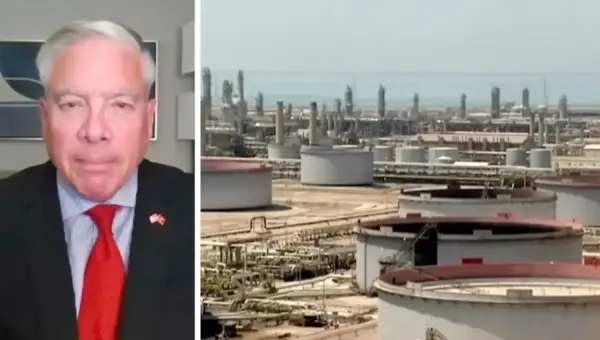
Iran has agreed to hand over enriched uranium, a move that could block its path to nuclear weapons. However, internal divisions in Iran and the complexities of removing radioactive material mean the deal is far from certain. Economic pressure and potential regional stability are also key factors.

NZ Spy Flights Near China Spark Beijing’s Outrage
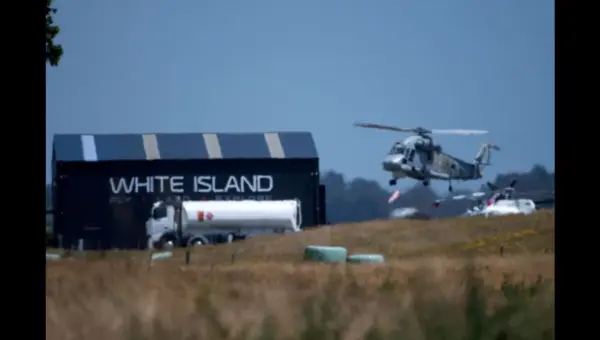
New Zealand's recent surveillance flights near Chinese airspace have triggered a strong protest from Beijing. This incident highlights growing geopolitical tensions in the Indo-Pacific and New Zealand's efforts to bolster its defense capabilities.