NZ Spy Flights Near China Spark Beijing’s Outrage
New Zealand's recent surveillance flights near Chinese airspace have triggered a strong protest from Beijing. This incident highlights growing geopolitical tensions in the Indo-Pacific and New Zealand's efforts to bolster its defense capabilities.

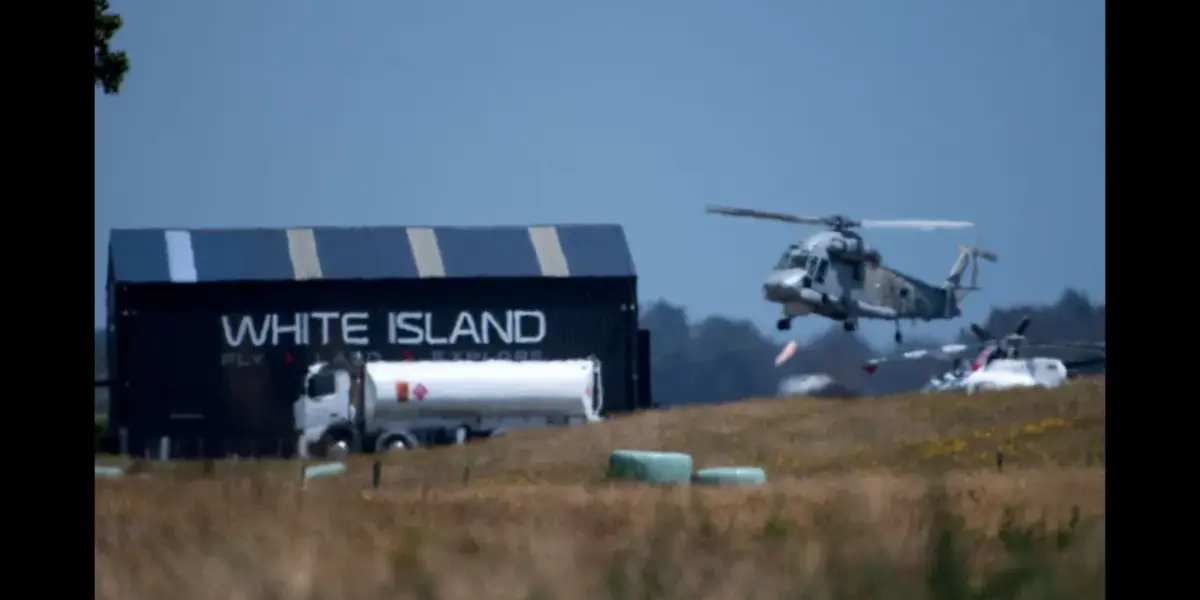
NZ Spy Flights Near China Spark Beijing’s Outrage
New Zealand’s decision to conduct surveillance flights near Chinese airspace has ignited strong protests from Beijing. The two nations, separated by vast distances, are now at odds over military activity in international waters. China claims that a New Zealand Air Force plane flew close to its territory multiple times, raising concerns about national security.
These flights reportedly occurred over the Yellow Sea and East China Sea, areas that are strategically important and lie between several East Asian nations. China has stated that these missions continued even after its authorities issued warnings. The exact purpose behind New Zealand’s deployment of an aircraft so far from home has not been made public.
However, China itself has a history of similar actions directed towards New Zealand. Last year, New Zealand officials reported spotting highly capable Chinese military vessels in the Tasman Sea, waters between Australia and New Zealand. This suggests a pattern of assertive military presence from China in regions considered by New Zealand to be within its sphere of influence.
In response to what it perceives as growing military threats, New Zealand is planning a significant increase in its defense spending. The country is set to invest billions of dollars in its military capabilities over the next few years. This move signals a clear intention to strengthen its defenses and project a stronger security posture in the region.
Why This Matters
This incident highlights the complex geopolitical dynamics at play in the Indo-Pacific region. It shows how actions by one nation, even in international waters, can be interpreted as provocative by another, leading to diplomatic friction. The situation also reflects a broader trend of increasing military activity and strategic posturing by major powers and their allies.
For New Zealand, these flights represent a difficult balancing act. The country seeks to maintain its economic ties with China while also upholding its security interests and alliances with Western partners. Protesting China’s military movements near its own territory, while simultaneously conducting its own surveillance, demonstrates this challenging tightrope walk.
The Yellow Sea and East China Sea are critical trade routes and areas of potential conflict. Increased military flights and naval patrols in these waters raise the risk of misunderstandings or accidental escalations. Both nations are signaling their commitment to regional security, but their methods are clearly at odds.
Historical Context and Background
New Zealand and China have a relationship that has evolved significantly over the decades. While they share strong economic ties, their strategic alignment has often been a point of negotiation. New Zealand, as a member of the Five Eyes intelligence alliance (along with the US, UK, Canada, and Australia), often finds itself aligning with Western security concerns.
China’s increasing assertiveness in the South China Sea and its growing naval capabilities have been a source of concern for many countries in the region, including New Zealand. China views these surveillance flights as encroaching on its perceived security perimeter, while New Zealand likely sees them as necessary intelligence gathering in a rapidly changing security environment.
The Tasman Sea incident last year, where Chinese military ships were observed near New Zealand, is a key piece of context. It shows that New Zealand has been wary of Chinese military presence closer to its home for some time. This recent surveillance flight can be seen as a reciprocal action, or at least a demonstration of New Zealand’s own intelligence-gathering reach.
Implications, Trends, and Future Outlook
The trend of increased military activity and diplomatic tension in the Indo-Pacific is likely to continue. As China’s military power grows, countries like New Zealand are reassessing their defense strategies and looking for ways to maintain regional stability.
New Zealand’s planned defense spending increase suggests a long-term commitment to enhancing its military capabilities. This could involve acquiring new surveillance aircraft, naval vessels, or other advanced military technology. The goal would be to better monitor its surrounding waters and respond to perceived threats.
The diplomatic fallout from these flights could impact the broader relationship between New Zealand and China. While trade is important, security concerns can put significant strain on diplomatic ties. Future interactions will likely involve careful communication and a continued effort to avoid miscalculations.
New Zealand’s defense review is expected to be released later this year, outlining specific plans for its military modernization.
Source: New Zealand Conducts Surveillance Flights Near China, Beijing Protests (YouTube)

Related Articles
US Blockade Tightens Grip on Iran’s Ports
The US military is maintaining a naval blockade on Iranian ports, even as Iran lifts its own blockade in the Strait of Hormuz. This operation restricts ships heading to or from Iranian ports, impacting the country's trade. Meanwhile, increased traffic is seen in the Strait of Hormuz following a US-brokered ceasefire between Israel and Lebanon.


US Threatens China Banks Over Iran Business Deal
The US is warning Chinese banks against doing business with Iran, threatening "secondary sanctions" if Iranian money flows through their accounts. This move is part of the US "maximum pressure" campaign on Tehran. The strategy aims to isolate Iran economically, with China's oil purchases previously serving as a key lifeline.
Japan Ships Warship Through Taiwan Strait, Eyes Global Arms Market
Japan is taking a more assertive defense role, relaxing weapons export rules and sending a warship through the Taiwan Strait. This marks a significant shift from its post-WWII pacifist stance and could reshape regional security dynamics, especially with potential deals like the one with Australia.