Nasdaq Surges: Best Week Since 1992 Fuels Market Rally
The Nasdaq index recorded its best week since 1992, driven by robust corporate earnings that show revenue up 12.5% and profits up 30%. Investors are gaining confidence as economic indicators suggest a stronger outlook than previously anticipated. Falling oil prices and a potential easing of geopolitical tensions are further supporting market optimism.


Nasdaq Soars to Best Week Since 1992 Amid Strong Earnings
The Nasdaq composite index experienced its most significant weekly gain since 1992, signaling a powerful rally across major stock markets. This surge is fueled by surprisingly strong corporate earnings and a growing belief that economic headwinds may be less severe than previously feared.
The Nasdaq’s impressive performance comes as the broader market also shows strength, with the S&P 500 reaching new record highs. This upward momentum suggests investors are looking past geopolitical concerns and focusing on the positive underlying economic and corporate financial trends.
Corporate Profits Drive Market Optimism
Early corporate earnings reports are providing a significant boost to investor confidence. While only about 44% of S&P 500 companies have reported their results so far, the initial data is highly encouraging. Revenue for these companies has jumped by an average of 12.5%, a figure far exceeding the typical growth rate seen in line with Gross Domestic Product (GDP).
Even more striking is the growth in earnings, which have surged by 30%. This is approximately 10% higher than what analysts had predicted. While these figures may adjust as more companies release their reports, the strong performance from financial and technology sectors indicates a healthy profit environment for now.
Oil Prices and Economic Outlook
The energy market is also playing a role in the evolving economic narrative. Falling oil prices are seen as beneficial for the broader equity market, although they are distinct from the overall economy’s health. The market appears to be pricing in a future where conditions will be better than they are today, looking about six months ahead.
American oil production is expected to become a more significant factor in global supply. As geopolitical tensions in the Middle East potentially ease, the U.S. is positioned to be a reliable supplier for global demand. This shift suggests a reordering of global energy influence, with American energy playing a more prominent role.
Market Impact and Investor Insights
The current market environment suggests a potential for a sustained bull market. The risk premium, which is the extra return investors demand for holding riskier assets, is being reduced.
Oil futures indicate a stable price around $70 per barrel for the foreseeable future. This level is sufficient for U.S. producers to drill new wells, ensuring continued supply without extreme price volatility.
High profit margins for S&P 500 companies are expected to continue. This could lead to ongoing wage growth, putting more money into consumers’ pockets. This increased purchasing power may help offset potentially higher costs for goods like gasoline, supporting consumer spending.
Economic Indicators and Consumer Spending
While the overall economic picture is positive, some indicators offer a mixed view. The Atlanta Fed’s real-time GDP tracker currently shows growth at 1.3%, which is lower than some expected. However, this tracker is known for its volatility and can be influenced by short-term factors.
Tax refunds are providing a noticeable boost to the economy. These refunds, distributed to millions of Americans, are up significantly year-over-year. This influx of cash acts as a form of economic stimulus, potentially driving consumer spending in the latter half of the year.
Geopolitical Developments and Consumer Habits
Concerns about high oil prices impacting consumer spending appear to be easing. Reports suggest that sustained oil prices at $150 per barrel are needed to significantly affect discretionary spending. Consumers typically adjust their habits over a couple of months, and current trends do not indicate a broad impact from recent price fluctuations.
A sense of relief may be emerging as geopolitical conflicts show signs of de-escalation. This easing of global tensions can improve overall economic sentiment and encourage greater investment and consumer confidence. The focus is shifting towards potential global peace and economic prosperity.
Looking Ahead
The second half of the year is anticipated to benefit from increased capital expenditures by corporations and the unleashing of pent-up consumer demand. The resolution of major global risks is expected to unlock further economic potential.
Investors will be watching upcoming corporate earnings reports and economic data closely. Key areas to monitor include continued revenue and earnings growth, consumer spending trends, and developments in the energy sector.
Source: Taylor Riggs: The Nasdaq just had its best week since 1992 (YouTube)

Related Articles


Markets Brace for Uncertainty Amid Geopolitical Tensions, AI Boom
Geopolitical tensions surrounding Iran are creating market uncertainty, but a booming artificial intelligence sector and a stable labor market are providing significant economic support. Investors are watching closely as AI investment continues to drive growth and buffer against potential downturns.
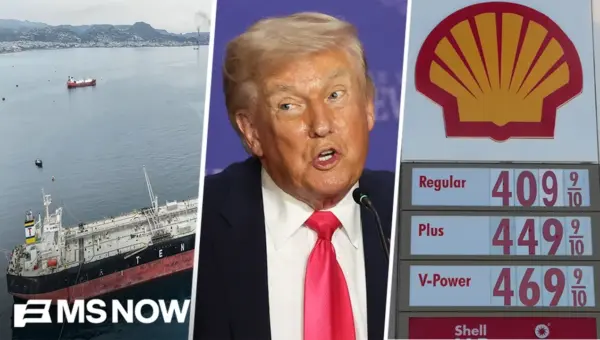
Markets Surge Amid Iran Tensions, Widening Wealth Gap
Stock markets are soaring to new heights despite global tensions and low consumer confidence, creating a widening gap between Wall Street and Main Street. Experts warn that the slow-moving effects of shipping disruptions could lead to long-term economic consequences for households worldwide, even as geopolitical strategies appear to falter.


Iran Deal Nears Completion: Trump’s Strategy Forces Concessions
Talks to secure Iran's nuclear program are reportedly nearing completion, with a former Trump advisor asserting U.S. strategy has forced Iran's hand. Years of economic pressure have pushed Iran's economy to the brink, leading to potential concessions on enriched uranium removal.