Trump’s Base Fractures as Key Supporters Voice Doubts
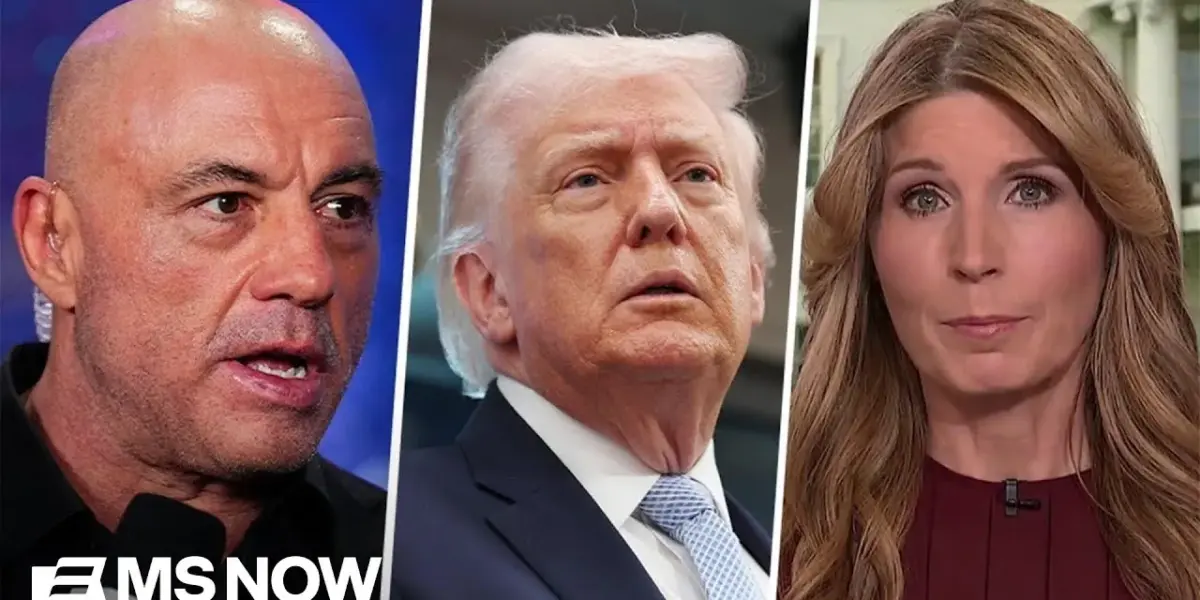
Donald Trump's political base is showing signs of division as key supporters voice growing concerns about his actions and statements. Reports indicate a "shocking number" of his supporters have turned against him, particularly within the manosphere and among religious conservatives, who are questioning his leadership on issues from foreign policy to social commentary. This fracturing is impacting his ability to maintain narrative dominance and could have significant implications for future elections.

Trump’s MAGA Coalition Shows Cracks Amidst Growing Criticism
Donald Trump’s political base, once seemingly solid, is showing significant signs of division as prominent supporters and news reports reveal growing unease with his actions and statements. This fracturing is particularly evident within the “manosphere” and among religious conservatives, who are questioning his leadership on issues ranging from foreign policy to social commentary.
Recent events have highlighted these internal tensions. A photo opportunity at the White House featuring a DoorDash driver, Sharon Simmons, delivering McDonald’s to President Trump, intended to promote a tax-on-tips policy, drew criticism. Critics argued it was tone-deaf to showcase a grandmother working to pay for her husband’s cancer treatment while touting a policy that might not address her deeper financial struggles.
“Delusional Reality” and Shifting Alliances
Commentators have expressed disbelief at the situation, with one questioning, “What kind of delusional reality are we living in where he’s parading around the grandma that’s working DoorDash… And he’s like see we’re not doing tips?” This sentiment reflects a broader concern that the focus is misplaced, ignoring fundamental issues affecting working families.
The Atlantic has reported that a “shocking number of the president’s supporters have turned against him.” This includes figures within the libertarian-leaning manosphere, who are reportedly baffled by Trump’s stances on the Epstein files, immigration, and recent actions concerning Iran. These groups, previously strong allies, are now expressing significant doubts.
Religious Conservatives Questioning Leadership
Religious conservatives, who had largely supported Trump despite personal reservations, are also voicing criticism. This shift comes after Trump posted an image of himself depicted as Jesus on social media and made critical remarks about the Pope, calling him “weak on crime.” Such actions have alienated a segment of his base that valued his perceived gestures toward their community.
Republican operatives in key battleground states have also indicated a preference for Trump to limit his campaigning for their candidates. Some have observed a sharp decline in small-dollar donations, a crucial funding source for political campaigns. This suggests a growing reluctance among some voters to rally behind the former president.
Joe Rogan’s Audience and Shifting Narratives
The influence of media figures who previously supported Trump is also under scrutiny. Joe Rogan, host of the top-rated podcast in America, has expressed serious concerns about the ongoing conflict in Iran. He described the situation as “terrifying” and highlighted the potential dangers of Russia providing Iran with information about troop locations, including those of American service members.
Rogan’s platform reaches millions, and his critical commentary on the current geopolitical situation is significant. Experts note that these influential voices can act as “weather vanes” for the political mood of independent voters and those who don’t strictly adhere to party lines. When such figures begin to express doubts, it can signal a broader shift in public opinion.
Undermining Trump’s Narrative
Angelo Carusone, president of Media Matters for America, explained that when influential media figures who once supported Trump start questioning his narrative, it weakens his influence. Instead of reinforcing his stories, they begin to undermine them. This lack of unified storytelling within his media allies can destabilize his message and create openings for political realities to change.
Carusone added that this is particularly important because these figures shape the worldview of many voters. The fact that they are now actively questioning Trump’s positions, rather than just not supporting him, signifies a more direct challenge to his narrative dominance. This could impact his ability to maintain control over the political conversation.
Economic Concerns and Foreign Policy Doubts
Amanda Carpenter, writer and editor for Protect Democracy, suggested that Trump’s base can be divided into two main groups: economically minded Republicans and people of faith. Economically, many supported Trump because they believed the economy was working for them, citing tax cuts and good employment numbers.
However, high gas and grocery prices, partly attributed to the conflict in Iran, are now puncturing these economic bubbles. The return to potential prolonged military engagement in the Middle East contradicts the desire of many voters who elected Obama and Trump to move past the era of Middle East wars. This inconsistency is causing disillusionment.
Punctured Reality Bubbles
For people of faith, Trump’s gestures toward their communities were appreciated, even if they didn’t view him as a believer. They accepted his actions at face value. However, recent social media posts, like the image of himself as Jesus, and criticisms of the Pope, have made it difficult for these supporters to maintain their previous acceptance.
Carpenter stated that these actions are “puncturing a lot of those bubbles” of support. When voters can no longer reconcile Trump’s actions with their own values or economic interests, they begin to question their allegiance. This creates a significant challenge for Trump as he seeks to maintain a unified coalition heading into future elections.
Lawmakers’ Hesitation and Future Uncertainty
Even Republican lawmakers are showing signs of hesitation. Some have privately expressed a desire for Trump to campaign less vigorously for them, indicating a potential distancing. The narrow margins on votes related to presidential war powers also suggest that some lawmakers might be willing to challenge Trump’s foreign policy decisions.
With 200 days until the midterm elections, Trump has time to rebuild his coalition. However, this period also presents an opportunity for these internal fractures to widen, potentially impacting election outcomes. The coming months will be critical in determining whether Trump can overcome these growing doubts within his own base.
Source: ‘What kind of DELUSIONAL reality are we living in?’: Manosphere bros SICK of Trump as MAGA fractures (YouTube)

Related Articles
Trump Promises UFO Files Release ‘Very Soon’
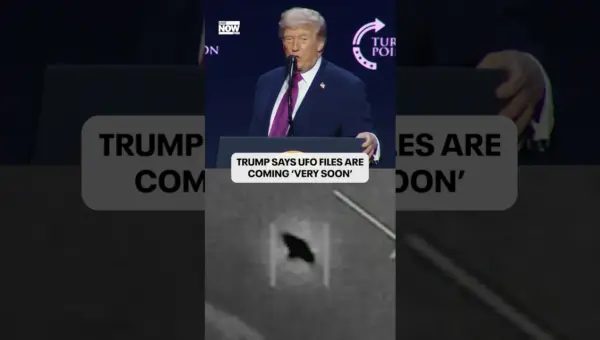
Former President Donald Trump announced that government files on UFOs and unexplained aerial phenomena will be released "very, very soon." The review process, initiated during his presidency, has uncovered "very interesting documents." The upcoming disclosures are expected to offer the public a closer look at information previously kept classified.
Trump Claims Strait Open, But Was It Ever Closed?
Donald Trump declared the Strait of Hormuz open, but critics question the actual gains given the conflict's cost. Reports from Iran contradict key claims, suggesting the strait may not have been fully closed. This situation raises concerns about accountability and the true impact of foreign policy decisions.
Trump’s Iran Deal Hypocrisy Fuels Political Firestorm
Reports suggest a potential $20 billion asset release to Iran, drawing accusations of hypocrisy against Donald Trump due to his past strong criticisms of similar deals. This controversy highlights ongoing debates about his negotiating tactics and foreign policy consistency. The situation also brings attention to broader themes of political accountability and the scrutiny of business dealings by political figures and their families.