Artists Fight Lyrics Used as Evidence in Court Cases
A coalition of artists is petitioning the Supreme Court to prevent song lyrics from being used as evidence in court. Led by music executive Kevin Liles, the group argues that lyrics are a form of creative expression, not factual accounts, and their misuse disproportionately targets hip-hop artists. This legal battle seeks to protect free speech and prevent a double standard in the justice system.

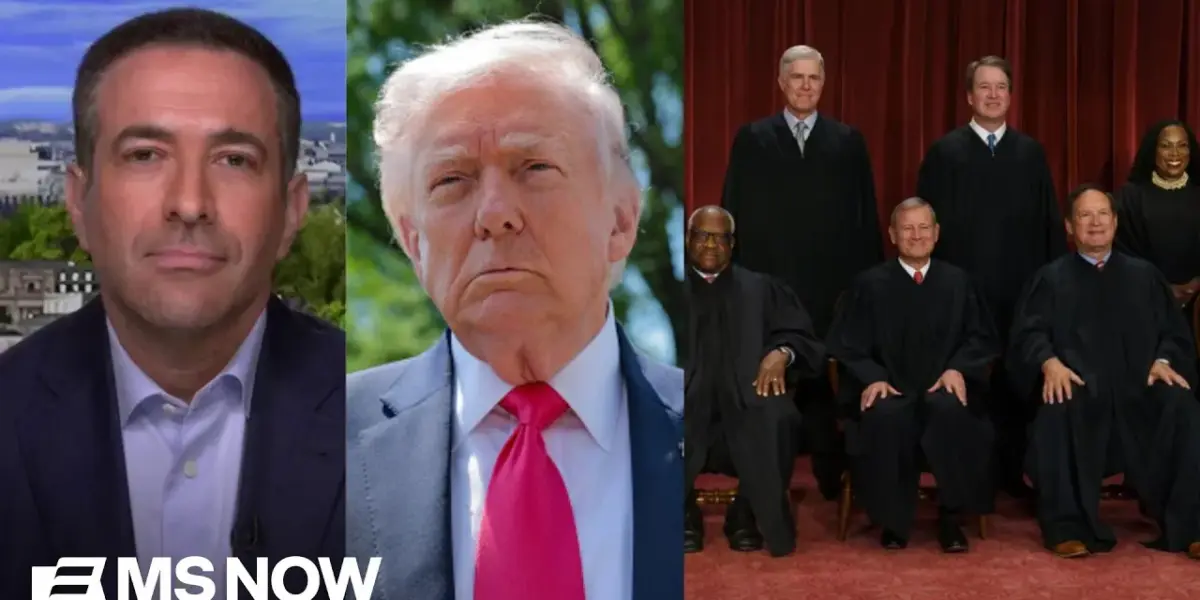
Supreme Court Hears Case on Artist Lyrics in Legal Proceedings
A coalition of artists and music executives are urging the Supreme Court to reconsider how song lyrics are used as evidence in court. The case centers on the admissibility of lyrics, with artists arguing they are a form of creative expression, not factual accounts. This push comes as a defendant faces execution, with lyrics reportedly used to influence sentencing.
The debate questions whether artistic works, like song lyrics or movie scripts, should be treated as literal evidence in criminal trials. Many believe this practice unfairly targets artists, particularly within the hip-hop genre, and infringes on free speech rights. Legal experts and artists are calling for clearer guidelines to prevent the misuse of creative content in legal battles.
Kevin Liles Leads Charge for Artist Rights
Kevin Liles, founder and CEO of 300 Entertainment and a prominent figure in hip-hop, is at the forefront of this movement. He heads the non-profit Free Our Art, which advocates for artists’ rights and protections against the weaponization of their lyrics. Liles has been instrumental in pushing for legislative change, most recently supporting a law passed in Maryland aimed at addressing this issue.
Liles highlighted the success of the Pace Act in Maryland, noting that similar efforts have gained traction in California and Louisiana. He expressed concern over cases like that of defendant Brodnax, where lyrics, though not used for conviction, were allegedly employed to secure a death sentence. Liles emphasized that artists often draw from personal experiences or use artistic license, but their work should not be mistaken for factual reporting.
Lyrics as Fiction, Not Fact
A core argument from the artists’ coalition is that lyrics should be viewed as fiction, akin to movie scripts or literature. They question why a fictional movie script would not be used against an actor, yet song lyrics are presented as evidence against musicians. This distinction, they argue, is fundamental to protecting creative expression.
Liles pointed out that if one were to find song lyrics in a library or bookstore, they would likely be placed in the fiction section. This highlights the perceived disconnect between the artistic intent of lyrics and their interpretation in a legal context. The coalition believes that prosecutors are unfairly targeting hip-hop artists with this practice.
Concerns Over Racial Bias and Double Standards
Studies suggest that no other music genre has faced the same level of scrutiny as hip-hop when it comes to using lyrics in court. Critics argue that this focus points to a racial bias, where lyrics from Black artists are disproportionately scrutinized. This creates a double standard, where artists in other genres or mediums are not subjected to similar legal challenges.
Liles questioned whether similar tactics would be employed against filmmakers like Martin Scorsese or creators in other artistic fields. He stressed the need for actual evidence of wrongdoing, rather than relying on creative works to build a case. The fight is for creators to be free, ensuring their art is not used against them.
Looking Ahead: The Supreme Court’s Decision
The Supreme Court’s decision on this matter could have significant implications for free speech and artistic expression nationwide. The coalition hopes the court will establish clearer boundaries on the use of lyrics in legal proceedings, protecting artists from potential misinterpretations of their work.
The outcome will influence how creative works are viewed within the legal system and could set a precedent for future cases involving artists across various mediums. The artists and their supporters are watching closely as the legal process unfolds, hoping for a ruling that upholds the distinction between art and reality.
Source: Trump's 'execution agenda' appealed to SCOTUS: Melber on legal reform, Kevin Liles Intv (YouTube)

Related Articles
Government Targets Online Critics, Draining Their Wallets
The government is increasingly targeting online critics by using legal processes to drain their financial and emotional resources. Even when individuals share publicly available information, they may face costly investigations and potential legal battles. This strategy aims to silence dissent through exhaustion rather than conviction.
Judge’s Bold Rulings Hint at SCOTUS Audition
Recent strong rulings by DC Circuit Judge Florence Vance are interpreted by some as an audition for a Supreme Court seat. Her aggressive language and criticism of fellow judges mirror Donald Trump's style, suggesting a bid for favor. This has sparked debate about judicial independence and the politicization of appointments.
BossMan DLow Drops Debut Album, Honors Sports Dreams
Rapper BossMan DLow has released his debut album, revealing his childhood dream of playing in the NBA and his surprise connection to Tennessee's Elite Eight run. His hit song "Let's Go Get It" became an anthem for the team, showcasing the powerful crossover between sports and music.