Ticketmaster Found Illegal Monopoly: A Win for Fans
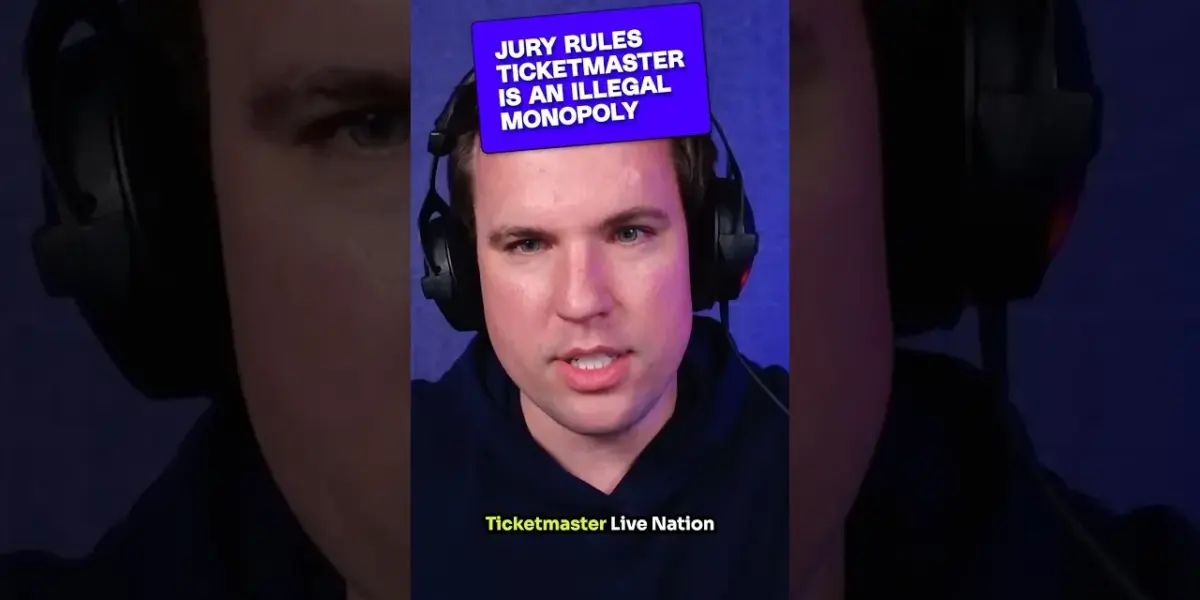
A jury has declared Ticketmaster, under Live Nation Entertainment, an illegal monopoly. This landmark ruling, won by state attorneys general, signals a potential shift in the live event industry. Consumers hope for more choices and fairer prices following the verdict.

Ticketmaster Found Illegal Monopoly: A Win for Fans
In a major victory for consumers and live event enthusiasts, a jury has ruled that Ticketmaster, operating under its parent company Live Nation Entertainment, is an illegal monopoly. This landmark decision comes after a prolonged legal battle initiated by state attorneys general who continued the prosecution even after the Department of Justice settled its own case. The outcome sends a clear message about the unchecked power held by ticketing giants.
The states’ attorneys general successfully argued that Live Nation and Ticketmaster engaged in monopolistic practices that harmed competition and inflated prices for concert and event tickets. While the initial DOJ settlement focused on specific practices, the states pushed forward with their own case, aiming for a broader declaration of monopoly status. Their persistence paid off, as the jury found the company liable on two counts of illegally monopolizing the market.
This ruling is significant because it validates long-held suspicions among fans that Ticketmaster wields too much control over the live event industry. For years, consumers have complained about exorbitant fees, limited ticket availability, and a lack of choice when purchasing tickets for popular shows. The jury’s decision suggests these complaints have a solid legal basis.
While the court has declared Ticketmaster an illegal monopoly, the exact remedies, such as a potential breakup of the company, are yet to be determined. The judge will still need to decide on the specific actions required to address the monopolistic situation. However, the finding of liability is a critical first step toward potentially reshaping the ticketing landscape and making live events more accessible and affordable for everyone.
The case highlights a broader concern about concentrated economic power in America. As one commentator noted, the intense monopolization and control of the economy can lead to a sense of helplessness among individuals.
This verdict offers a glimmer of hope that it is possible to challenge and overcome dominant companies that stifle competition and exploit consumers. It’s a win for the good guys in the ongoing fight for a fairer marketplace.
What This Means for Ticket Buyers
For the average concertgoer, this verdict could eventually mean more choices and lower prices. The monopoly finding opens the door for potential changes that could break Live Nation/Ticketmaster’s stranglehold on the industry. This might include allowing other ticketing platforms to compete more freely or forcing Live Nation to divest some of its assets, such as venues or its ticketing arm.
The current system, where Live Nation controls a vast number of venues and uses Ticketmaster for ticketing, creates a powerful advantage. This vertical integration makes it difficult for smaller promoters or competing ticketing services to gain traction. The jury’s decision suggests that this level of control is no longer acceptable under antitrust laws.
The Legal Battle and Its Implications
The legal arguments centered on whether Live Nation Entertainment used its market power to maintain its monopoly in primary ticketing services and live music promotion. Prosecutors presented evidence that the company engaged in anticompetitive practices, such as punishing venues that worked with rival ticketing services or acquiring competitors to eliminate threats. The jury’s agreement with these claims is a strong indictment of the company’s business strategies.
This case is a significant development in antitrust enforcement. It shows that state-led actions can be highly effective in challenging powerful corporations, even when federal efforts might result in settlements. The success of the state attorneys general could encourage similar legal challenges against other dominant companies in various industries.
Looking Ahead: Remedies and Future Competition
The next phase will involve the court determining the appropriate remedies. This could range from significant fines to a mandated breakup of Live Nation Entertainment.
A breakup would likely involve separating Ticketmaster from Live Nation’s extensive venue ownership, creating more independent entities in the live event space. Such a move could foster greater competition among ticketing platforms and venues.
Fans and industry observers will be watching closely to see how the courts implement the remedies. The ultimate goal is to restore fair competition and prevent the kind of market dominance that has led to widespread frustration. This verdict marks a crucial turning point, offering a potential path toward a more equitable and fan-friendly live event market.
Specs & Key Features (Contextual)
While this isn’t a product review, the core issue revolves around Live Nation Entertainment’s alleged monopolistic control over:
- Primary Ticketing Services: Ticketmaster’s dominant position in selling tickets directly to consumers for a vast number of events.
- Live Music Promotion: Live Nation’s significant ownership and management of concert venues and its role in promoting tours.
- Secondary Ticketing Market: Indirect influence over resale markets through its control of primary sales and data.
The jury found that the combination of these elements created an illegal monopoly, preventing fair competition and choice for consumers and venues alike.
Who Should Care?
Anyone who buys tickets for concerts, sports events, or theater performances should care deeply about this ruling. It directly impacts the cost, availability, and overall experience of attending live events. Artists, promoters, and venue owners who have struggled to navigate or compete within the current market also have a vested interest in the outcome and the remedies that follow.
This decision is a win for consumers who have felt powerless against ticketing giants. It suggests that challenging market dominance is possible and can lead to positive changes that benefit the public. The ongoing legal proceedings will determine the exact shape of these changes, but the initial verdict is a powerful statement.
The coming months will be crucial as the court decides on the specific remedies. The outcome could fundamentally alter how tickets are sold and how live events are organized in the United States.
Source: Jury rules Ticketmaster is an illegal monopoly #Vergecast (YouTube)

Related Articles

States Triumph Over Ticketmaster, DOJ Falls Short
States have secured a major victory against Ticketmaster and Live Nation, with a jury finding the companies liable for anti-competitive practices. This win highlights the power of state-led antitrust enforcement, especially as the U.S. Department of Justice settled on weaker terms. The upcoming remedy phase could lead to significant changes, including potential breakups or financial penalties, aiming to restore fairness and affordability for consumers.

Live Nation Found Guilty of Illegal Monopoly, Faces Breakup
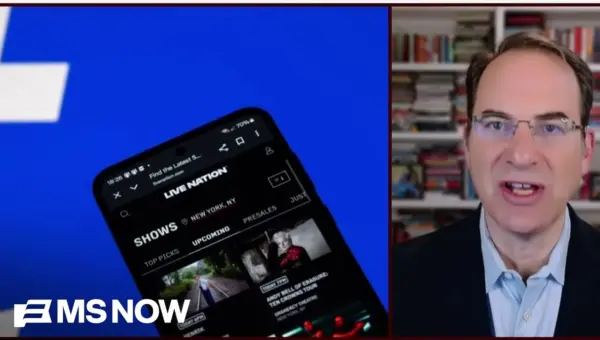
A Manhattan jury found Live Nation, parent company of Ticketmaster, guilty of operating as an illegal monopoly and overcharging consumers. Colorado Attorney General Phil Weiser is leading efforts to break up the company, which controls ticketing, promotion, and venues. Weiser is also involved in a lawsuit challenging an executive order restricting mail-in voting.

Storms Rage, Live Nation Found Guilty, Markets Soar
Severe storms with tornadoes and flooding are impacting millions across the U.S. Meanwhile, Live Nation, owner of Ticketmaster, was found guilty of illegal monopoly practices. Wall Street markets hit record highs despite global tensions, while Turkey faces tragedy with two school shootings.