Trump Criticizes NATO Amid Strait of Hormuz Reopening
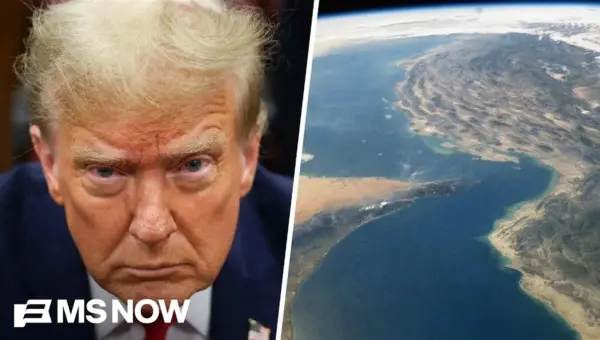
Former President Donald Trump criticized NATO, calling it a "paper tiger" after the Strait of Hormuz reportedly reopened. He also thanked Saudi Arabia, UAE, and Qatar for their bravery. The comments come amid ongoing developments in the critical oil shipping lane.

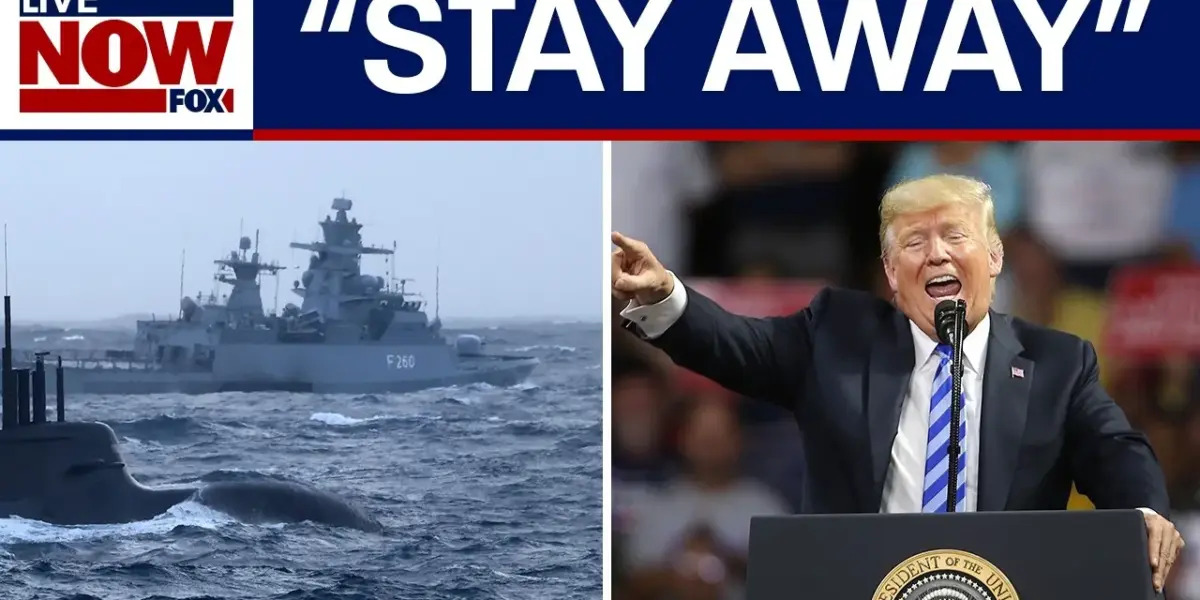
Trump Questions NATO’s Role After Strait Reopens
Former President Donald Trump has voiced strong criticism of NATO following the reported reopening of the Strait of Hormuz. In a series of posts on Truth Social, Trump stated that he received a call from NATO asking if the United States needed assistance. He responded by telling them to stay away unless they intended to load their ships with oil, dismissing the alliance as a “paper tiger” when help was needed.
The former president’s remarks came as news emerged that the situation in the Strait of Hormuz had been resolved. Trump also claimed that Iran, with assistance from the U.S., had removed or was in the process of removing sea mines. These posts were shared throughout the morning and early afternoon.
Praise for Middle Eastern Allies
In addition to his comments on NATO, Trump expressed gratitude to Saudi Arabia, the United Arab Emirates, and Qatar. He thanked these nations for their “great bravery and helped” in the situation. These statements were also disseminated through his social media platform.
Market Reaction and Other Developments
The news of the Strait of Hormuz reopening and Trump’s statements appeared to have an impact on the stock market. Live coverage showed the market reacting to the developing news throughout the day. The situation at the Strait of Hormuz is a critical chokepoint for global oil supplies, making its status a significant factor in international markets.
Meanwhile, in Washington D.C., HHS Secretary Robert F. Kennedy Jr. was testifying at a live event. He spoke about efforts to address major health concerns, noting that within three months of his tenure, he had secured agreements to end key issues impacting a significant portion of American lives.
Context: The Strait of Hormuz
The Strait of Hormuz is a narrow waterway connecting the Persian Gulf to the Gulf of Oman. It is one of the world’s most important shipping lanes, essential for the global oil trade. Approximately 20-30% of the world’s oil, including significant amounts from Saudi Arabia, Iran, Iraq, and the UAE, passes through this strait daily.
Tensions in the region have frequently put the Strait of Hormuz at the center of international concern. Any disruption to shipping traffic there can lead to significant spikes in oil prices and broader economic instability. The U.S. Navy regularly patrols the area to ensure freedom of navigation.
Broader Implications of Trump’s NATO Comments
Trump’s latest remarks continue a long-standing pattern of questioning the value and contributions of NATO members to the alliance. During his presidency, he repeatedly urged allies to increase their defense spending and argued that the U.S. was shouldering an unfair burden.
His comments suggest a belief that NATO allies are not sufficiently contributing to collective security and are slow to respond to international crises. By characterizing them as a “paper tiger,” he implies a lack of real strength or effectiveness when faced with genuine threats. This stance reflects his “America First” approach, prioritizing what he views as direct national interests over multilateral commitments.
Looking Ahead
The situation in the Strait of Hormuz will continue to be monitored closely for any renewed tensions. Former President Trump’s ongoing commentary on foreign policy and international alliances, particularly NATO, will likely remain a significant part of the political discourse. The effectiveness and future of NATO itself continue to be debated, especially in light of evolving global security challenges.
Source: Trump slams NATO after Strait of Hormuz reopens (YouTube)

Related Articles
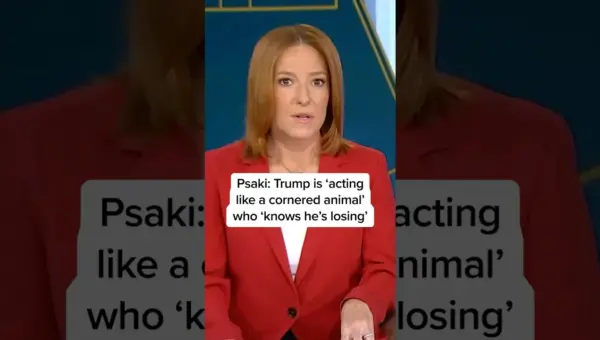
Psaki: Trump ‘Cornered Animal’ Losing Support, Polls Show
Jen Psaki has described Donald Trump's campaign behavior as that of a 'cornered animal' who 'knows he's losing.' Psaki cited recent polls showing Trump's approval ratings have fallen below 40 percent in six tracked surveys. This suggests a potential weakening of his support base and a defensive posture in his public actions.
Iran Opens Key Oil Route, Stocks Jump Amid Ceasefire Hopes
Iran has reopened the Strait of Hormuz to commercial shipping, leading to a drop in oil prices and a rally in the stock market. This move comes as part of a fragile ceasefire agreement between Lebanon and Israel, with the U.S. heavily involved in brokering peace talks. The situation remains complex, with ongoing discussions about Iran's nuclear program and Hezbollah's future role.
Trump’s Iran Deal Tweets Spark Mental Fitness Debate
Amidst a flurry of social media posts declaring victory in Iran negotiations, Donald Trump's stability and the actual gains of the deal are under intense scrutiny. Critics question the substance of his claims, pointing to a return to the status quo and potential concessions to Iran.