Germany Pledges Deeper Ukraine Ties Amid Shifting Global Support
Germany and Ukraine have announced a new strategic partnership, signaling a deeper commitment beyond traditional aid. This move comes as Ukraine showcases its own defense industry and as global attention is divided by ongoing conflicts. Experts discuss the need for Europe to increase its own defense production and support Ukraine more robustly, especially amid concerns about shifting US priorities.

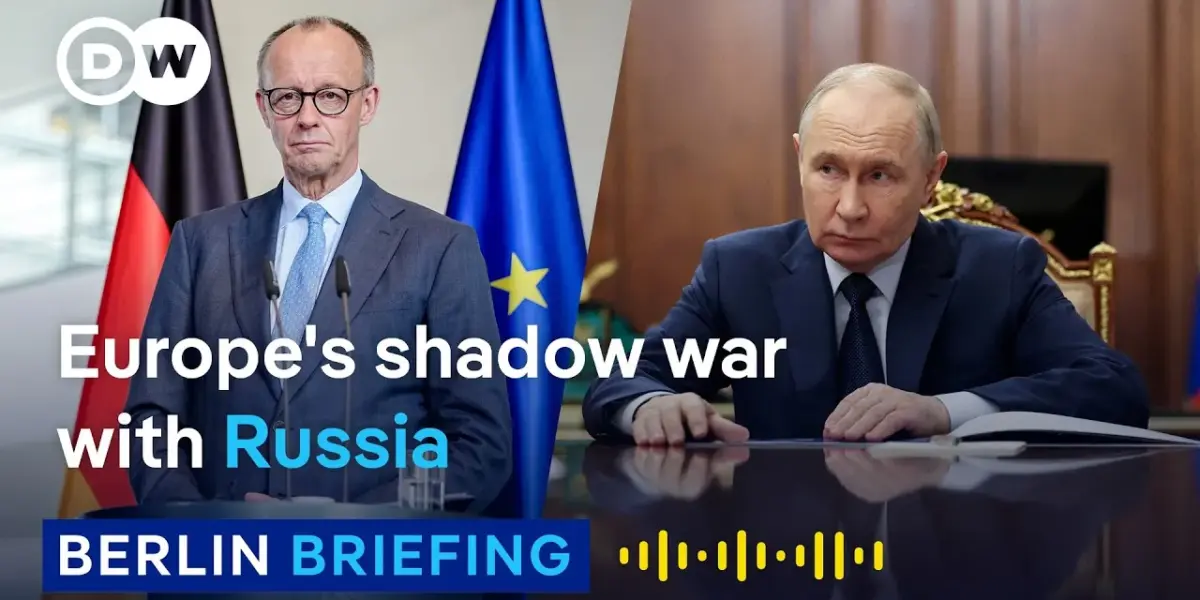
Germany and Ukraine Forge Strategic Partnership
Ukraine’s President Volodymyr Zelenskyy recently visited Germany, not just to request aid, but to showcase his nation’s growing defense industry. During his trip, Zelenskyy and German Chancellor Olaf Scholz announced a new strategic partnership between their countries. This move comes at a critical time, with ongoing conflicts in Ukraine and the Middle East straining global resources and attention.
The declaration of this partnership includes concrete steps and significant funding, suggesting it goes beyond mere diplomatic gestures. Experts note that Ukraine is not just a recipient of aid but also a potential partner with valuable lessons to offer Europe, particularly in defense innovation and a “total defense approach” against aggression. This perspective positions Ukraine as a key player in future European security.
Ukraine’s Defense Industry on Display
President Zelenskyy highlighted Ukraine’s own manufacturing capabilities, stating that much of the weaponry used in defense is Ukrainian-made. He emphasized the country’s capacity to produce twice the number of drones it needs, proof of its burgeoning defense sector. This self-sufficiency is a crucial element as Ukraine seeks to strengthen its position and contribute to broader European security.
The Ukraine Defense Contact Group Meets
Meanwhile, the Ukraine Defense Contact Group, formerly known as the Ramstein Group, convened in Berlin. This coalition of nations meets regularly to assess Ukraine’s needs and coordinate military support. The group aims to ensure that aid is delivered efficiently and without duplication.
At the recent meeting, Ukrainian Defense Minister Rustem Umerov pointed out that while some promised aid had arrived, partners still needed to fulfill their commitments. NATO Secretary General Jens Stoltenberg also attended, highlighting the alliance’s continued support for Ukraine amid global security challenges.
Concerns Over Shifting US Priorities
A major concern discussed is the potential for the United States to reduce its support for Ukraine, especially with the ongoing conflict in the Middle East. While US Vice President Kamala Harris has expressed optimism about continued aid, there are fears that American resources and attention might be redirected.
This uncertainty is particularly worrying for Ukraine, as production of critical defense systems like Patriot missiles is already stretched. The US has shifted towards having European nations purchase weapons directly from American manufacturers for Ukraine, a move celebrated by some US officials as a significant achievement in burden-sharing.
European Responsibility and Production Capacity
Experts like Galina Hues, former NATO deputy director, emphasize the need for greater European leadership and a shift in mindset. She argues that European nations must recognize Ukraine’s potential as an integral part of their future security architecture and move beyond a “too little, too late” approach to aid.
The focus is increasingly on ramping up European defense industrial production. However, challenges remain, including reliance on US components and the speed at which European industries can scale up. The ability to produce crucial items like interceptor missiles is limited by bottlenecks in the supply chain and decisions made by the US regarding global distribution.
Ukraine’s Perspective: Innovation and Skepticism
From Kyiv, Ukraine correspondent Nick Connelly reports a mix of resilience and skepticism. Despite facing heavy overnight strikes, Ukraine continues to operate its air defense systems. Zelenskyy’s diplomatic efforts in the Middle East, showcasing Ukrainian drone technology, are seen as crucial for shifting global perceptions.
However, there is a sense that European countries are not fully embracing Ukraine’s innovations or adapting their own defense strategies quickly enough. While acknowledging Ukraine’s resilience, there’s a question of whether European nations are truly willing to change their spending habits and defense procurement to match the realities of modern warfare.
The Challenge of Hybrid Warfare
German officials, including Defense Minister Boris Pistorius, acknowledge the ongoing hybrid warfare waged by Russia, characterized by sabotage and disinformation campaigns. This acknowledgment highlights a growing awareness within Germany of the pervasive nature of Russian aggression, extending beyond conventional military threats.
Politicians are navigating a difficult path, trying to inform the public about these threats without causing undue alarm. The Social Democratic Party, in particular, faces an identity crisis, torn between traditional calls for peace with Russia and the urgent need for a strong defense posture. This internal debate complicates Germany’s ability to fully commit to a robust containment policy against Russia.
Looking Ahead: European Self-Reliance
As discussions continue within NATO and coalitions of the willing, the focus is shifting towards European self-reliance. The goal is to identify and replace American capabilities within the alliance’s defense planning, a process that will take years but is seen as essential for long-term security.
Ukraine’s push for EU membership and security guarantees remains a priority. President Zelenskyy has stressed that Ukraine seeks full partnership within the EU and NATO, emphasizing its strong military and its readiness to contribute to European stability. The coming months will be crucial in determining the extent of European commitment and Ukraine’s ability to secure its future.
Source: Ukraine support: how and why is Germany different? | Berlin Briefing Podcast (YouTube)

Related Articles

Russia’s Donbas Deadline Seen as Bluff Amid Shifting Alliances
Analysts view Russia's deadline for Donbas withdrawal as a bluff amid global distractions caused by the Iran conflict. Ukraine faces difficult choices over territorial compromise, seeking security guarantees in return. Ukrainian strikes on Russian energy infrastructure aim to raise war costs, while broader escalation risks remain low.

Trump Criticizes NATO Amid Strait of Hormuz Reopening
Former President Donald Trump criticized NATO, calling it a "paper tiger" after the Strait of Hormuz reportedly reopened. He also thanked Saudi Arabia, UAE, and Qatar for their bravery. The comments come amid ongoing developments in the critical oil shipping lane.

Russia Replaces Local Forces in Occupied Ukraine
Russia is replacing local security forces with Russian personnel in occupied Ukrainian territories. This move includes intensified surveillance, mobile device checks, and regular "filtration measures" in towns and villages. The Kremlin aims to suppress pro-Ukrainian sentiment and intelligence gathering.