US Denies Entry to 20 Chinese Scholars, Sparking Diplomatic Friction
Twenty Chinese scholars with valid visas were denied entry to the US at Seattle airport, facing lengthy questioning. China has issued an advisory to its citizens traveling to the US following this incident.

US Denies Entry to 20 Chinese Scholars, Sparking Diplomatic Friction
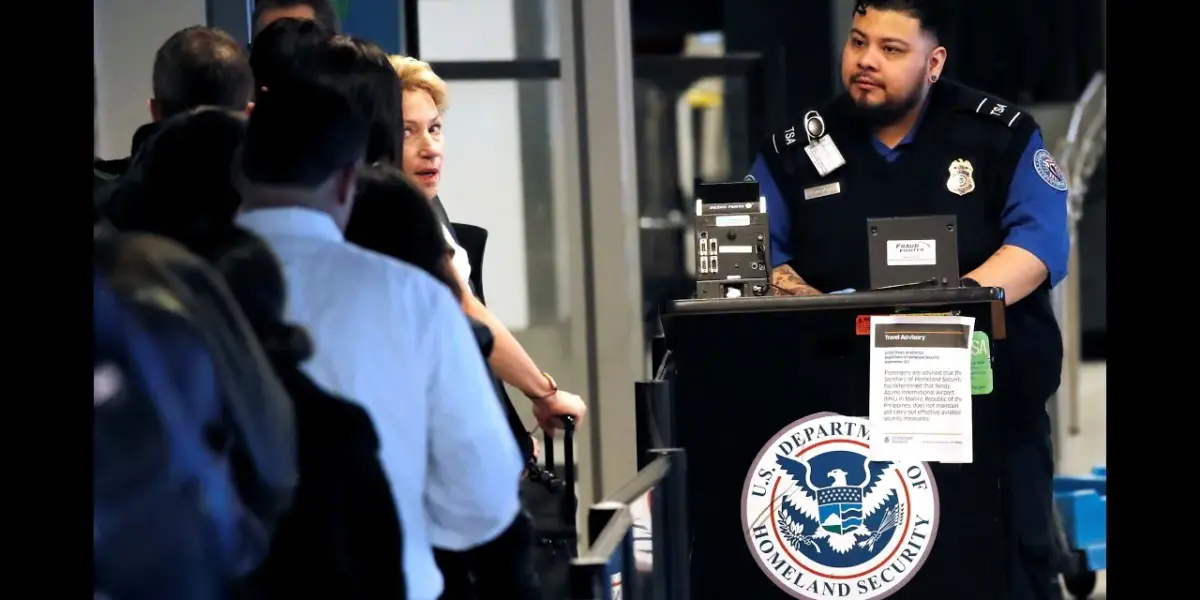
Twenty Chinese scholars were recently denied entry into the United States while trying to attend an academic conference. This incident, which occurred at Seattle-Tacoma International Airport, has led to a formal advisory from China to its citizens traveling to the U.S.
According to Chinese officials, the scholars held valid visas for their trip. They reported facing lengthy and intense questioning from U.S. Customs and Border Protection officers. This experience left the academics unable to proceed with their planned visit to the United States.
Context of Increased Scrutiny
This event happens as U.S. authorities have been increasing their checks on travelers from China. There have been reports of crackdowns on individuals attempting to bring prohibited or harmful substances into the country. This heightened security measure likely contributes to the more thorough screening of all travelers.
The U.S. government’s focus on border security is a complex issue with many factors. These include national safety concerns and the ongoing efforts to prevent illegal activities. Such measures can sometimes lead to stricter examinations for all individuals, regardless of their travel purpose.
China’s Official Response and Advisory
Following the denial of entry for the scholars, China issued a public advisory. The government urged its citizens heading to the U.S. to remain vigilant and composed if questioned by border officials. This advice aims to help travelers navigate potential difficulties during their entry process.
The advisory suggests that Chinese travelers should be prepared for thorough checks and questioning. It is a direct response to the experiences of the scholars and reflects a concern for how their citizens are being treated at U.S. ports of entry. This highlights a growing point of tension between the two nations.
Broader Geopolitical Tensions
This incident occurs against a backdrop of already strained relations between the United States and China. The upcoming trip by President Trump to China, though delayed, is a significant diplomatic event. It is taking place amid ongoing global concerns, including issues related to the Iran war, which has already impacted the President’s travel schedule.
The challenges faced by the scholars could potentially influence the tone and outcomes of these high-level discussions. Diplomatic exchanges are often sensitive to how citizens of each country are treated abroad. Such incidents can add complexity to already delicate negotiations and international relations.
Why This Matters
This event is significant because it directly impacts academic and cultural exchange between the two countries. Scholars and students are often bridges between nations, sharing knowledge and fostering understanding. When their travel is hindered, it can slow down collaboration and create a chilling effect on international academic pursuits.
The incident reflects broader trends in international relations, where security concerns can sometimes overshadow open exchange. It raises questions about the balance between national security and the benefits of global cooperation in fields like science and education. The treatment of scholars can send signals about a nation’s openness to international engagement.
Implications and Future Outlook
The denial of entry for these scholars could lead to a more cautious approach by Chinese academics considering travel to the U.S. This might result in fewer participants at international conferences and a decrease in collaborative research opportunities. It could also prompt reciprocal measures or increased scrutiny of U.S. citizens traveling to China.
Looking ahead, the upcoming presidential trip to China will be closely watched for any signs of improvement or further strain in bilateral relations. How this specific incident is addressed, or if it influences diplomatic talks, will be a key indicator of the future of U.S.-China engagement. The long-term effect on academic travel and cooperation remains to be seen.
The situation highlights the importance of clear communication and consistent policies in international travel. Finding ways to ensure security without impeding legitimate academic and cultural exchanges is a challenge that both nations must address. This incident is a reminder of the delicate balance required in managing international affairs.
Source: 20 Scholars Denied US Entry at Seattle Airport, China Issues Advisory (YouTube)

Related Articles
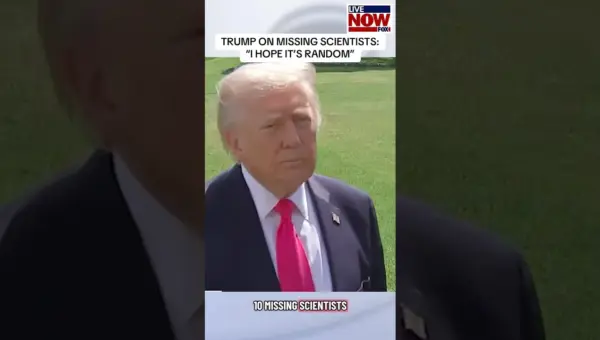
Trump Promises Answers on Missing Nuclear Scientists Within a Week
Former President Donald Trump expects to have answers within a week regarding ten scientists who have gone missing or died, many with access to nuclear and aerospace secrets. He acknowledged the seriousness of the situation, hinting at potential foreign adversary involvement while also referencing border security.
China’s Global Reach Faces Sanctions Threat
The U.S. is imposing potential secondary sanctions on Chinese banks dealing with Iran's oil revenue, signaling a tougher stance on international financial flows. This move is part of broader concerns over China's global economic and political influence, including its technological acquisition and alleged influence operations within the U.S.

Fetterman Stands Alone on Iran Vote, Sparks Debate
Senator John Fetterman stood alone among Senate Democrats in voting against measures related to Iran policy, sparking debate on the party's direction. Congressman Mike Lawler criticized the Democratic Party's stance on Iran and highlighted legislative battles over border security and defense spending.