China’s Global Reach Faces Sanctions Threat
The U.S. is imposing potential secondary sanctions on Chinese banks dealing with Iran's oil revenue, signaling a tougher stance on international financial flows. This move is part of broader concerns over China's global economic and political influence, including its technological acquisition and alleged influence operations within the U.S.

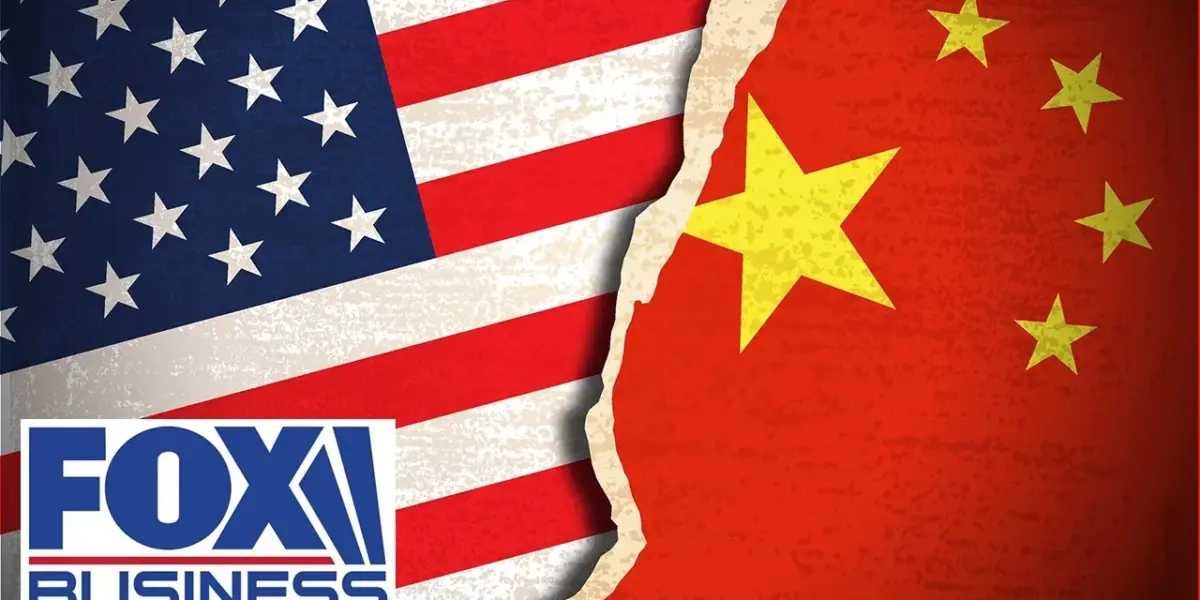
US Targets Chinese Banks Over Iran Oil Ties
The United States is taking a firm stance against China’s economic ties with Iran, particularly concerning oil purchases. Treasury Secretary Scott Bessent has put Chinese banks on notice, warning of secondary sanctions if they are found to be facilitating Iranian oil money. This move signals a significant escalation in U.S. efforts to enforce sanctions and disrupt Iran’s oil revenue streams.
The U.S. Treasury sent letters to at least two major Chinese banks. These letters clearly state that if evidence emerges of Iranian money flowing through their accounts, those banks could face penalties. This action aims to cut off a vital financial lifeline for Iran, which relies heavily on oil sales to fund its economy and military activities.
China’s Role in Supporting Iran’s Economy
China is a major buyer of Iranian oil, reportedly purchasing up to 90% of Iran’s oil exports. This relationship allows Iran to evade international sanctions and keep its economy afloat.
By buying this oil, China benefits from low-cost energy to fuel its own economic growth. This also allows China to compete more effectively with businesses in the United States.
This dynamic is seen as unfair competition by U.S. officials. Congressman John Moolenaar, Chairman of the House Select Committee on the Chinese Communist Party, highlighted this issue.
He stated that China’s participation in sanction evasion helps Iran’s economy and supports its military capabilities. He views the U.S. Treasury’s actions as a necessary step to address this situation.
Broader Concerns Over China’s Global Operations
The financial scrutiny of Chinese banks is part of a larger pattern of concern regarding China’s expanding global influence. U.S. officials point to China’s actions on multiple fronts that they believe undermine American interests.
These include so-called United Front operations, which are described as propaganda machines disguised as cultural organizations. These groups allegedly collect intelligence and conduct influence operations to promote the Chinese Communist Party’s agenda within the U.S.
Technologically, China is accused of acquiring U.S. technologies for dual-use purposes, meaning they can be used for both commercial and military applications. This raises concerns about China’s military modernization and its ability to challenge U.S. technological superiority. The U.S. is working to reduce its reliance on China for critical technologies and supply chains.
Cybersecurity and Influence Operations
Cybersecurity is another major area of concern. The FBI recently revealed a significant cyberattack attributed to China.
Unlike U.S. cyber activities, which officials say focus on assessing military capabilities and defense, China’s actions are seen as targeting civilian infrastructure. This includes pre-positioning capabilities that could disable critical systems in a conflict scenario, such as in preparation for actions related to Taiwan.
China operates numerous tax-exempt organizations in the U.S. that are alleged to be involved in political activities. These organizations, numbering over 50, are suspected of violating their tax-exempt status.
They are also accused of collecting information on the Chinese diaspora in the United States. This information is allegedly used to surveil, threaten, and intimidate individuals who speak out against the Chinese Communist Party’s actions, such as the crackdown in Hong Kong or the oppression of Uyghurs.
Diplomatic Meetings and Strategic Positioning
The U.S. President is scheduled to meet with Chinese President Xi Jinping next month. Despite past disagreements, President Trump has indicated he has a good relationship with President Xi and looks forward to the meeting. He has also stated that actions taken by his administration, such as those in Venezuela and Iran, have strengthened his negotiating position with China.
The U.S. strategy aims to disrupt China’s access to cheap energy, which fuels its economy and enables unfair competition. By impacting Iran’s oil exports, the U.S. hopes to put pressure on China.
The administration is also focused on reducing U.S. reliance on China for essential goods like medicines and critical minerals. This multi-pronged approach seeks to rebalance the economic and geopolitical relationship between the two countries.
What Investors Should Know
The escalating tensions and U.S. sanctions targeting Chinese banks involved with Iran highlight the geopolitical risks in global markets. Investors should monitor developments in U.S.-China relations, particularly concerning trade, technology, and financial sanctions. The disruption of oil flows and the potential impact on global energy prices could affect various sectors, including energy, shipping, and manufacturing.
Companies with significant exposure to Chinese supply chains or those reliant on Chinese markets may face increased uncertainty. The U.S. push to reduce reliance on China for critical minerals and manufacturing could lead to shifts in global production and investment patterns. Investors may want to consider companies that benefit from reshoring or nearshoring trends, as well as those involved in developing alternative supply chains.
The ongoing scrutiny of Chinese entities involved in sanction evasion and influence operations highlights the importance of due diligence. Investors should be aware of the potential regulatory and reputational risks associated with companies operating in or connected to China, especially in sensitive sectors or regions.
Source: 'MULTIPLE FRONTS': Warning over China’s EXPANDING reach (YouTube)

Related Articles
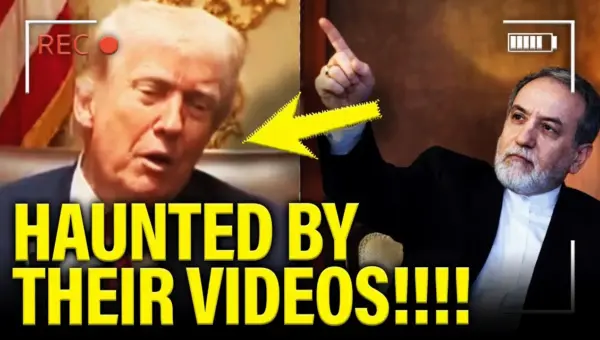
Iran’s AI Trolls Trump With Viral Videos
Iran is using AI-generated videos, often with a playful Lego animation style, to mock Donald Trump and his family. These viral clips aim to portray Trump as weak and out of touch, turning his own social media tactics against him in a new form of digital warfare.
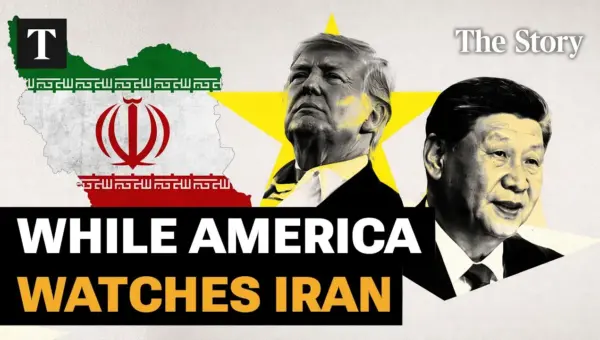
Iran War Strains US Power, Bolsters China’s Global Ambitions
The ongoing conflict with Iran has significantly weakened the United States' global standing and depleted its military resources. This has created an opening for China to expand its influence, potentially impacting the future of Taiwan. Analysts suggest the war may be a pivotal moment, marking a potential decline in American power.
Trump Predicts Lower Oil Prices Despite Tensions
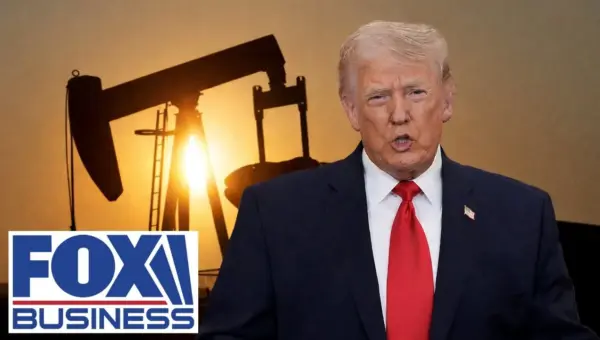
President Trump anticipates lower oil prices later this year, citing increased U.S. production and strategic actions like the Strait of Hormuz blockade. The administration also highlighted progress on domestic energy infrastructure, including a new natural gas pipeline for the Northeast, promising cost savings for millions of households.