US Blockade Gains Traction as Middle East Tensions Ease
The U.S. is maintaining a firm blockade on Iranian ports, effectively cutting off oil revenue and pushing Iran toward negotiations. A new ceasefire between Israel and Lebanon has added to diplomatic optimism. Markets are reacting positively to the potential for a de-escalation, with major indexes hitting record highs.

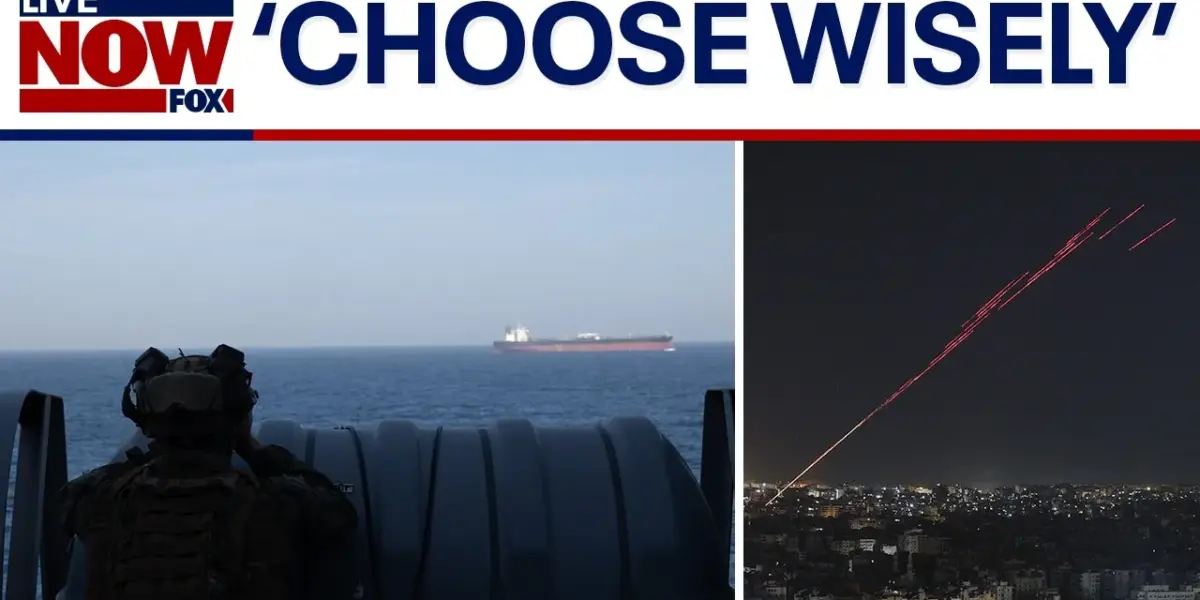
US Tightens Grip on Iranian Ports Amid Ceasefire Hopes
The United States is maintaining a strong blockade on Iranian ports, a move that appears to be pushing Iran toward negotiations. This naval action, described as highly effective by officials, involves the U.S. Navy warning ships to turn back. So far, 14 vessels have heeded these warnings without direct intervention.
The blockade is now expanding to target the “dark fleet” – often Iranian vessels that operate without detection, sometimes with Chinese or Russian involvement. This strategy aims to cut off Iran’s primary revenue source: oil sales.
By reducing the number of ships stopping at Iranian ports for cargo, the U.S. is directly impacting Iran’s economy. Market reactions have been positive, with stock indexes like the S&P 500 and Nasdaq showing significant gains, suggesting investor optimism about a potential de-escalation.
Ceasefire in Lebanon-Israel Conflict Boosts Diplomatic Momentum
A significant development in the region is the recent 10-day ceasefire between Israel and Lebanon. This agreement is seen as a crucial step, potentially enabling broader diplomatic progress. High-level talks, the most significant since the Iranian regime took power 50 years ago, were previously stalled by this conflict.
The ceasefire has created positive momentum, leading to optimism among observers. However, caution remains a key sentiment, given the inherent risks in international relations. Despite the hopeful signs, the potential for escalation is still present if an agreement between Iran and the U.S. cannot be reached.
Economic Pressure Mounts on Iran
The U.S. naval blockade is designed to exert significant economic pressure on Iran. Analysts suggest that if the blockade continues, Iran could face severe financial strain. This could potentially force Iran to retaliate by targeting ships and energy infrastructure in the Gulf region, following the principle that if Iran cannot export its oil, others won’t be able to either.
Iran is reportedly attempting to circumvent these pressures. In recent days, the country has shipped millions of barrels of oil from floating storage facilities.
Vessels are also actively loading oil at Iranian ports, indicating Iran’s determination to continue its oil exports despite the blockade. This ongoing activity suggests Iran is not yielding easily to the pressure.
Negotiations Focus on Nuclear Program and Sanctions Relief
Negotiations between the U.S. and Iran are reportedly nearing a critical stage, with discussions focusing on Iran’s nuclear program. There are reports that the U.S. might accept a partial removal of enriched uranium from Iran. A 20-year commitment from Iran not to pursue nuclear weapons is being considered.
The U.S. has historically maintained a firm stance, stating it will never allow Iran to possess nuclear weapons. The accessibility and removal of highly enriched uranium remain key sticking points. Iran has also previously sought reparations for rebuilding its country, a demand that President Trump has strongly opposed, recalling past “cash deliveries” to Iran during the Obama administration.
Market Reacts to Diplomatic Optimism
The financial markets are strongly reflecting the optimism surrounding potential diplomatic breakthroughs. Stock markets have seen a significant surge, with the S&P 500 reaching new highs and the Nasdaq experiencing its longest winning streak in about 17 years. This rally suggests that investors are anticipating a resolution to the current geopolitical tensions.
The strong market performance, even with ongoing global uncertainties, highlights a focus on economic fundamentals. Companies are reporting strong earnings and not cutting forecasts, indicating consumer strength. This economic resilience is contributing to the positive market sentiment, even as geopolitical risks persist.
Future Outlook and Next Steps
The coming days will be crucial for observing the progress of negotiations and the impact of the U.S. blockade. While optimism is high, the history of U.S.-Iran relations is marked by mistrust and past failed talks. The effectiveness of the blockade in compelling Iran to negotiate seriously remains a key factor.
Analysts will be watching closely to see if the current momentum translates into a concrete agreement. The U.S. is also seeking support from allies and Gulf nations to join its efforts in the Strait of Hormuz. Future developments will likely depend on the willingness of both sides to make concessions and build confidence, potentially leading to significant shifts in regional stability and global energy markets.
Source: US blockade on Iranian ports holds as Israel & Lebanon strike ceasefire (YouTube)

Related Articles

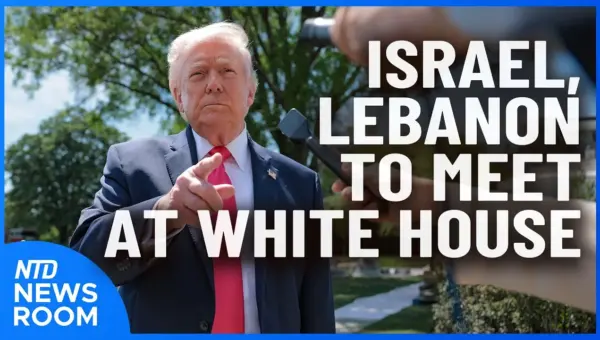
Ceasefire Ignites Hope Amidst Global Tensions
A 10-day ceasefire between Israel and Lebanon, including Hezbollah, has been announced following White House talks. Meanwhile, the U.S. naval blockade against Iran, Operation Economic Fury, continues, aiming to pressure Iran over its nuclear program. Iran has reportedly agreed to give up enriched uranium and forgo nuclear weapons.


Trump Claims Iran Deal: A Leap of Faith or Risky Gamble?
President Trump claims Iran has agreed to surrender its enriched uranium, potentially ending the war. However, skepticism remains high due to Iran's history of deception, and significant military movements suggest conflict is still a strong possibility. The situation is fluid, with verification and trust being key.

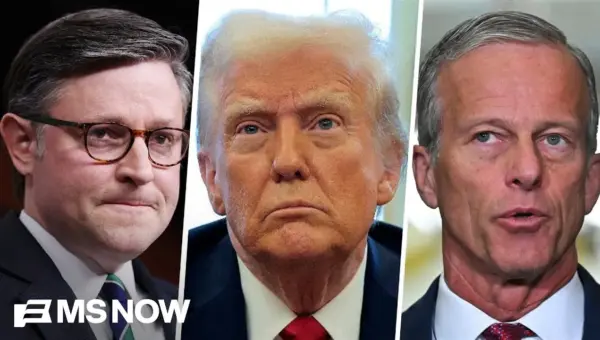
Congress Ducks Iran War Vote as Ceasefire Deal Reached
Congress has failed to pass a resolution limiting the President's war powers regarding Iran, amidst a newly announced 10-day ceasefire between Israel and Lebanon. Heated debate marked the vote, with lawmakers divided on national security and political strategy. The ceasefire offers a potential de-escalation, though significant issues remain unresolved in broader peace efforts.