Global Leaders Act on Soaring Oil Prices Amidst Crisis
Nations worldwide are implementing diverse strategies to combat soaring oil prices driven by the US-Israel war on Iran. From energy emergencies and tax suspensions in the Philippines to significant relief packages in Ireland and strategic stockpiling in China, governments are scrambling to cushion the economic blow for their citizens. Meanwhile, the U.S. is focusing on increasing domestic production and releasing strategic reserves.

Nations Worldwide Respond to Escalating Energy Costs
Rising fuel and energy prices are sparking global discontent, from Dublin to Manila. Six weeks into the US-Israel war on Iran, the world faces dwindling energy supplies, prompting governments to scramble for solutions to lessen the financial strain on their citizens. This article explores the diverse strategies nations are employing to navigate the ongoing oil crisis.
Philippines Declares Energy Emergency, Offers Subsidies
The Philippines, heavily reliant on oil imports with 98% coming from the Gulf, became the first nation to declare an energy emergency. In response to the crisis, the government has suspended taxes on Liquefied Petroleum Gas (LPG) and kerosene. They have established subsidies designed to help households and specific groups of workers cope with the increased costs.
Ireland Unveils Major Relief Package After Protests
In Ireland, widespread protests and blockades pushed the government to act. They have signed off on a significant relief package valued at 505 million euros.
This package includes direct payments for households and workers feeling the pinch. It also provides subsidies for the farming and fishing industries, alongside tax reductions on fuel, offering a multi-pronged approach to easing the burden.
China Leverages Reserves and Diversified Energy Sources
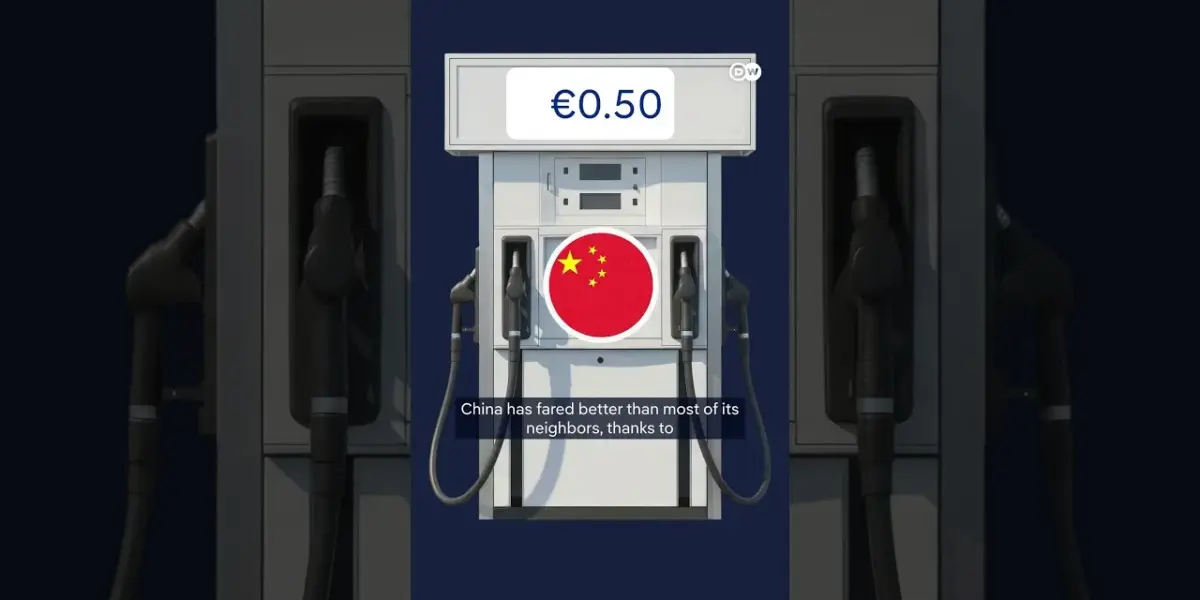
China has managed the crisis better than many of its neighbors. This success is largely due to its substantial strategic oil reserves and a strong electric vehicle (EV) market. The nation also benefits from a diversified energy profile, reducing its dependence on volatile global oil markets.
For years, China has been stockpiling cheaper oil, including sanctioned supplies from Iran and Russia. Even small, independent refineries continue to process Iranian crude, adding to the country’s energy security.
Europe Implements Tax Cuts and Employer Incentives
Across Europe, the impact of rising energy costs is stark. Average petrol prices have climbed by 15%, while diesel prices have surged by 30%.
Germany is temporarily reducing its energy tax, which is expected to save drivers up to 17 cents per liter at the pump. The German government is also encouraging employers to offer tax-free bonuses to their workers, providing another avenue for financial relief.
India Maintains Stable Prices Through Controls and Increased Imports
India, despite relying on imported crude for nearly 90% of its needs, has managed to keep fuel prices relatively stable. This stability is achieved through a combination of government price controls and adjustments to duties. The nation has also significantly increased its imports of oil from Russia and Iran, leveraging alternative supply sources to manage domestic costs.
United States Focuses on Production and Reserve Releases
In the United States, drivers are experiencing skyrocketing prices at the gas pump. However, the federal government has not introduced direct financial relief measures for consumers.
Instead, the U.S. strategy centers on supply-side actions to create a buffer against price shocks. This includes efforts to boost domestic oil production and strategic releases from the nation’s petroleum reserves.
Looking Ahead: Continued Monitoring and Policy Adjustments
As the global oil crisis continues, governments worldwide will likely keep a close watch on market dynamics and geopolitical events. Further policy adjustments and innovative solutions may emerge as nations strive to balance energy security with economic stability for their populations. The effectiveness of these varied approaches will be crucial in shaping the global energy landscape in the coming months.
Source: How governments worldwide are tackling the oil crisis | DW News (YouTube)

Related Articles
Iran Nuclear Talks Collapse: Blockade Looms, Prices Soar
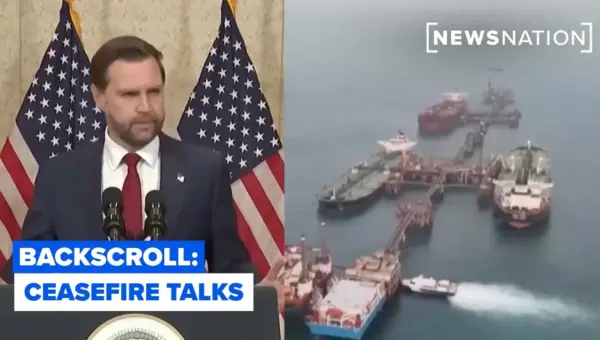
U.S.-Iran nuclear talks have failed, leading President Trump to announce a naval blockade of the Strait of Hormuz. The breakdown centers on Iran's commitment to nuclear non-proliferation. This action is expected to cause significant increases in global fuel and air travel prices.
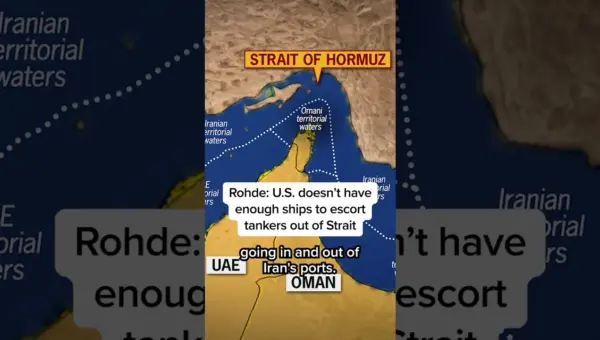
US Navy Lacks Ships to Secure Key Oil Route
The U.S. Navy lacks sufficient ships to escort oil tankers through the critical Strait of Hormuz, according to senior national security reporter David Rohde. This shortage impacts efforts to ensure global oil flow and stabilize energy prices. The situation highlights broader challenges in U.S. maritime strategy and fleet readiness.


Gas Prices Soar, Americans Brace for Economic Pain
Millions of Americans are facing significant financial strain as gas prices soar due to global energy disruptions and conflicts. Experts predict that these high prices will persist for years, impacting personal finances and contributing to fears of a global recession. The situation presents major political challenges and could affect the U.S. standing on the world stage.