Trump Claims Iran Deal: A Leap of Faith or Risky Gamble?
President Trump claims Iran has agreed to surrender its enriched uranium, potentially ending the war. However, skepticism remains high due to Iran's history of deception, and significant military movements suggest conflict is still a strong possibility. The situation is fluid, with verification and trust being key.

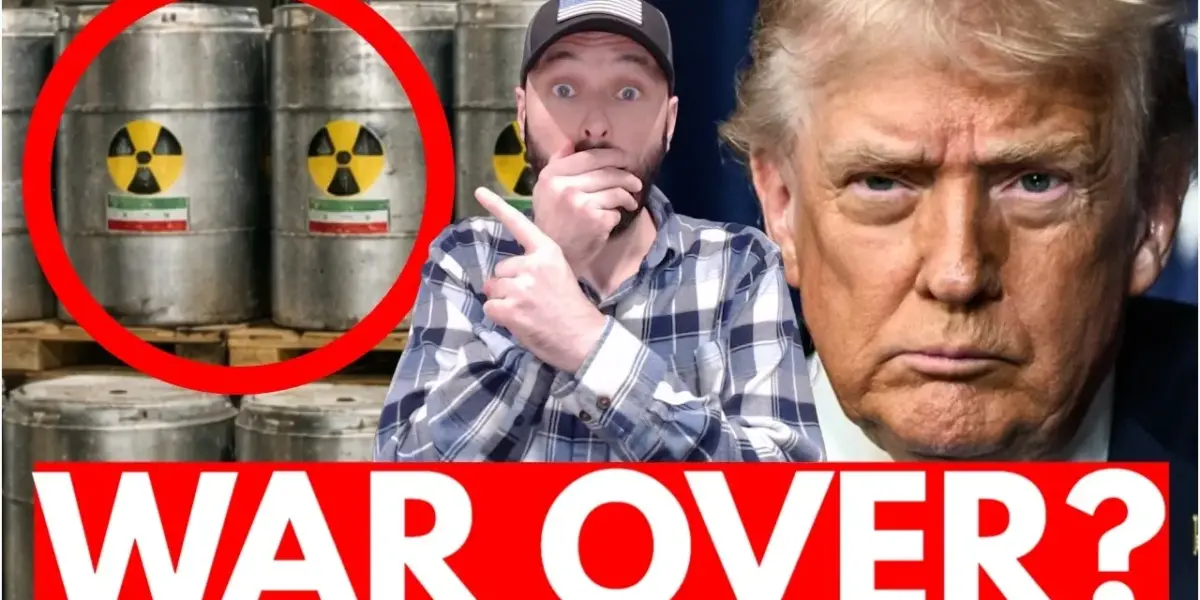
Trump Claims Iran Deal: A Leap of Faith or Risky Gamble?
President Trump recently announced a significant development in Middle East tensions, stating that Iran has agreed to give up its highly enriched uranium. This claim, made on April 16th, suggests a potential pathway to ending the ongoing conflict. However, the announcement immediately raises questions about trust and verification, especially given Iran’s history.
Speaking to reporters, Trump expressed confidence that Iran would hand over the materials needed for nuclear weapons. He emphasized that preventing Iran from acquiring a nuclear weapon is crucial to avoiding further global problems. According to the President, Iran has agreed to this, even promising to give up what he called “nuclear dust”.
Skepticism Over Iranian Promises
Despite the President’s optimism, a strong current of skepticism runs through the situation. The core issue is whether Iran can be trusted to uphold such an agreement. For decades, the Iranian regime has a documented history of deception, making any promises difficult to accept at face value.
True assurance would require independent verification. Without international inspectors, including those from the United States, being allowed full access, there’s no concrete way to confirm that all enriched uranium has been surrendered. This need for oversight is paramount, even if Trump suggests Iran has agreed to cease further enrichment.
Conflicting Statements and Military Posturing
Adding to the confusion, President Trump’s statements have appeared to contradict each other. He has spoken of Iran agreeing to give up all enriched uranium, while also floating the idea of a 20-year ban on enrichment. This creates uncertainty about the exact terms of any potential deal.
The President also described a positive relationship with Iran, attributing it to a combination of bombing campaigns and a strong naval blockade. He suggested that Iran’s military capabilities have been severely degraded, leaving them with little defense. This claim of having “nothing” left contrasts sharply with the ongoing military preparations.
New Leadership and Unseen Players
Trump’s assertion that Iran’s new leaders are “very reasonable” also warrants scrutiny. Reports suggest that the most hardline elements within Iran, specifically the IRGC, are now in firm control. These extremist factions are known for their uncompromising stance, making it unclear who exactly the President is referring to as reasonable.
Without specific identification of these new, supposedly reasonable leaders, it’s difficult to assess the validity of Trump’s claim. Public evidence supporting this assertion remains scarce, leaving many to wonder about the true nature of the negotiations and the individuals involved.
The Threat of Resuming Conflict
The situation remains precarious, with the possibility of renewed fighting if negotiations fail. President Trump has explicitly stated that if no deal is reached, the fighting will resume. This warning is underscored by significant military movements on the ground.
The United States is deploying B1 and B52 bombers to the region, while also restocking naval vessels with weapons. Thousands of additional troops are being sent to the area. These actions suggest that while a ceasefire might be in place, the infrastructure for escalating conflict is being actively prepared.
Israel’s Unease and Covert Operations
Meanwhile, a reported ceasefire between Israel and Lebanon, announced by Trump, has caused significant consternation within Israel. Reports indicate that Israeli ministers were outraged by the President’s announcement of consent before their security cabinet had approved it.
Adding another layer of complexity, Israel’s elite naval unit, Shayetet 13, reportedly conducted a long-range secret mission near Iran during the conflict. The Israeli Navy also confirmed a submarine deployment operating at its furthest distance ever. These covert actions highlight the broader regional tensions and Israel’s proactive stance against Iranian influence.
Blockades and Shifting Alliances
In the Strait of Hormuz, a U.S.-imposed blockade has turned back 14 vessels attempting to export Iranian oil. This action demonstrates the economic pressure being applied to Iran.
Separately, the U.S. Army has fully withdrawn its forces from Syria after an 11-year presence, handing over its last base to the Syrian army. This withdrawal leaves only a small security detail at the U.S. embassy in Damascus, marking a significant shift in American military posture in the region.
Why This Matters
The potential deal with Iran, if it holds, could dramatically alter the geopolitical landscape of the Middle East. It addresses the immediate threat of Iran acquiring nuclear weapons, a development that would destabilize the region and pose significant risks to global security. However, the effectiveness and sincerity of such an agreement hinge entirely on verifiable actions, not just promises.
The ongoing military preparations and the conflicting statements from various parties suggest a high degree of uncertainty. The situation demands careful observation of actions on the ground rather than relying solely on diplomatic pronouncements. The decisions made in the coming days will have far-reaching consequences for regional stability and international relations.
Trends and Future Outlook
This situation reflects a broader trend of complex, multi-layered diplomacy often accompanied by military posturing. The reliance on blockades, aerial power, and covert operations highlights the modern tools of statecraft being employed. The future outlook remains uncertain, with a delicate balance between de-escalation and the potential for swift military action.
The effectiveness of economic sanctions and military pressure as negotiation tools is being tested. The willingness of Iran to potentially concede on its nuclear program, under duress, could embolden similar strategies in future international disputes. Conversely, a failure to verify and enforce any agreement could lead to a dangerous arms race.
Historical Context
The current tensions are rooted in decades of animosity between the United States and Iran, particularly following the 1979 Iranian Revolution. The nuclear program has been a central point of contention, leading to international sanctions and near-constant diplomatic maneuvering. Previous agreements, like the Joint Comprehensive Plan of Action (JCPOA), have aimed to curb Iran’s nuclear ambitions, but have faced significant challenges and withdrawals.
The history of failed or strained diplomatic efforts highlights the difficulty of reaching lasting agreements with Iran. The current situation, with its blend of claimed breakthroughs and visible military readiness, echoes past periods of high tension and uncertain outcomes. The memory of past conflicts and the strategic importance of the Persian Gulf region always loom large.
The Path Forward
As of April 16th, President Trump claims Iran will surrender its enriched uranium. However, the movement of bombers and troops indicates that military options remain very much on the table. The coming days will be critical in determining whether this is a genuine step towards peace or a temporary pause before renewed hostilities.
The world watches to see if Iran’s promises translate into verifiable actions. The response from international bodies and regional powers will be crucial in shaping the outcome. All eyes are on the Strait of Hormuz and the broader Middle East.
Source: BREAKING: Trump Announces Iran War BOMBSHELL – Will It Hold? (YouTube)

Related Articles

Trump Predicts Lebanon-Israel Peace Deal in Two Weeks
Former President Donald Trump believes a peace agreement between Lebanon and Israel could be finalized within two weeks. He suggests that direct talks, the first in 44 years, might occur at the White House. Trump expressed confidence in securing a deal that could also address the issue of Hezbollah.
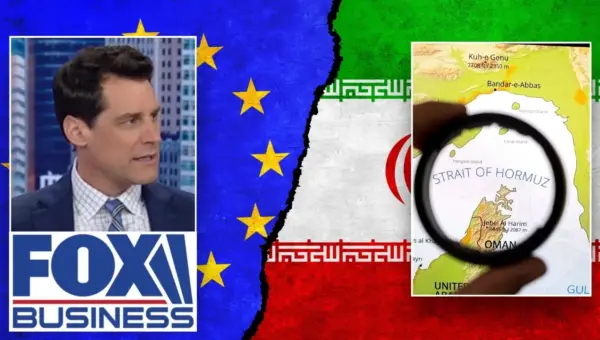
Markets Rally as Iran Sanctions Tighten, Europe Faces Fuel Shortage
Markets are rallying strongly despite geopolitical tensions and a critical European jet fuel shortage. The U.S. has tightened sanctions on Iran, impacting its maritime trade, while prediction markets favor a resolution by May or June. Investors are advised to maintain a long-term view amidst this complex global environment.

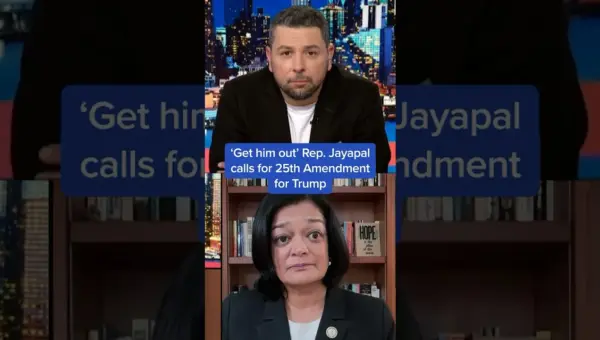
Jayapal Demands Trump Ouster Via 25th Amendment
Representative Pramila Jayapal is calling for President Trump's removal from office using the 25th Amendment. She cited his handling of Iran policy as 'illegal' and 'immoral,' joining other Democrats who question his actions. The 25th Amendment allows for a president's removal if deemed unable to perform their duties.