Pope Slams Trump’s ‘Tyrants’ Amidst Religion Row
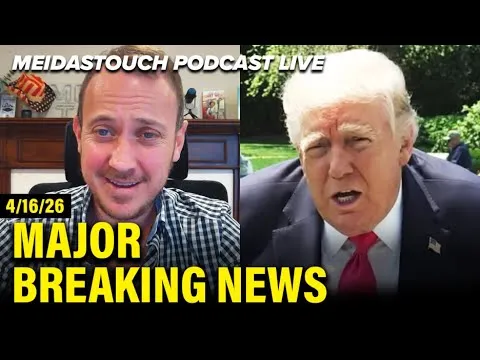
Pope Leo XIV has publicly criticized "tyrants" and the misuse of religion for political gain, sparking backlash from Donald Trump and his allies. The podcast hosts discuss this conflict, arguing that some politicians exploit faith as a "grift." This clash highlights the growing tension between religious authority and political power.

Pope Slams Trump’s ‘Tyrants’ Amidst Religion Row
A growing conflict is emerging between religious figures and political leaders, particularly concerning Donald Trump and his supporters. The Pope has spoken out against what he calls “tyrants” and those who “manipulate religion” for personal gain. This comes as Saudi Arabia reportedly withdraws funding from the LIV Golf League, a move seen as a direct challenge to Trump.
Pope Leo XIV, the first American Pope, recently delivered a powerful speech in Cameroon. He condemned those who use faith for political or economic advantage, a clear jab at leaders employing religious rhetoric to justify actions.
His words also touched on the suffering caused by war, noting that while destruction is quick, rebuilding takes a lifetime. This stance has drawn sharp criticism from Trump and his allies, who accuse the Pope of meddling in politics.
Trump’s Allies Attack Pope
Supporters of Donald Trump have launched a strong counter-attack against Pope Leo XIV. They argue that when a religious leader enters the political arena, they should expect a political response. Figures like Mike Johnson and Alise Stefaniak have suggested the Pope should not comment on political matters.
Pete Hegseth, a prominent Trump supporter, even compared the press covering war crimes to the Pharisees in the Bible, suggesting Donald Trump performs miracles by taking military action. This interpretation has been widely criticized as a distortion of religious teachings, with some pointing out that Hegseth even quoted a line from the movie Pulp Fiction, mistaking it for a Bible verse during a Pentagon sermon.
“Blessed are the peacemakers, but woe to those who manipulate religion in the very name of God for their own military, economic, or political gain, dragging that which is sacred into darkness and filth.”
Pope Leo XIV
The ‘Grift’ of Religious Politics
The podcast hosts discussed how some political figures, particularly those aligned with Trump, appear to use religion as a tool for political gain and fundraising. They described this as a “grift,” where religious symbols and rhetoric are manipulated to build support and personal wealth.
This tactic is seen as particularly effective because religion often inspires strong emotions and loyalty. By co-opting religious language, politicians can create a sense of shared identity and purpose with their followers, making them more receptive to political messages. This approach can also be used to divide opposing groups and consolidate power.
Historical Parallels and Authoritarian Tactics
The discussion drew parallels between current attacks on the Pope and historical instances of authoritarians targeting religious leaders. Such actions are often seen as attempts to intimidate or discredit figures who challenge their authority.
The hosts also touched on Donald Trump’s negotiation style, describing it not as a way to find common ground, but as a method of deception and domination. This approach, they argued, involves luring people into a false sense of agreement before exploiting their trust for personal advantage.
Why This Matters
The conflict highlights a dangerous trend of using religion as a political weapon. When faith is twisted to justify war, division, or personal gain, it erodes trust and undermines the core values of compassion and empathy that many religions promote.
The Pope’s willingness to speak out against “tyrants” and the misuse of religion is significant. It shows that even in the face of political pressure, religious leaders can play a vital role in speaking truth to power and advocating for peace and justice.
Future Outlook
The ongoing tension between religious and political rhetoric suggests that these debates will continue. The way figures like Pope Leo XIV and Donald Trump engage with faith and politics will likely shape public discourse and influence how people view the role of religion in society.
As congressional hearings resume and international relations evolve, the intersection of faith, politics, and finance will remain a critical area to watch. The actions of leaders and their use of influential symbols will continue to be scrutinized.
The Midas Touch Network is preparing to cover upcoming congressional hearings, bringing news directly from Capitol Hill. Details about specific hearings and developments are expected soon.
Source: LIVE: MeidasTouch RESPONDS to MAJOR BREAKING NEWS – 4/16/26 (YouTube)

Related Articles
GOP Faces Midterm Meltdown as Trump’s Woes Mount
Republicans are reportedly in a state of panic over the upcoming midterm elections, as Donald Trump's record-low approval ratings and persistent distractions are overshadowing their efforts. A combination of economic woes, foreign policy stumbles, and internal party conflicts are creating significant challenges for the GOP as they approach a crucial election cycle.
Tulsi Gabbard Refers Whistleblower for Criminal Probe
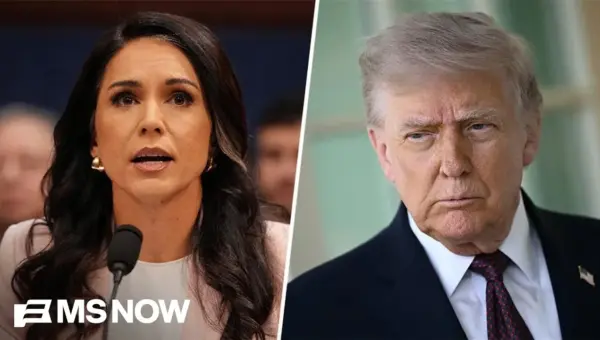
Director of National Intelligence Tulsi Gabbard has reportedly sent criminal referrals to the Justice Department concerning a former intelligence community inspector general and a whistleblower. The whistleblower's complaint was key to Donald Trump's first impeachment. Critics view this move as part of a pattern of alleged political retribution and a potential undermining of whistleblower protections.
Trump Pushes ‘No Tax on Tips’ Amid Economic Woes
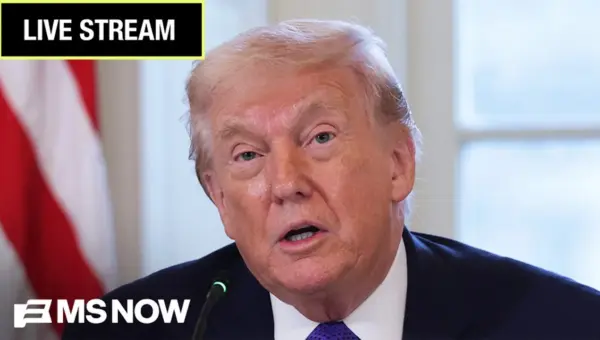
Former President Donald Trump hosted a roundtable to champion his proposal of eliminating federal taxes on tips. He linked this idea to providing relief amidst high gas prices and ongoing international conflicts. The event featured service industry workers who shared their support for the tax cut plan.