Ceasefire Ignites Hope Amidst Global Tensions
A 10-day ceasefire between Israel and Lebanon, including Hezbollah, has been announced following White House talks. Meanwhile, the U.S. naval blockade against Iran, Operation Economic Fury, continues, aiming to pressure Iran over its nuclear program. Iran has reportedly agreed to give up enriched uranium and forgo nuclear weapons.

Ceasefire Ignites Hope Amidst Global Tensions
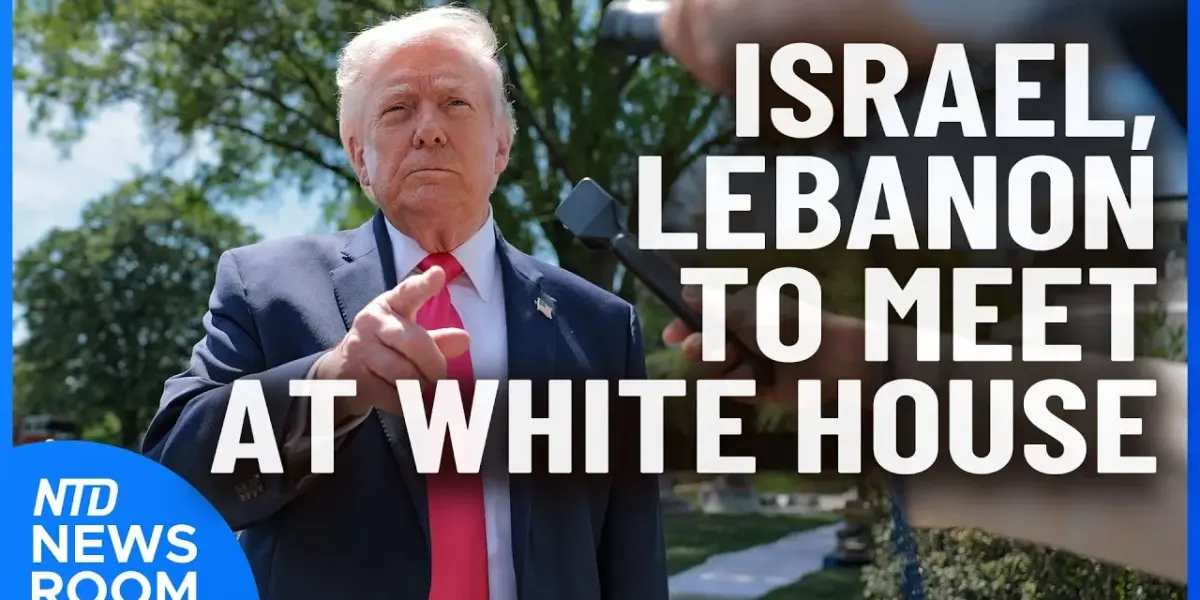
President Trump has announced a significant 10-day ceasefire between Israel and Lebanon. This agreement follows a historic meeting in Washington D.C.
And includes Hezbollah. The White House is calling this a major step towards lasting peace.
The ceasefire comes as the U.S. naval blockade against Iran, known as Operation Economic Fury, continues. Military leaders explained how this blockade targets Iran while still supporting American allies in the Gulf region. This operation aims to increase financial pressure on the Iranian regime.
A New Era for Israel and Lebanon?
President Trump shared the news of the ceasefire via his Truth Social account. He stated that both Israeli Prime Minister Benjamin Netanyahu and Lebanese President Joseph Ayun agreed to the 10-day truce. This agreement is set to begin at 5:00 p.m.
EST on Tuesday. The meeting itself was historic, marking the first time the two nations’ leaders have met in Washington D.C.
In 34 years. The President has directed Vice President JD Vance and Secretary of State Marco Rubio, along with Chairman of the Joint Chiefs of Staff Dan Kaine, to work towards a permanent peace.
This development is particularly noteworthy given the historical context of conflict between Israel and Lebanon, often involving Hezbollah. The inclusion of Hezbollah in the ceasefire is a critical element. The President expressed optimism, suggesting this effort could be his tenth successful resolution of a conflict.
Iran’s Nuclear Deal and the Naval Blockade
On the international front, Iran has reportedly agreed to give up its enriched uranium, referred to as nuclear dust, to the United States. The White House also stated that Iran has committed to not possessing nuclear weapons beyond 20 years. This agreement comes as Operation Economic Fury, the U.S. naval blockade, is in full effect, aiming to cripple Iran’s economy.
Military leaders detailed the blockade’s strategy. It focuses on Iran’s ports and coastline, not the Strait of Hormuz itself. The goal is to restrict Iran’s ability to export oil and import necessary goods, including weapons.
General Dan Kaine explained that enforcement occurs within Iran’s territorial seas and international waters. Any vessel attempting to support Iran, including those in the dark fleet carrying Iranian oil, will be pursued.
So far, 14 vessels heading to or from Iran have been turned around since the blockade began. The U.S. has not yet had to board any ships. The effectiveness of the blockade is seen in the restricted traffic through the Strait of Hormuz, which is crucial for global oil transport.
“The blockade has been incredible. It’s been it’s held.
They’re not doing any business. They’re unable to do any business because of the blockade.”
President Trump
Economic Impact and Global Concerns
The naval blockade is designed to exert significant economic pressure on Iran. A sustained blockade could prevent Iran from selling its oil and importing goods, including military arms.
This could be devastating for the Iranian economy. However, experts caution that Iran’s leadership may tolerate hardship to maintain power.
The situation has global implications, particularly for energy markets. Traffic through the Strait of Hormuz remains restricted, impacting oil tanker movement.
Europe, in particular, faces potential jet fuel shortages, with estimates of only six weeks of supply remaining if the waterway remains blocked. This highlights the delicate balance of global energy security.
The U.S. military’s strategy emphasizes its superior naval power. Secretary of War Pete Hegseth stated that the U.S. Navy controls traffic in the Strait of Hormuz, while Iran lacks the capability. He also referred to Iran’s threats against commercial shipping as piracy and terrorism.
Domestic Political Developments
Beyond foreign policy, domestic issues were also discussed. Treasury Secretary Scott Bessend highlighted the success of President Trump’s tax cuts, with over 53 million Americans claiming at least one cut, and an average refund of over $3,400.
Acting Attorney General Todd Blanch is investigating a report on the alleged weaponization of the Justice Department under the previous administration. The report suggests prosecutors withheld evidence in cases against pro-life protesters and that the Biden administration enforced the FACE Act in a biased manner.
HHS Secretary Robert F. Kennedy Jr. testified before the House Ways and Means Committee.
He addressed questions regarding vaccine messaging and the department’s budget. The discussion also touched upon the rising rates of chronic disease in the U.S. and the importance of prevention, diet, and nutrition counseling.
Intelligence and Whistleblower Concerns
Director of National Intelligence Tulsi Gabbard has referred the whistleblower connected to President Trump’s 2019 impeachment to the Justice Department for criminal investigation. Declassified intelligence suggests the whistleblower may have misled investigators and acted with political bias. This action follows concerns about how the original complaint was handled.
The documents indicate potential collusion between members of the intelligence community and House Democrats. This raises questions about the integrity of the impeachment process. The Inspector General at the time, Michael Atkinson, is also being referred for investigation, accused of failing to conduct due diligence and mischaracterizing the President’s actions.
Why This Matters
The announced ceasefire between Israel and Lebanon, though temporary, offers a glimmer of hope in a volatile region. It demonstrates that diplomatic engagement, even between long-standing adversaries, can yield positive results. The U.S. role in facilitating these talks highlights its influence in international diplomacy.
The pressure campaign against Iran, through Operation Economic Fury and the naval blockade, represents a significant shift in U.S. foreign policy. The success of such measures in compelling Iran to abandon its nuclear ambitions and engage in good-faith negotiations will be closely watched. The potential economic fallout, both for Iran and for global energy markets, highlights the interconnectedness of international security and economic stability.
Domestically, the discussions around tax policies, the Justice Department’s actions, and healthcare priorities reflect ongoing debates about the role of government and its impact on citizens’ lives. The investigation into the 2019 impeachment whistleblower also brings renewed attention to the processes and potential biases within intelligence and justice systems.
Looking Ahead
The coming days will be crucial in determining the longevity of the Israel-Lebanon ceasefire and the progress of negotiations with Iran. The effectiveness of the naval blockade in achieving U.S. objectives remains a key point of analysis. The international community will be observing closely to see if these developments lead to sustained peace and a de-escalation of tensions.
The U.S. continues to push for diplomatic solutions while maintaining military readiness. The emphasis on intelligence and the investigation into potential misconduct within government agencies suggest a focus on accountability and transparency. The next steps in these complex geopolitical and domestic issues will unfold in the weeks and months ahead.
Source: Israel & Lebanon To Meet At WH; Iran Agrees To Give Up Nuclear Material | NTD Newsroom (April 16) (YouTube)

Related Articles
US Blockades Iran’s Oil: Economic Fury Unleashed
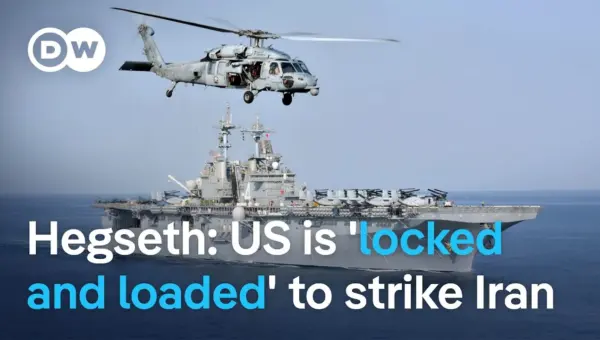
The United States has imposed a naval blockade on Iran's ports, intensifying economic pressure by targeting the country's vital oil exports. This move, part of "Operation Economic Fury," aims to cripple Iran's revenue streams and force concessions. Experts warn the blockade could severely choke off Iran's economy, impacting its ability to fund government operations and potentially leading to internal instability.

US Blockade Gains Traction as Middle East Tensions Ease
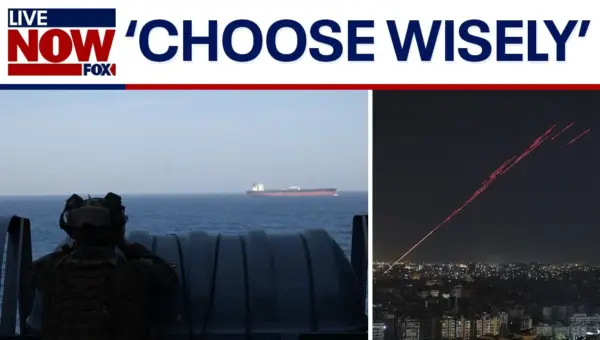
The U.S. is maintaining a firm blockade on Iranian ports, effectively cutting off oil revenue and pushing Iran toward negotiations. A new ceasefire between Israel and Lebanon has added to diplomatic optimism. Markets are reacting positively to the potential for a de-escalation, with major indexes hitting record highs.

Trump Claims Iran Deal: A Leap of Faith or Risky Gamble?
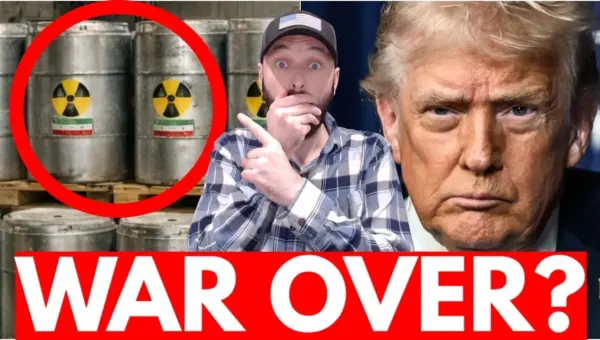
President Trump claims Iran has agreed to surrender its enriched uranium, potentially ending the war. However, skepticism remains high due to Iran's history of deception, and significant military movements suggest conflict is still a strong possibility. The situation is fluid, with verification and trust being key.