Iran Nuclear Talks Collapse: Blockade Looms, Prices Soar
U.S.-Iran nuclear talks have failed, leading President Trump to announce a naval blockade of the Strait of Hormuz. The breakdown centers on Iran's commitment to nuclear non-proliferation. This action is expected to cause significant increases in global fuel and air travel prices.

Iran Nuclear Talks Collapse: Blockade Looms, Prices Soar
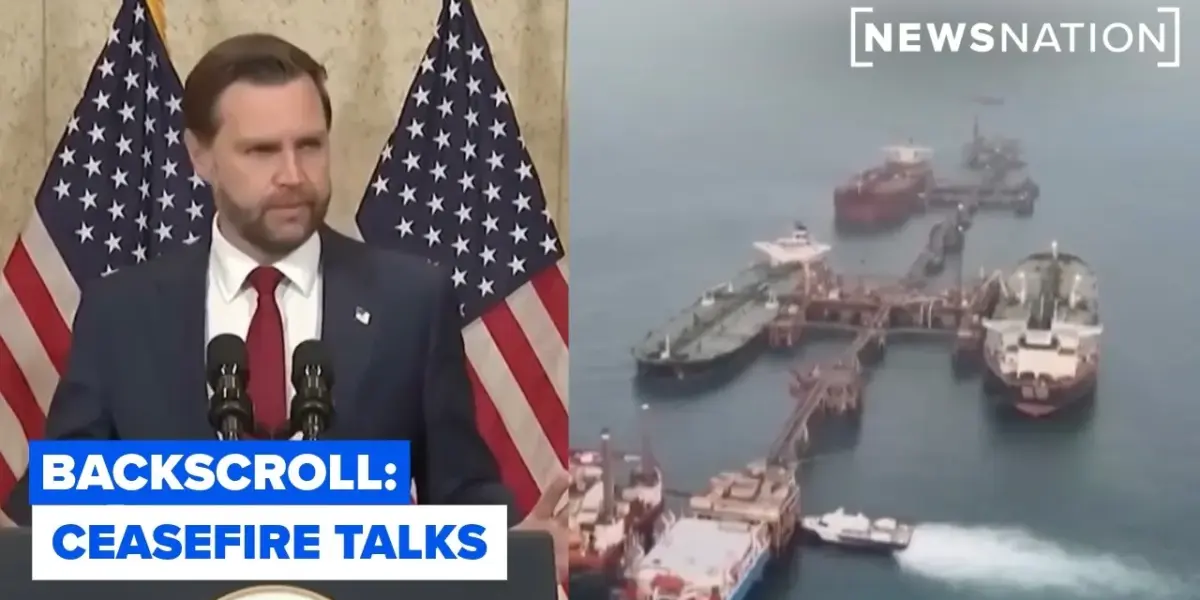
Negotiations between the United States and Iran aimed at securing a nuclear deal have failed. After 21 hours of talks in Pakistan, Vice President Vance announced that no agreement was reached.
The core issue, Vance stated, was Iran’s refusal to provide a clear, long-term commitment against developing nuclear weapons and the tools needed for them. The U.S. presented a final offer, but Iran’s terms were not accepted.
The Iranian foreign ministry spokesperson acknowledged understanding on some issues but cited significant disagreements on two or three crucial points. Trust remains a major obstacle between the two nations. This breakdown follows recent military actions, with both sides warning they are prepared for renewed conflict if a ceasefire fails.
Strait of Hormuz Becomes New Flashpoint
In response to the failed talks, President Trump announced a naval blockade of ships entering or leaving the Strait of Hormuz. This critical global waterway handles a significant portion of the world’s oil supply. The U.S. Navy will enforce this blockade, aiming to increase pressure on Iran.
This move comes as two American destroyers completed mine removal operations in the Strait of Hormuz, a significant step toward restoring freedom of navigation. Iran has denied these operations occurred, insisting that passage requires Iranian military permission.
Economic Fallout: Airfares and Fuel Prices Spike
The blockade announcement has immediate economic consequences, particularly for air travel. Average domestic airfare has risen significantly, with further increases expected. Major airlines have also increased baggage fees, and some are cutting less profitable flights due to rising fuel costs.
Experts warn that ticket prices may remain high, especially with strong summer travel demand. The situation in the Strait of Hormuz directly impacts jet fuel exports from the Middle East, leading to higher prices for consumers.
Differing Strategies: Diplomacy vs. Force
Former National Security Advisor John Bolton believes Iran will never negotiate away its nuclear program, calling the ceasefire a mistake. He supports Trump’s blockade decision and advocates for using military force to reopen the Strait of Hormuz and blockade Iranian oil. Bolton sees regime change in Iran as a key goal that would benefit the U.S. and Gulf Arab nations, while negatively impacting China and Russia.
General Wesley Clark, former Supreme Allied Commander Europe, suggests that while Iran holds the strategic initiative, mediation efforts are likely. He believes the U.S. must resolve the situation to maintain its global leadership and deterrence. Clark emphasizes that rising gas prices should not overshadow national security concerns regarding Iran’s regime.
Historical Context and Future Outlook
The U.S. and Iran have not had face-to-face meetings since 1979. The current situation echoes historical tensions over international waterways and nuclear proliferation. The U.S. has historically guaranteed passage through strategic choke points, though it has not ratified a specific UN agreement, allowing it to take such actions without violating international law.
The blockade is expected to last for weeks, as neither side can easily capitulate. International pressure may mount, especially from China and India, who rely heavily on oil passing through the Strait. The coming days will reveal whether diplomacy or continued economic and military pressure will lead to a resolution, with the potential for further escalation if the Strait of Hormuz is contested.
Why This Matters
The collapse of nuclear talks and the subsequent naval blockade have far-reaching implications. They directly affect global energy markets, contributing to higher fuel and travel costs worldwide. The situation also highlights the complex geopolitical dynamics between the U.S., Iran, and other major powers like China and Russia.
The ongoing tensions highlight the persistent threat of nuclear proliferation and the challenges of achieving lasting diplomatic solutions in volatile regions. The decisions made in the coming weeks will shape regional stability and international relations for the foreseeable future.
Looking Ahead
The focus now shifts to the enforcement of the blockade and Iran’s response. International bodies like the IMF will be watching closely as countries navigate economic pressures. The U.S. appears prepared for a prolonged period of pressure, aiming to force Iran back to the negotiating table with more favorable terms.
The situation remains fluid, with both military and diplomatic avenues being explored. The next steps will be critical in determining whether the world moves closer to de-escalation or further into conflict, with significant economic and security consequences for all involved.
Source: Ceasefire fallout: debate grows over US strategy toward Iran | Backscroll (YouTube)

Related Articles

Iran’s Oil Sites Explode Amid Gunfights and Naval Threats
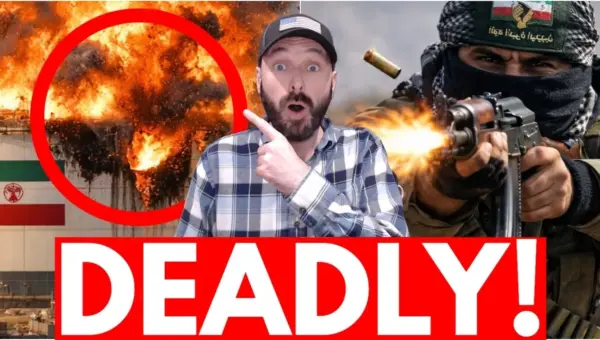
Mysterious explosions have hit Iran's oil infrastructure, raising concerns about sabotage. Meanwhile, IRGC officials were killed in a violent ambush, and Iran continues to threaten US naval forces. The US military remains on high alert, ready to resume operations if a ceasefire collapses.

US Signals Readiness to Strike Iran’s War Machine
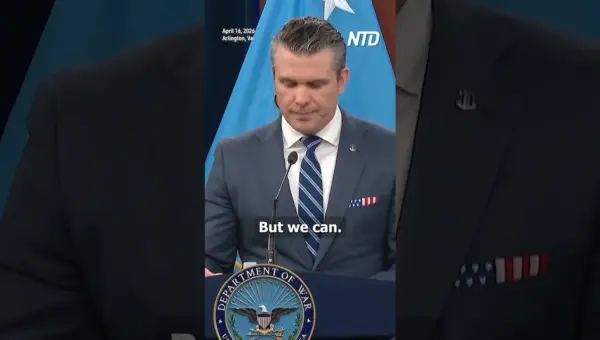
The U.S. military has issued a stern warning to Iran, stating that all their movements are being watched and that America is ready to restart combat if needed. Officials highlighted Iran's limited ability to repair its military, contrasting it with America's growing strength and superior intelligence.
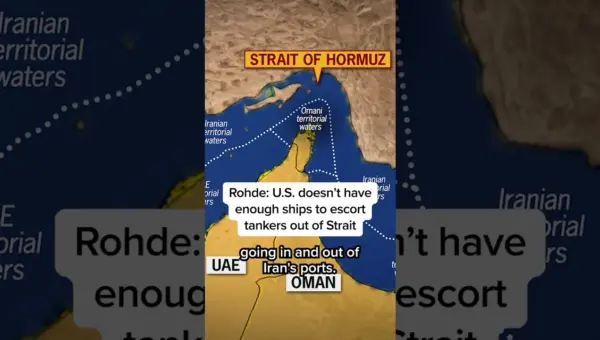
US Navy Lacks Ships to Secure Key Oil Route
The U.S. Navy lacks sufficient ships to escort oil tankers through the critical Strait of Hormuz, according to senior national security reporter David Rohde. This shortage impacts efforts to ensure global oil flow and stabilize energy prices. The situation highlights broader challenges in U.S. maritime strategy and fleet readiness.