New Poll Shows Majority Disapprove of Trump’s Job Performance
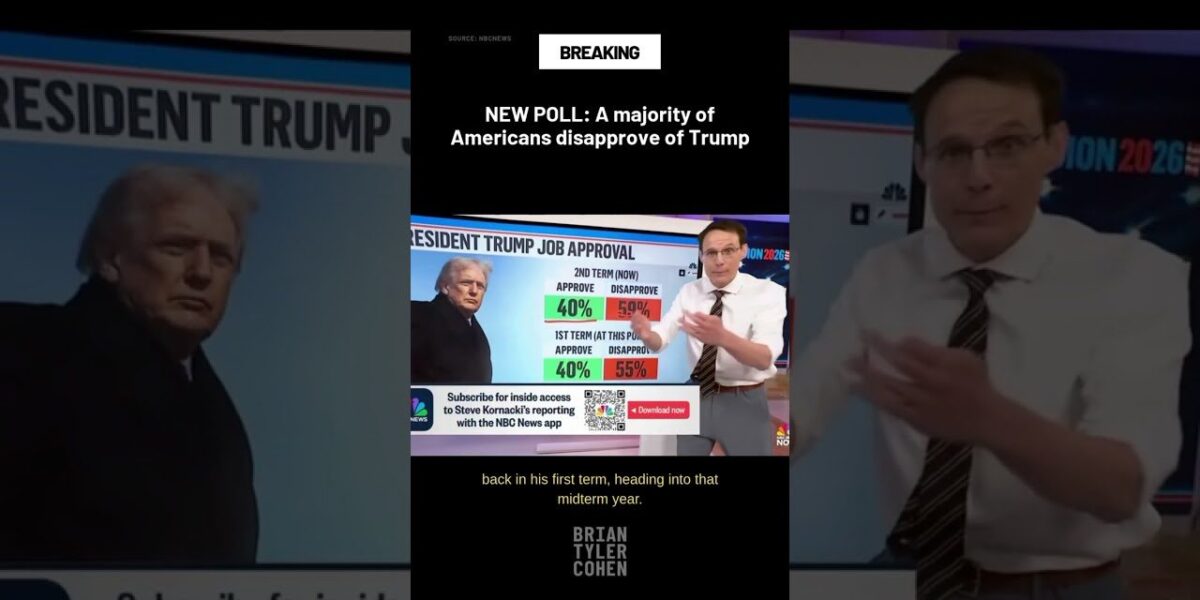
New polling data reveals that a majority of Americans disapprove of Donald Trump's job performance, with his approval rating at 40%. This mirrors his standing in 2018, heading into the midterm elections. Additionally, the generic ballot shows Democrats with a five-point advantage for congressional control, indicating a challenging environment for Republicans.

Majority Disapprove of Trump as November Election Nears
As the United States approaches the November elections, new polling data indicates a majority of Americans disapprove of former President Donald Trump’s job performance, mirroring his standing at a similar juncture in his first term. The latest averages from a series of polls reveal Trump’s job approval rating at 40%, with a majority expressing disapproval. This figure is strikingly similar to his approval rating in 2018, the year leading up to the midterm elections, when he also faced majority disapproval.
Generic Ballot Favors Democrats
Beyond Trump’s personal approval ratings, the sentiment extends to the broader political landscape, particularly concerning control of Congress. The generic ballot, which gauges voter preference for which party should control Congress, shows Democrats currently holding a five-point advantage over Republicans.
While this lead has slightly narrowed from a seven-point advantage seen at this point in 2018, it still represents a clear lead for the Democratic Party. This trend suggests that, irrespective of individual candidate dynamics, the electorate currently leans towards Democratic control of legislative bodies.
Deja Vu for Trump’s Political Standing
The data suggests a sense of déjà vu for Donald Trump’s political position. His current standing in public opinion polls, both in terms of personal job approval and the generic ballot for congressional control, bears a strong resemblance to his situation eight years prior. This recurring pattern raises questions about the long-term shifts in voter sentiment and the enduring challenges Trump faces in broadening his appeal beyond his core base.
Broader Implications for the Midterm Elections
The consistent trend of majority disapproval for Trump and the Democratic advantage on the generic ballot carry significant implications for the upcoming midterm elections. Historically, the party in power during a presidential term tends to face headwinds in midterm contests, often exacerbated by low approval ratings for the president.
The current polling suggests that Trump, despite no longer holding the presidency, continues to be a polarizing figure whose approval ratings are closely watched as an indicator of the broader political climate. The five-point lead for Democrats on the generic ballot, while slightly diminished from 2018, still indicates a challenging environment for Republicans seeking to gain or maintain control of Congress.
Voter Sentiment and Party Affiliation
The polling data highlights the persistent divisions within the American electorate. While Trump’s approval rating hovers around 40%, indicating a substantial portion of the population remains dissatisfied with his past performance, it also highlights a base of support that remains loyal. The generic ballot results further emphasize the partisan divide, with voters expressing a preference for one party over the other to lead Congress.
The slight reduction in the Democratic advantage could be attributed to a variety of factors, including shifting economic concerns, evolving voter priorities, or the specific dynamics of individual races. However, the overall picture remains one where Democrats hold a discernible edge in voter preference for congressional control.
Looking Ahead: What to Watch Next
As the election cycle progresses, all eyes will be on whether these trends continue to hold, shift, or intensify. Key factors to monitor will include further polling data, the impact of campaign events and rhetoric, and any significant developments on the national or international stage that could sway public opinion.
The performance of both parties in upcoming debates, policy announcements, and their ability to mobilize their respective bases will be crucial in determining the ultimate outcome of the November elections. The persistent parallels to 2018 suggest that the political landscape may be entering a period of sustained challenge for Donald Trump and the Republican Party, though the nuances of voter sentiment will undoubtedly continue to evolve.
Source: NEW POLL: A majority of Americans disapprove of Trump (YouTube)

Related Articles


Bolton Slams Trump’s Iran Policy as ‘Snake-Like’
John Bolton, former National Security Advisor, has strongly criticized former President Trump's Iran policy as "snake-like" and lacking a clear strategy. Bolton stated that Trump's decisions were often impulsive, undermining U.S. credibility and creating instability in the Middle East. He called for a more consistent and strategically grounded approach to foreign policy.

Trump Claims Presidential Call; Four Denials Emerge
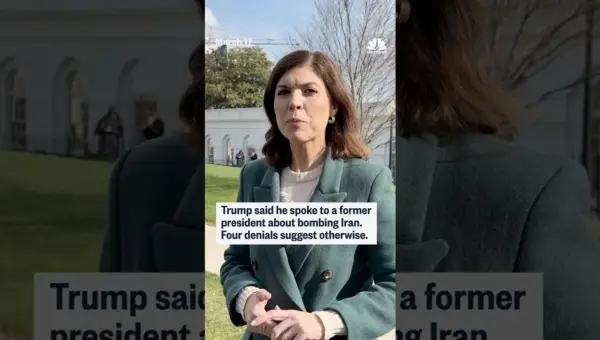
Former President Donald Trump claimed he spoke with a past president who regretted not taking a certain action, implying approval of his own policies. However, aides for George W. Bush, Bill Clinton, Barack Obama, and sources close to Joe Biden have all denied any such conversations occurred. Trump has remained evasive when asked to identify the individual.


Trump Welcomes Irish Leader, Discusses Trade, Iran Tensions
President Trump welcomed Ireland's Taoiseach to the White House, discussing trade and the strong historical ties between the nations. The meeting also covered President Trump's views on Iran's military capabilities, his criticisms of NATO's support for U.S. initiatives, and upcoming foreign policy engagements.