Trump Signals Tough Stance on Iran, Ignores Political Pain
President Trump is taking a firm stance against Iran's nuclear program, signaling a willingness to endure potential political and economic costs. Despite concerns about rising gas prices and upcoming midterm elections, the administration prioritizes addressing the Iranian nuclear threat directly.

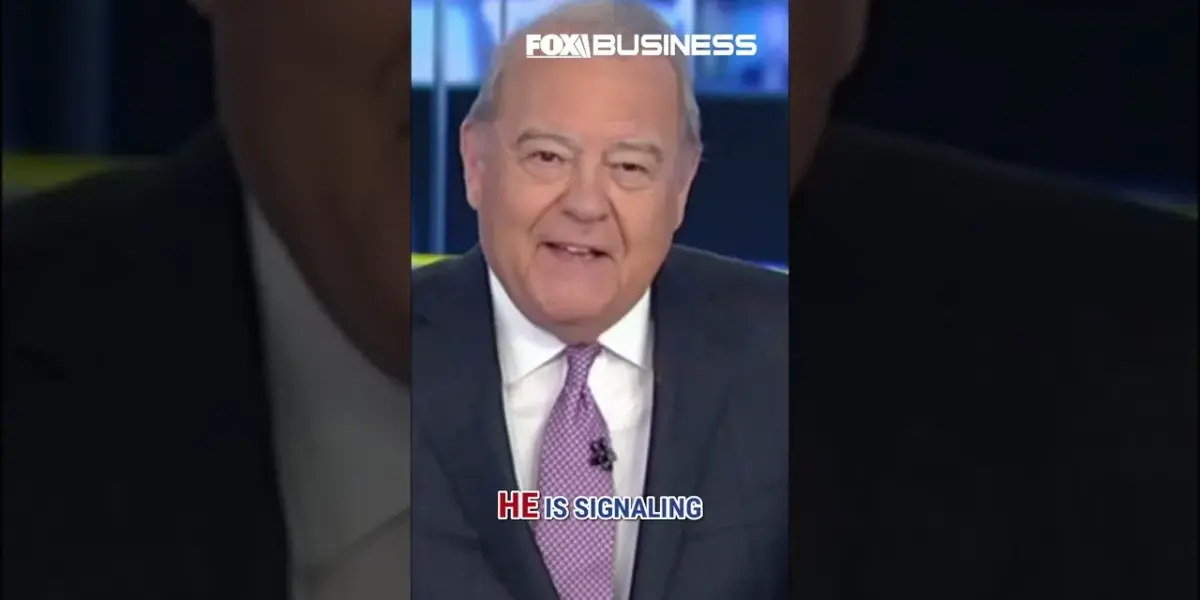
Trump Holds Firm on Iran Nuclear Threat, Defies Political Pressure
President Trump is signaling a resolute stance against Iran’s nuclear ambitions, refusing to make concessions that former administrations might have pursued. Unlike the Obama administration’s approach, which sought to negotiate with Iran through compromises, Trump is publicly stating that the Iranian nuclear threat will be addressed directly and without delay.
This firm position suggests Trump is not deterred by potential political fallout. The assertion that “this is not taco land” and that Trump “is not chickening out” highlights a deliberate choice to project strength. He is communicating to the world that Iran’s nuclear program will face consequences.
Economic and Political Crosswinds
The administration is aware that its current policies, including potentially higher energy costs, could impact public opinion. For instance, the prospect of gasoline prices remaining at $4 a gallon, rather than dropping to $3, signifies an acceptance of short-term economic pain. This indicates a willingness to endure these challenges for a larger strategic goal.
Recent polling data shows that 36% of voters approve of Trump’s handling of the ongoing conflict. This figure highlights the political tightrope the administration is walking. The upcoming midterm elections, just seven months away, present a significant challenge for the Republican party.
Strategic Priorities Over Short-Term Gains
Despite the awareness of voter sentiment and the looming midterms, the message from Trump’s team is clear: the perceived necessity of confronting Iran’s nuclear threat outweighs immediate political considerations. The administration appears to believe that dealing with the Iranian nuclear program now is a worthwhile endeavor, even if it risks alienating voters or complicating election prospects.
This approach suggests a long-term strategic focus, prioritizing national security concerns over the potential for short-term political gains or avoiding public disapproval. The administration is positioning itself as willing to accept the consequences of its actions on the domestic front to achieve its foreign policy objectives.
Market Impact: What Investors Should Know
Investors are closely watching how geopolitical tensions, particularly with Iran, can influence global markets. Fluctuations in oil prices are a direct consequence of instability in the Middle East, affecting everything from transportation costs to corporate earnings across various sectors. A prolonged period of elevated gas prices, as suggested, can dampen consumer spending, a key driver of economic growth.
The political calculus discussed—balancing foreign policy objectives with domestic electoral concerns—can also create market uncertainty. Investors often react to perceived political risks, which can lead to increased volatility in stock and bond markets. The administration’s willingness to face potential voter backlash suggests a commitment to its foreign policy, which could lead to sustained geopolitical friction.
The midterm elections are a critical juncture. The outcomes could signal shifts in economic policy, regulatory approaches, and international relations, all of which have implications for different industries. Investors will be looking for clarity on the administration’s long-term strategy and its potential impact on sectors like energy, defense, and international trade.
The administration’s current stance signals a potential for continued international pressure on Iran. This could involve economic sanctions or other forms of containment, which may have ripple effects on global supply chains and international business relationships. Investors should monitor these developments for potential impacts on their portfolios.
Looking Ahead
The coming months will reveal whether this assertive foreign policy approach yields the desired results concerning Iran’s nuclear program. The administration’s ability to manage both international relations and domestic political pressures will be closely scrutinized as the midterm elections draw nearer.
Source: Varney: Trump is not chickening out #shorts (YouTube)

Related Articles
Strait of Hormuz Blockade: Fueling Inflation at Home
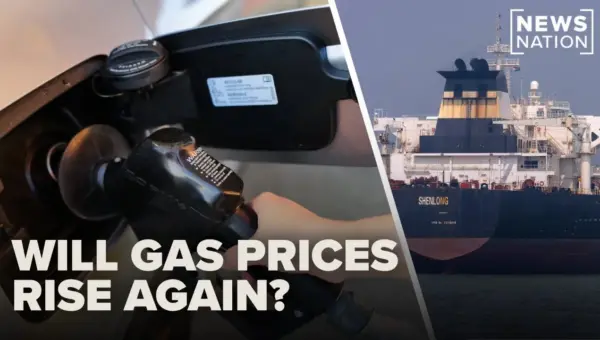
A potential blockade of the Strait of Hormuz by the U.S. is sending oil prices soaring and threatening to increase gas prices for consumers. This geopolitical tension also risks disrupting global fertilizer supplies, adding to existing inflation concerns.


Ukraine Offers Combat Aid to Mideast Allies
Ukraine, while engaged in its own war, has offered its combat experience to allies facing Mideast conflict. Some nations have accepted this offer of battle-tested knowledge, while others have declined. This move highlights Ukraine's strategic effort to leverage its hard-won insights as a valuable international asset.
Bitcoin Battles Key Support Amid Geopolitical Turmoil
Bitcoin is currently trading around the $70,000 mark, facing critical support as geopolitical tensions escalate. Analysts are closely watching oil prices and market volume for signs of sustainability in current price action. The altcoin market continues to struggle with scams and significant downturns.