Bee Venom’s Cancer Claims Debunked by Science
Viral social media claims suggesting honey bee venom can instantly cure breast cancer have been debunked by scientific evidence. While lab studies show melittin, a component of bee venom, damages cancer cells, experts stress this is far from a proven human treatment. Extensive preclinical and clinical research is still required before any potential medical applications can be considered.

Bee Venom’s Cancer Claims Debunked by Science
Social media users are sharing claims that honey bee venom can destroy 100% of breast cancer cells within minutes. These posts suggest a miraculous cure is readily available. However, experts and scientific studies confirm this claim is misleading and far from proven fact.
Breast cancer is a major global health concern. In 2022 alone, there were approximately 2.3 million cases worldwide, making it the second most common cancer. The viral social media posts, shared across various platforms and in multiple languages, offer a dangerously simplistic and false hope to those affected by this disease.
What the Science Actually Says
While the idea of bee venom curing cancer sounds appealing, the reality is more complex. Two studies, one from 2020 and another from 2024, did show that honey bee venom has strong effects in laboratory settings. These studies focused on melittin, the main active ingredient in the venom.
Researchers observed that melittin could rapidly damage certain aggressive breast cancer cells. Specifically, they saw disruptions to the cell membranes within just 60 minutes. This finding, while interesting, represents only a small piece of a much larger scientific puzzle.
Lab Results vs. Human Treatment
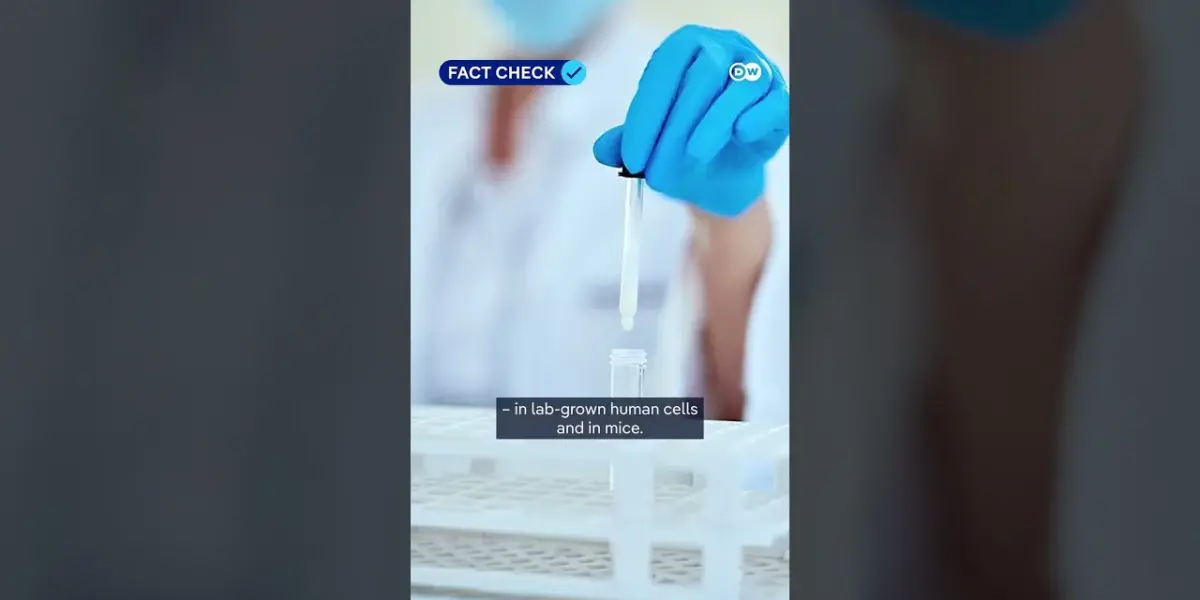
The crucial point is that these promising results come from lab tests. The venom was tested on human cells in a controlled lab environment and on mice.
This is often referred to as preclinical research. It’s a necessary first step in drug discovery, but it’s a long way from a proven treatment for people.
As one expert explained, “When something works in cell culture and kills cancer cells, that doesn’t mean it will work in humans. Much more research is still needed.” This highlights the significant gap between laboratory findings and real-world medical application. What affects isolated cells in a petri dish often behaves very differently inside a living organism.
The Long Road to Medical Approval
Before any substance can be considered a safe and effective medical treatment, it must undergo extensive testing. This includes further preclinical research to understand how it works and its potential side effects. Following that, rigorous clinical trials are necessary.
Clinical trials involve testing the substance on human patients. These trials are conducted in several phases to ensure safety and effectiveness.
Only after successfully completing these stages can a potential treatment be approved for widespread use. The research on bee venom is still in its very early stages, far from meeting these strict medical standards.
Misinformation and False Hope
The spread of unverified claims about bee venom as a cancer cure is harmful. It can lead people to abandon conventional medical treatments in favor of unproven remedies.
This can have devastating consequences for their health and well-being. Relying on such misinformation can delay or prevent effective treatment, reducing the chances of survival.
It is essential for the public to approach health claims, especially those found on social media, with critical thinking. Always consult with qualified medical professionals for reliable information about cancer treatment and diagnosis. Scientific progress takes time, and rigorous testing is vital for developing safe and effective medicines.
What’s Next for Bee Venom Research?
While bee venom is not a cancer cure, the scientific interest in melittin continues. Future research will focus on understanding its mechanisms more deeply and exploring its potential in carefully controlled studies. The scientific community remains committed to finding new ways to fight cancer, but this process requires patience, evidence, and adherence to strict scientific and medical protocols.
Source: Fact check: Can Honey Bees really "cure cancer"? | DW News (YouTube)

Related Articles


Trump’s Diet Soda Claim: A Joke or Dangerous Denial?
President Trump's alleged comment that diet soda kills grass and therefore cancer cells has sparked debate. While defended as a joke, critics worry about the normalization of health misinformation. This incident highlights the impact of public figures' words on health perceptions.


Doctor Rips Oz, Trump for ‘Lack of Seriousness’ on Health
A doctor has sharply criticized Donald Trump and Dr. Mehmet Oz for spreading health misinformation, calling their approach a "lack of seriousness." The doctor highlighted false claims about diet soda and cancer, and the dangers of appointing unqualified individuals to health agencies. He stressed the critical need for science-based leadership to ensure public well-being.
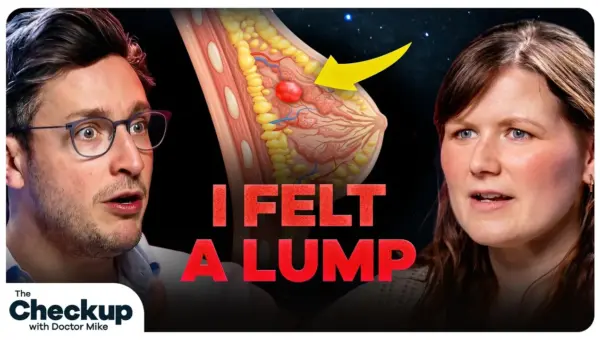
Astrophysicist Shares Breast Cancer Journey & Science Insights
Astrophysicist Dr. Becky Smethurst shares her breast cancer diagnosis journey and emphasizes the importance of evidence-based medicine over unproven treatments. She also discusses her passion for space and scientific discovery.