US Naval Blockade Tightens Grip on Hormuz
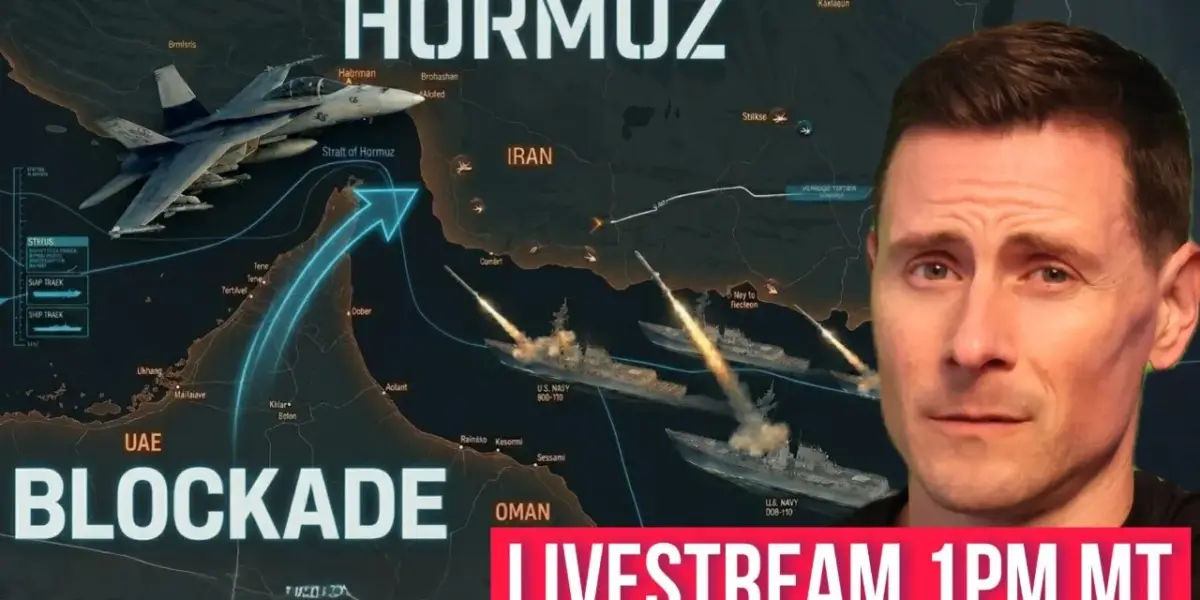
The United States has initiated a naval blockade in the Strait of Hormuz, a critical global energy chokepoint, potentially escalating regional tensions. This move aims to counter Iran's influence and control over vital shipping lanes, impacting global energy markets and trade. The strategy is viewed by some as a complex geopolitical maneuver to boost US energy independence and isolate Iran.

US Naval Blockade Tightens Grip on Hormuz
The United States has initiated a significant naval blockade in the Strait of Hormuz, a critical global energy chokepoint. This move follows earlier discussions and comes amid stalled ceasefire talks, raising concerns about a potential escalation of conflict in the region. The blockade aims to reassert control over international waterways, a long-standing objective stated by President Trump.
The Strait of Hormuz is a vital waterway, with roughly 21% of global oil and 20% of global liquefied natural gas passing through it daily. The daily cost of disruptions is estimated at $2.8 billion for oil and $0.9 billion for LNG. The United States’ action is seen by some as a strategic move to counter Iran’s influence and control over this vital passage.
Iran’s Tactics and Strategic Position
Iran has historically used its strategic position in the Strait of Hormuz to exert influence. The transcript suggests Iran has created minefields and uses tactics to force ships closer to its coastline, particularly near Lavan Island.
This allows for harassment of vessels by fast attack craft, effectively creating a tollbooth for ships passing through. This practice is described as a form of extortion, akin to mafia tactics.
The Iranian Revolutionary Guard Corps (IRGC) is highlighted as a key player. There is speculation that factions within the IRGC might be operating independently, potentially complicating negotiations and control. The IRGC’s ability to control or disrupt passage through the Strait of Hormuz is viewed as their primary leverage, allowing them to hold the international community hostage.
US Strategy and Potential ‘4D Chess’
President Trump’s stance emphasizes the need for open international waterways, stating, “All is At some point we will reach and all being allowed to go in. All being allowed to go out basis.” The current naval blockade is interpreted by some analysts as a strategic maneuver, potentially a “4D chess move.” This strategy might involve several layers of intent, including pressuring Iran, securing energy independence for the US, and influencing global energy markets.
A significant aspect of this alleged “4D chess” involves the US increasing its domestic oil production, particularly from states like Texas, Alaska, and North Dakota. California has also been prompted to reopen offshore drilling.
The goal appears to be weaning the US and allies off foreign oil, especially from regimes like Iran, and selling American energy to the global market, particularly Europe. This strategy also touches upon the US pursuit of energy independence through nuclear power, with a focus on uranium acquisition and the development of small, localized nuclear reactors for military bases and cities.
Geopolitical and Economic Ramifications
The Strait of Hormuz blockade has immediate global economic consequences. Shipping rates have surged, and war risk insurance premiums are likely to increase significantly.
Global gasoline prices have already risen. The disruption impacts supply chains for commodities beyond oil, including fertilizer and aluminum, potentially spiking their prices.
The situation puts pressure on countries, especially in the Asia-Pacific, that rely heavily on energy imports. The transcript suggests a broader geopolitical play where the US aims to shift global reliance away from Iranian oil and towards American production. This could reshape international energy trade relationships, isolating Iran further.
Ceasefire and Escalation Dynamics
The timing of the blockade, following a ceasefire that ended sooner than expected, is noted. Some believe the US may have anticipated Iran’s actions, such as launching drones, which would then serve as a trigger to end the ceasefire and justify further action. Placing US Navy destroyers in the Strait could be a deliberate tactic to put the onus on Iran to fire first, thereby ending the ceasefire and escalating the conflict.
The transcript expresses concern that the Iranian regime, described as nihilistic, may be willing to provoke conflict to preserve itself. The effectiveness of negotiations with such a regime is questioned, likening it to negotiating with a hijacker intent on crashing an airplane.
Alternative Energy Corridors
The article also touches upon alternative routes to bypass the Strait of Hormuz. The Cape of Good Hope route is significantly longer, adding 14 days to journeys.
The potential development of a massive underground pipeline from Saudi Arabia, potentially starting near Abu Dhabi and running through multiple countries, is discussed as a way to circumvent Iran’s control entirely. Such a pipeline, estimated to be around 500 miles, would require significant international cooperation but could offer a long-term solution to bypass the Strait.
The US naval presence and blockade in the Strait of Hormuz represent a significant escalation. The move aims to restore freedom of navigation, disrupt Iranian revenue streams, and potentially reshape the global energy landscape. The situation remains tense, with the potential for further conflict or a strategic realignment of international energy dependencies.
Source: Trump Just Announced MASSIVE Naval Blockade of Strait of Hormuz LIVESTREAM 1PM MST April 12th (YouTube)

Related Articles


Markets Surge as Iran Reopens Strait of Hormuz
Markets surged as Iran announced the reopening of the Strait of Hormuz, leading to a significant drop in oil prices. While President Trump hailed the move as a step towards peace, conflicting reports emerge regarding Iran's commitment to suspending its nuclear program. Shipping companies remain cautious about transiting the Strait, citing unresolved safety and insurance concerns.
Trump Addresses Iran Tensions, Strait of Hormuz Deal
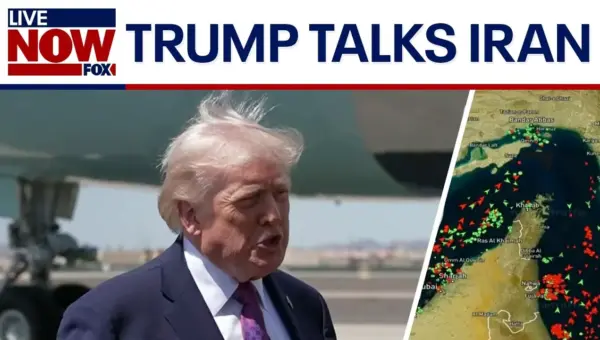
President Donald Trump indicated progress in talks with Iran, suggesting a potential agreement related to the Strait of Hormuz is nearing completion. He stated that any blockades would end once a deal is signed, while acknowledging possible remaining differences. The discussions also involve matters concerning Lebanon.
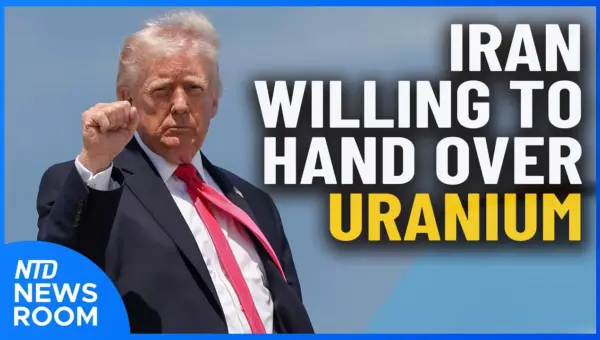
Iran Offers Uranium; US Blockade Ends, NATO Criticized
President Trump announced the Strait of Hormuz is open for business, ending a US naval blockade on Iran. A ceasefire between Israel and Lebanon is holding, and Iran may hand over nuclear material. Concerns rise over Chinese tech's national security risks.