Iran Offers Uranium; US Blockade Ends, NATO Criticized
President Trump announced the Strait of Hormuz is open for business, ending a US naval blockade on Iran. A ceasefire between Israel and Lebanon is holding, and Iran may hand over nuclear material. Concerns rise over Chinese tech's national security risks.

Strait of Hormuz Reopens as Tensions Ease
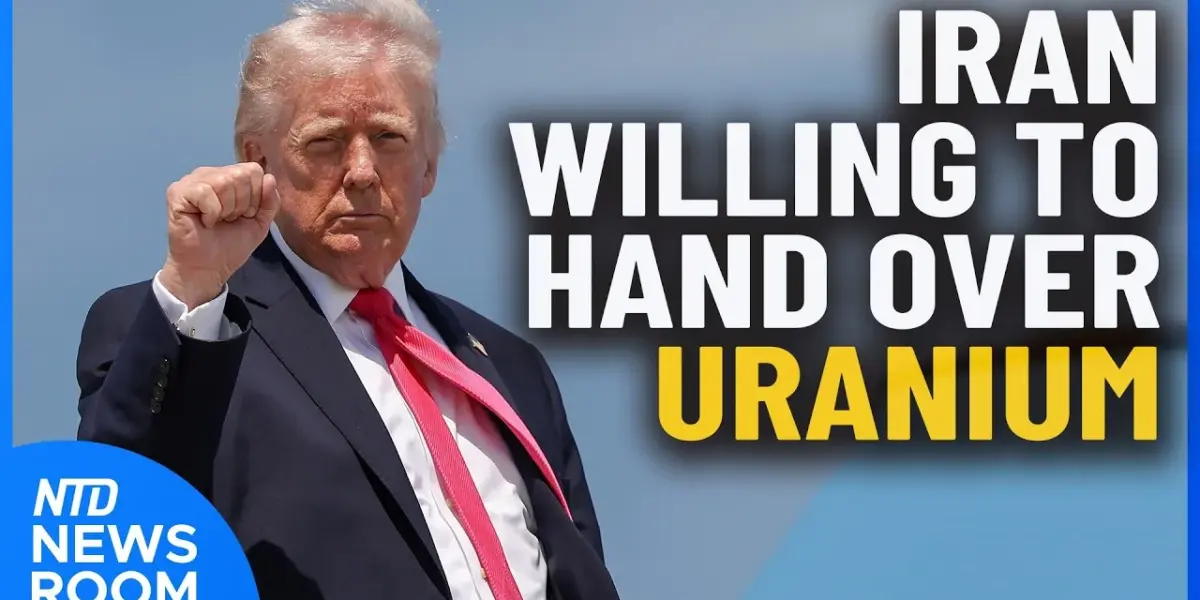
President Trump announced that the Strait of Hormuz is now completely open for business and safe passage. This comes after a five-day US naval blockade aimed at pressuring Iran into negotiations. The blockade will remain in effect for Iran until all transactions are finalized, which the President expects to happen quickly as most points are already agreed upon.
Iran has also committed to never closing the Strait of Hormuz again, vowing to stop using it as a weapon against the world. The US plans to retrieve enriched uranium, described as “nuclear dust,” from Iran without sending any funds to the regime. This process will involve a deliberate excavation of the material stored underground.
Israel-Lebanon Ceasefire Holds Amidst Diplomatic Efforts
A 10-day ceasefire between Israel and Lebanon has been established, following extensive talks. President Trump has warned Israel that it is prohibited from bombing Lebanon any longer, stating “Enough is enough.” This agreement is seen as a significant step towards peace in the region.
The ceasefire includes Hezbollah and is intended to prevent further violence. While the deal with Lebanon is separate from negotiations with Iran, it marks another diplomatic success for the administration. The US is working with international support to ensure groups like Hezbollah do not launch attacks on Israel.
NATO Criticized as US Secures Key Oil Route
President Trump expressed frustration with NATO, calling the alliance a “paper tiger.” He noted that NATO offered support only after the Strait of Hormuz was reopened, despite being deemed useless when their assistance was needed. The US is now leading efforts to secure this vital waterway.
The reopening of the Strait of Hormuz has led to a significant drop in oil prices, with crude oil falling over 10%. This development has boosted US markets, with major stock indices reaching new highs. European leaders like French President Macron and British Prime Minister Starmer welcomed the news and are working on a neutral mission to protect merchant ships.
Concerns Over Chinese Tech and National Security
A report highlights the potential national security risks posed by Chinese-made cellular modules used in various devices, including security systems and IoT networks. These modules could allow for surveillance and data mining, with potential links to China’s military-civil fusion programs.
Experts warn that these modules could be weaponized, potentially disrupting critical infrastructure like power grids. The reliance on Chinese technology raises concerns about backdoors and control over industrial systems. The issue is compounded by the role of major tech companies in distributing apps that support these products.
Why This Matters
The events surrounding the Strait of Hormuz and the potential nuclear material deal with Iran represent a significant shift in international relations. The reopening of this crucial oil route has immediate economic benefits, stabilizing oil prices and boosting global markets. President Trump’s assertive diplomacy, while drawing criticism for its methods, appears to be yielding tangible results in de-escalating regional conflicts and securing strategic interests.
The simultaneous progress on the Israel-Lebanon ceasefire and the potential nuclear material retrieval from Iran showcases a multi-pronged approach to foreign policy. However, the underlying tensions and the influence of nations like China in supporting adversaries like Iran present ongoing challenges. The growing concerns about Chinese technology and its potential for espionage and disruption highlight a broader geopolitical struggle for technological and economic dominance.
Implications and Future Outlook
The successful reopening of the Strait of Hormuz could lead to a period of relative calm in the Persian Gulf, allowing for increased trade and reduced global energy costs. The agreement to retrieve nuclear material from Iran, if finalized, would be a major non-proliferation victory, though the specifics of the process and verification remain crucial.
The criticism of NATO suggests a potential realignment of global security alliances, with the US potentially seeking more direct bilateral agreements. The ongoing debate over Chinese technology highlights the need for robust cybersecurity measures and strategic partnerships to counter potential threats. Future developments will likely involve continued diplomatic engagement, efforts to verify agreements, and a vigilant approach to national security in the face of evolving global challenges.
Historical Context
The Strait of Hormuz has historically been a flashpoint for international tensions due to its critical role in global oil transport. Blockades and threats to shipping in the region have frequently impacted global energy markets and geopolitical stability. Previous US administrations have also engaged in complex negotiations with Iran regarding its nuclear program.
The concept of military-civil fusion in countries like China has been a growing concern for intelligence agencies worldwide. This approach blurs the lines between commercial and military technology, allowing for the potential weaponization of civilian products and services. The expansion of visa restrictions and scrutiny of foreign nationals involved in activities linked to adversarial powers reflects a broader trend of increased national security vigilance.
Looking Ahead
The coming weeks will be critical in assessing the durability of the Israel-Lebanon ceasefire and the progress of US-Iran negotiations regarding nuclear material. Further details on the multinational mission to secure merchant ships in the Gulf are expected, as are updates on the security investigation near London’s Israeli embassy.
The ongoing review of missing US scientists and the implementation of expanded visa restrictions will also be closely watched. The effectiveness of these measures in safeguarding national security and addressing geopolitical challenges will shape future international relations and technological policies.
Source: Iran Willing To Hand Over Uranium; Gov. Walz Impeachment Effort Blocked | NTD Newsroom (April 17) (YouTube)

Related Articles


Russia Hints at NATO Attack as Law Changes
Russia has altered its laws to permit military intervention abroad to protect citizens, sparking fears of an attack on NATO. Estonia's Narva and Swedish islands like Gotland are highlighted as potential targets. Ukraine stresses the need for a strong military response and unity within NATO to counter Russian aggression.


Trump Hands Iran Strait Control, Reports Show
Reports indicate Donald Trump has granted Iran full control over the Strait of Hormuz, sparking concerns about global trade and regional stability. This follows a fragile ceasefire and questions surrounding proposed financial deals with Iran. Investigations into potential conflicts of interest and law enforcement conduct are also underway.

Iran, US Near Deal Framework, But Full Agreement Looms
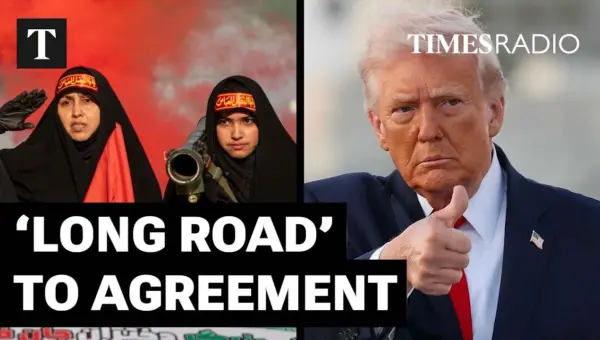
Iran and the U.S. are reportedly close to a framework agreement on critical issues, including Iran's nuclear program. While a breakthrough is anticipated, experts warn that a comprehensive deal will be a long and difficult process. Meanwhile, a fragile 10-day ceasefire in Lebanon, brokered with U.S. pressure, shows signs of strain.