Velshi: Trump’s Dictator-Like Threat Crosses Uncrossable Line
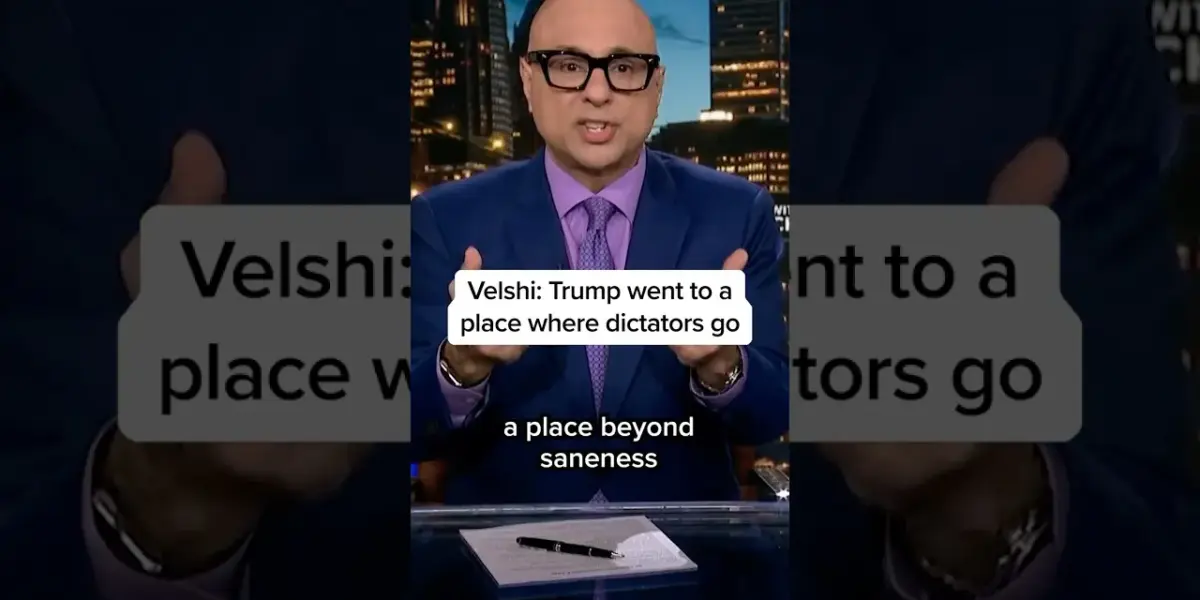
Journalist Ali Velshi stated that Donald Trump has crossed an uncrossable line with his threat to "wipe out a whole civilization." Velshi compared this kind of rhetoric to that used by dictators. The alarming language raises serious concerns about political discourse and international relations.

Trump’s Civilization Threat Sparks Outrage
Donald Trump has crossed a line that cannot be uncrossed with his recent threat to “wipe out a whole civilization.” This statement, made in a recent public address, has drawn sharp criticism and raised serious concerns about the former president’s rhetoric and its potential implications. Ali Velshi, a prominent journalist, highlighted the gravity of Trump’s words, comparing his actions to those of dictators.
Velshi’s commentary focused on the alarming nature of Trump’s language, suggesting it places him in a category of leaders who disregard international norms and human decency. The phrase “wipe out a whole civilization” is not merely political hyperbole; it evokes images of mass destruction and genocide, concepts that should be unthinkable in modern political discourse.
Echoes of Authoritarianism
Journalist Ali Velshi expressed deep alarm over Donald Trump’s recent remarks, stating that the former president has crossed a line that is impossible to uncross. Velshi specifically pointed to Trump’s threat to “wipe out a whole civilization.” This kind of language, according to Velshi, is typically reserved for dictators and those who show a disregard for human life and international law.
The implication of Trump’s statement is that he would be willing to use extreme force, potentially leading to catastrophic loss of life and cultural destruction. Velshi suggested that by using such rhetoric, Trump is aligning himself with authoritarian figures who operate outside the bounds of democratic and ethical governance. This comparison is significant, as it frames Trump’s actions not just as controversial political speech but as a potential indicator of dangerous leadership tendencies.
Context of the Threat
While the specific context of Trump’s “wipe out a whole civilization” comment isn’t detailed in the provided transcript, the implication is that it was made in relation to foreign policy or national security. Such threats, when voiced by a figure with presidential experience and potential future political ambitions, carry immense weight. They can influence international relations, shape public perception, and potentially incite conflict.
The gravity of invoking the potential destruction of an entire civilization is significant. It suggests a willingness to employ tactics that disregard human rights and international humanitarian law. This is a stark contrast to the expected conduct of leaders in democratic societies, who are bound by ethical considerations and the need to protect civilian populations.
Velshi’s Analysis and Concerns
Ali Velshi’s commentary is a critical examination of Trump’s rhetoric. By framing the threat as crossing an “uncrossable line,” Velshi emphasizes the severe nature of the transgression. He implies that such language fundamentally alters the perception of the speaker, moving them away from acceptable political discourse and into a more dangerous territory associated with oppressive regimes.
The comparison to dictators is particularly potent. Dictators often maintain power through fear, violence, and the suppression of dissent, and their rhetoric frequently dehumanizes opponents or entire groups of people. Trump’s alleged use of similar language suggests a willingness to employ similar tactics or at least to normalize such extreme forms of expression in political dialogue.
Broader Implications for Discourse
The use of such extreme language by a prominent political figure has broader implications for public discourse and international relations. It can normalize aggression and intolerance, making it easier for others to adopt similar rhetoric. This can contribute to a more polarized and dangerous political environment both domestically and globally.
When political leaders speak of wiping out entire civilizations, they are not just engaging in political debate; they are invoking the specter of total war and cultural annihilation. This kind of speech risks escalating tensions, damaging diplomatic efforts, and creating a climate of fear and instability. It moves the conversation away from policy and towards the realm of existential threats, which can have devastating consequences.
Looking Ahead
The ongoing discussion surrounding Donald Trump’s rhetoric, particularly statements like the threat to “wipe out a whole civilization,” will likely continue to be a significant point of focus. Observers will be watching to see how these statements are received by the public, political opponents, and international bodies. The long-term impact of such language on democratic norms and global stability remains a critical issue to monitor.
Moving forward, the way political leaders communicate, especially on matters of war and peace, will be under increased scrutiny. The line between strong political rhetoric and dangerous incitement is one that requires constant attention. The events and commentary surrounding Trump’s statements serve as a clear reminder of the power of words in shaping our world.
Source: Velshi: Trump went to a place where dictators go (YouTube)

Related Articles
Senate to Vote on War Powers Resolution Amid Trump Concerns
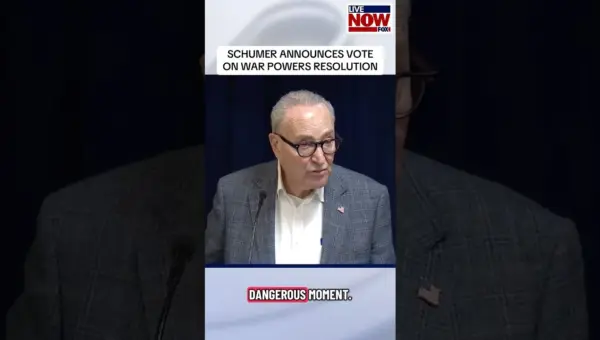
Senate Majority Leader Chuck Schumer announced the Senate will vote next week on a War Powers Resolution. The move aims to reassert Congress's authority over decisions to engage in military conflict, citing concerns about President Trump's handling of foreign policy. Schumer stated that no president should have unchecked power to take the country to war alone.
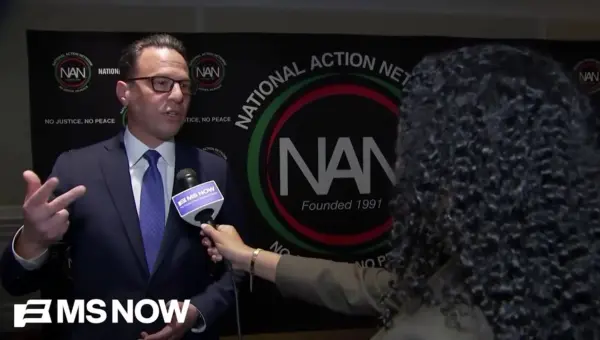
Shapiro Blames Trump for Global Havoc, Higher US Costs
Pennsylvania Governor Josh Shapiro criticized former President Donald Trump's foreign policy regarding Iran, labeling it a "war of choice" that has caused global disruption and increased costs for Americans. Shapiro emphasized his focus on the upcoming midterm elections, strategizing with Democrats to gain control of Congress.
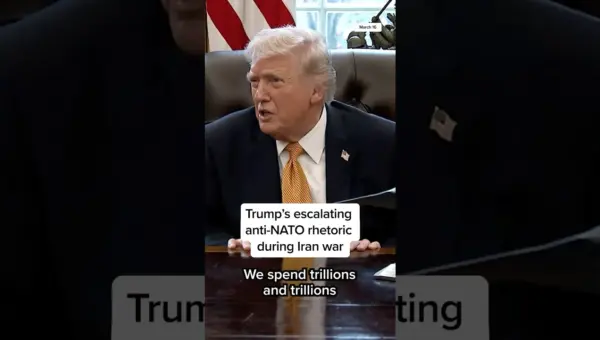
Trump Ramps Up NATO Criticism Amidst Iran Tensions
Former President Donald Trump has intensified his criticism of NATO, questioning its financial contributions and effectiveness amid rising global tensions. His rhetoric, particularly in the context of the war with Iran, highlights concerns over burden-sharing within the alliance. The upcoming meeting with NATO Secretary General Mark Rutte is seen as a crucial moment for discussing these issues.