Germany’s Merz Shifts Stance on Iran Conflict
German Chancellor Friedrich Merz is now calling for a diplomatic resolution to the conflict in Iran, emphasizing negotiation to end the war. He expressed concerns about the lack of a unified international plan and the economic consequences, including rising oil prices and predicted slower growth for Germany. Merz's stance marks a shift towards prioritizing diplomacy amidst escalating regional tensions.

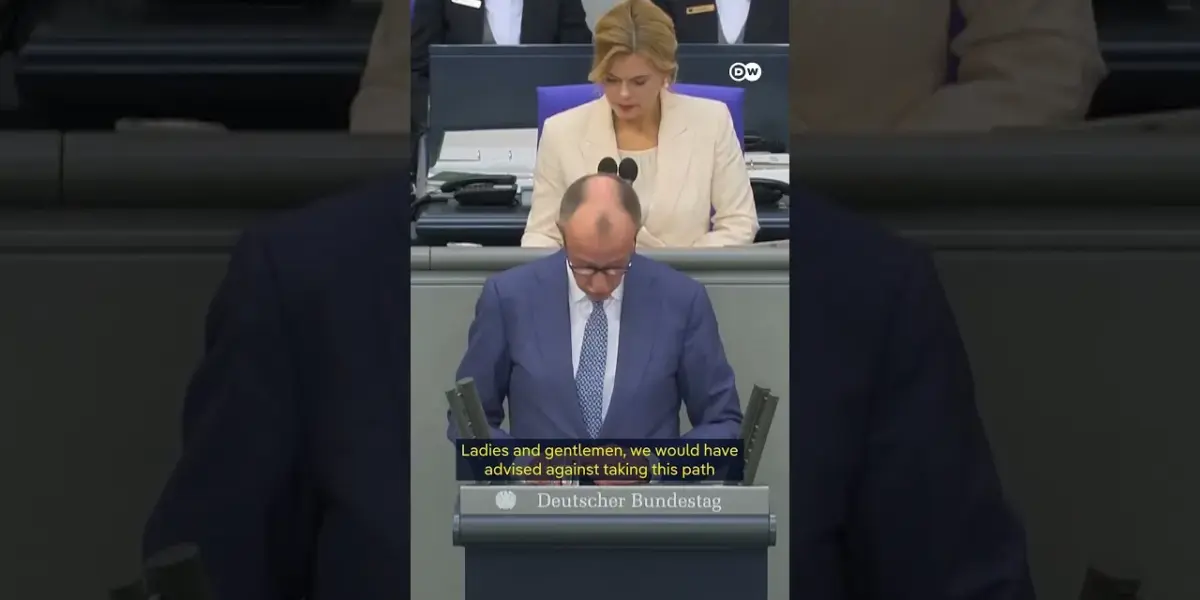
Merz Calls for Diplomacy Amidst Iran Tensions
German Chancellor Friedrich Merz has signaled a significant shift in his approach to the escalating conflict in Iran. In a recent statement, Merz emphasized that the immediate goal must be to negotiate a lasting end to the war. He stressed that this objective can only be achieved through diplomatic means, highlighting a clear departure from more hawkish rhetoric.
Merz stated that Germany shares common interests with the United States and Israel. These shared interests include stopping the regime’s terror activities and halting its dangerous nuclear and ballistic missile buildup. The German Chancellor’s remarks suggest a desire for a coordinated international effort to de-escalate the situation.
Concerns Over Lack of a Unified Plan
Despite the stated shared interests, Merz expressed significant concern over the apparent lack of a clear, unified plan for resolving the conflict. He noted that with each passing day of the war, more questions arise regarding the strategy. The German government is particularly worried that there is no apparent common strategy for bringing the war to a swift and convincing conclusion.
Merz pointed out that Washington did not consult with Germany before taking certain actions and did not deem European assistance necessary. He directly stated that Germany would have advised against proceeding with the current course of action. This indicates a potential rift in strategy and communication between key international allies.
Economic Repercussions and Future Uncertainty
The conflict in Iran has already begun to have tangible economic consequences. The Strait of Hormuz, a vital shipping lane, has been partially blocked by Iran.
This disruption has led to record-high oil prices. Economists are now predicting a slowdown in Germany’s economic growth as a result of these global market fluctuations.
Adding to the uncertainty, U.S. President Trump has intensified his rhetoric against Iran, issuing threats that have caused widespread alarm. While a ceasefire is now in place, the situation remains precarious.
Iran still possesses the capability to attack and threaten its neighbors. The theocratic government and the feared Islamic Revolutionary Guard Corps remain significant factors in regional stability.
Merz’s Evolving Position
Merz’s recent statements represent a notable evolution in his public stance on the Iran conflict. Earlier, the focus appeared to be on more assertive measures to curb Iran’s regional influence and nuclear ambitions. However, the current emphasis is clearly on de-escalation and diplomacy as the primary path forward.
This shift may be influenced by the growing economic costs and the perceived lack of a clear strategic endgame. Merz’s call for negotiation suggests a pragmatic approach, acknowledging the complexities and potential dangers of prolonged military engagement. He acknowledged that it is too early to provide specific details on diplomatic parameters, even though the interest in finding a solution is understood.
Looking Ahead
The coming days will be crucial in observing whether diplomatic efforts can gain traction. The effectiveness of Germany’s call for negotiation will depend on the willingness of all parties involved to engage in meaningful dialogue. The international community will be watching closely to see if a unified plan can be developed to address the root causes of the conflict and ensure regional stability.
Source: How Germany's Merz has changed his tune on the Iran war | DW News (YouTube)

Related Articles

Iran Claims Ceasefire Deal, US Denies Key Demands
Iran has announced a two-week ceasefire agreement, claiming the U.S. has accepted demands for troop withdrawal and Iranian control of the Strait of Hormuz. However, conflicting statements from U.S. officials cast doubt on these claims, creating significant uncertainty about the deal's true nature. The situation remains fluid, with global markets and regional stability hanging in the balance.


Afghan Scholar Rebuilds Life and Career with German Fellowship
An Afghan academic found refuge and a renewed academic future through Germany's Philipp Schwartz Initiative after the Taliban takeover. The fellowship provides financial support and research opportunities, aiming to protect endangered scholars and aid in the future rebuilding of their home countries' academic systems.

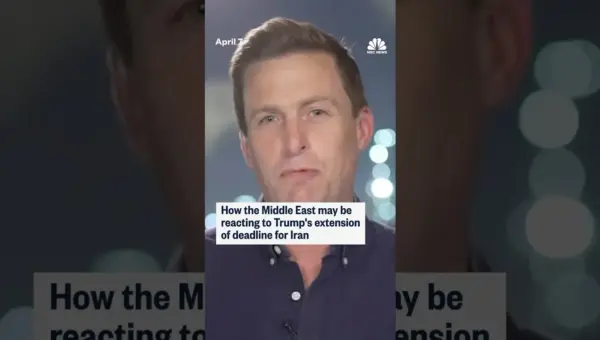
Trump Extends Iran Deadline Amid Regional Skepticism
The Middle East views President Trump's extension of the Iran deadline as a familiar pattern of 'bluster.' This marks the third or fourth time Trump has backed down from an ultimatum, leading many in the region to believe his threats lack substance. Public life in Iran continues as usual, suggesting a lack of panic despite the ongoing diplomatic tensions.