Homebuyers Pull Back, Fueling Contract Cancellations
The U.S. housing market is experiencing a surge in canceled contracts, with nearly 14% of pending sales falling through in February. Rising interest rates, job insecurity, and affordability challenges are making buyers hesitant. While some markets offer more negotiating power for buyers, others remain competitive.

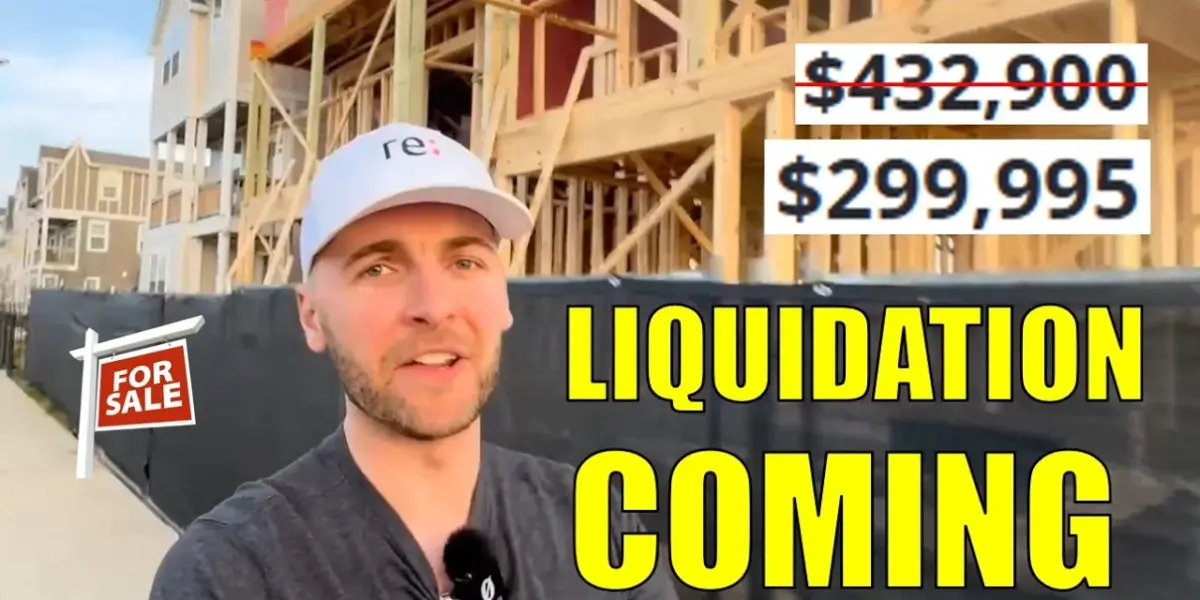
Homebuyers Pull Back, Fueling Contract Cancellations
The U.S. Housing market is seeing a significant rise in canceled home purchase contracts. In February, nearly 14% of pending sales were canceled, according to Redfin.
This marks the highest cancellation rate in a decade. Factors like job insecurity, global conflicts, and rising mortgage rates are making it hard for buyers to proceed with their purchases.
Real estate agents report that buyers are backing out of deals for various reasons. Some buyers don’t even submit their deposit because they feel nervous about the purchase.
Others revisit their finances with lenders and decide the monthly payments are too high. This means that about one in seven homes listed as pending might end up back on the market.
Regional Hotspots for Cancellations
Cities like Tampa, San Antonio, Fort Worth, Atlanta, and Jacksonville are experiencing particularly high contract cancellation rates. In some of these areas, nearly one in five pending sales are falling through. This trend highlights a growing hesitation among buyers across different markets.
The Affordability Squeeze
New construction in areas north of Nashville, for instance, offers three-bedroom, three-bathroom townhomes around 1,700 square feet priced in the high $300,000s to low $400,000s. Even at $242 per square foot, the estimated monthly mortgage payment could reach nearly $2,900. This cost is often higher than renting in the same neighborhoods, where similar homes might rent for around $1,900 per month.
The difference between buying and renting has widened significantly. In many parts of the U.S., it is now over 40% more expensive to buy a home than to rent one. This affordability gap is a major reason why potential buyers are reconsidering their decisions.
Builder Impact on Local Values
Builders are actively trying to sell new homes, sometimes leading to price drops that affect existing home values. In one zip code north of Nashville, home values are already seeing year-over-year declines. One forecast suggests a potential 7% drop in home values in this area over the next year.
Consider a flip home originally sold for $475,000 in 2022. The owner is now trying to sell it for $500,000, a price that equates to $329 per square foot.
However, new, larger, and more modern homes are being built by developers in the same neighborhood for around $392,000, or $200 per square foot. These new builds are often priced $100,000 less than the existing home, putting pressure on sellers of older properties.
The Role of AI and Job Fears
A recent survey reveals that a significant portion of Americans, nearly three in five, worry that artificial intelligence (AI) will reduce their job prospects. This fear is contributing to housing market uncertainty. If people believe their jobs are at risk, they become less likely to take on large financial commitments like a mortgage.
Companies are already announcing layoffs, with some citing AI as a factor. This creates a sense of unease, particularly among those in professional roles. The concern is that without job security or potential for raises, affording a home with a substantial mortgage becomes increasingly difficult.
Buyer Sentiment and Market Dynamics
A poll indicated that only about 8% of people plan to buy a home this year. Many more would consider buying if prices dropped significantly, with 40% saying they would purchase if prices fell by 20% to 40%. This suggests that price remains a primary barrier for most potential buyers.
The current market conditions are shifting in favor of buyers. Redfin reports a near-record gap between the number of home sellers and buyers.
This imbalance gives buyers more options and greater negotiating power. While sellers might list properties at high prices, many are motivated to sell, especially if their homes have been on the market for a long time or if they have high mortgage rates.
Finding Deals: True Days on Market
For buyers looking for deals, understanding a property’s true time on the market is crucial. Some listings may show a low number of days on market because the seller temporarily removed and relisted the property.
The ‘true days on market’ reflects how long a seller has continuously tried to sell a home, including periods when it was off the market. A longer true days on market often indicates a more motivated seller.
Buyers should not be discouraged by a high list price. If a property has been on the market for a while or if forecasts predict price declines, there may be room for negotiation. Thinking about a price you would be happy to pay and making an offer at that level can be more effective than fixating on the listed price.
Navigating Offers and Due Diligence
When making an offer, buyers should come prepared with pre-approval letters or proof of funds to show they are serious. It is common for initial offers to be rejected.
Buyers need to be comfortable with multiple rejections and potential counteroffers. The willingness of a seller to counter an offer, even if it’s far from the buyer’s price, signals interest.
The due diligence period, typically 10 days, is a critical time for buyers. During this period, buyers can conduct inspections, such as home and mold testing.
They can also withdraw from the purchase and often get their deposit back for any reason. This period ensures the buyer is satisfied with the property’s condition before finalizing the sale.
Markets with Less Buyer Leverage
Some markets currently offer less negotiating power for buyers. Cities like San Francisco, Nassau County (New York), San Jose, Milwaukee, and Oakland have lower contract cancellation rates. In areas with strong home price forecasts, generally above a 2-3% year-over-year increase, it can be more challenging for buyers to secure deals significantly below asking price.
However, even in competitive markets, opportunities can still exist. Buyers and investors looking to purchase in 2024 are encouraged to actively make offers. The current market presents possibilities for significant discounts, but success relies on being informed with the right data and tools.
The Reventure App offers tools like 12-month price forecasts and a listing tool analyzer, which will include true days on market data starting April 15th for premium members. These resources can help buyers identify opportunities and make informed decisions.
Source: It's a bloodbath. Redfin reports record spike in cancellations. (20% falling through) (YouTube)

Related Articles


Median Home Price Now Out of Reach for Median Income
The median home price in the U.S. has now surpassed what the median household income can afford, creating a significant barrier to homeownership. Analysis shows a required salary of over $112,000 for the median home price, far exceeding the median income of $84,000. This affordability gap challenges the traditional dream of owning a home for many Americans.


AI Spots Top 5 Housing Markets for Investors
Artificial intelligence identifies top real estate investment markets like Charlotte, Dallas-Fort Worth, Raleigh-Durham, Columbus, and Indianapolis. While AI highlights growth, experts caution that appreciation may slow, and finding cash flow requires careful analysis, especially in competitive markets.


Real Estate Expert: Affordability Policies Will Worsen Crisis
Manhattan rents have surged to $4,083 for a one-bedroom, far exceeding the national average. Real estate experts warn that proposed affordability policies may worsen the crisis. A significant housing shortage and high mortgage rates continue to challenge buyers and the market.