Artemis II Launches: Crew Heads to Moon on Historic Voyage
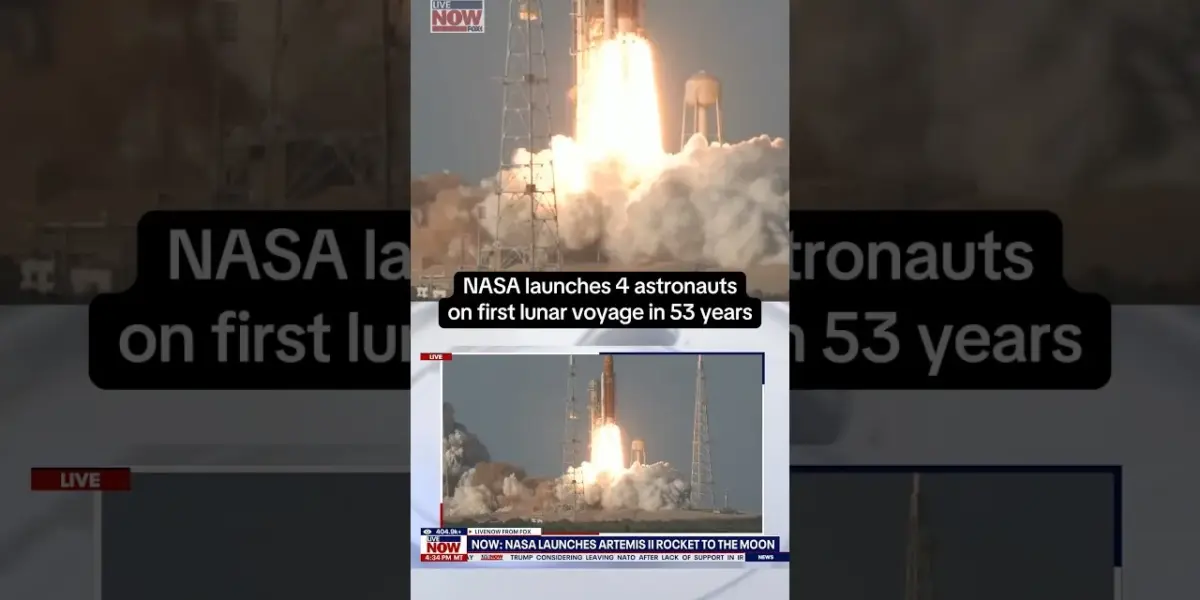
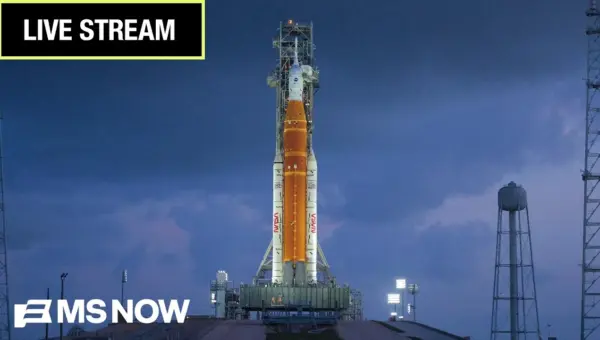
NASA's Artemis II mission has successfully launched, sending four astronauts on a groundbreaking voyage around the Moon. The powerful Space Launch System rocket ignited its engines precisely at liftoff, carrying the Orion spacecraft and its crew into space. This historic launch marks humanity's first crewed journey beyond Earth's orbit in over fifty years, signaling a new era of lunar exploration.

Artemis II Blasts Off, Crew Begins Lunar Journey
NASA’s Artemis II mission has successfully launched, sending four astronauts on a groundbreaking voyage around the Moon. The powerful Space Launch System (SLS) rocket ignited its engines precisely at liftoff, carrying the Orion spacecraft and its crew of two men and two women into space. This historic launch marks humanity’s first crewed journey beyond Earth’s orbit in over fifty years, signaling a new era of lunar exploration.
The countdown echoed with anticipation before the thunderous roar of the RS25 engines and solid rocket boosters propelled the massive rocket skyward. Mission control in Houston confirmed a clean liftoff and the start of the crew’s ambitious mission to orbit the Moon before returning to Earth. The successful ascent is a critical first step in NASA’s broader plan to establish a long-term human presence on the Moon and eventually send astronauts to Mars.
Key Moments of the Ascent
The initial minutes of the Artemis II mission were filled with critical milestones. The SLS rocket performed as expected, with mission control reporting good performance from its four main engines. The Orion spacecraft, named ‘Integrity’ by the crew, passed the 30-second mark and continued its rapid climb, reaching an altitude of three miles and traveling at speeds exceeding 12,200 miles per hour within the first minute.
Approximately one minute and 50 seconds into the flight, the mission elapsed time reached a significant point. The spacecraft achieved supersonic speeds, and communication signals were confirmed as Integrity and its crew passed this critical threshold. Mission control monitored the main engines throttling down to 85% in preparation for the separation of the solid rocket boosters, a crucial maneuver that occurred exactly as planned at the two-minute, nine-second mark.
The Artemis Program: A Return to the Moon
Artemis II builds upon the success of the uncrewed Artemis I mission, which tested the Orion spacecraft and SLS rocket in 2022. The Artemis program aims to land the first woman and the first person of color on the Moon, advancing scientific knowledge and demonstrating new technologies. This program is not just about reaching the Moon; it’s about learning to live and work there.
Future Artemis missions are planned to land on the lunar south pole, a region believed to contain water ice. This water could be vital for future long-duration missions, providing drinking water, breathable air, and rocket fuel. The insights gained from these lunar missions will be essential for preparing astronauts for the much longer journey to Mars.
The Crew and Their Mission
The Artemis II crew consists of Commander Reid Wiseman, Pilot Victor Glover, Mission Specialist Christina Koch, and Mission Specialist Jeremy Hansen from the Canadian Space Agency. They are set to become the first humans to travel beyond low Earth orbit since the Apollo program ended in 1972. Their mission is primarily a test flight to validate Orion’s life-support systems and other capabilities with humans aboard.
During their approximately ten-day mission, the crew will travel farther into space than any humans have before. They will perform a lunar flyby, coming within about 6,500 miles of the Moon’s surface before returning to Earth. This journey will test the spacecraft’s systems under the extreme conditions of deep space, providing invaluable data for future missions.
Looking Ahead: The Future of Lunar Exploration
The successful launch of Artemis II is a major step forward for NASA and its international partners. It proves the readiness of the SLS rocket and Orion spacecraft for human deep-space travel. The data collected and experiences gained from this mission will directly inform the planning and execution of Artemis III, which aims to land astronauts on the lunar surface.
As the Artemis II crew continues their historic journey, the world watches with bated breath. Their successful execution of this mission will pave the way for sustained human presence on the Moon and the eventual exploration of Mars, opening a new chapter in space exploration. The next critical phase will be the lunar flyby and the safe return of the crew to Earth.
Source: NASA’s Artemis II launches (YouTube)

Related Articles
Artemis II Crew Embarks on Historic Moon Mission for Humanity
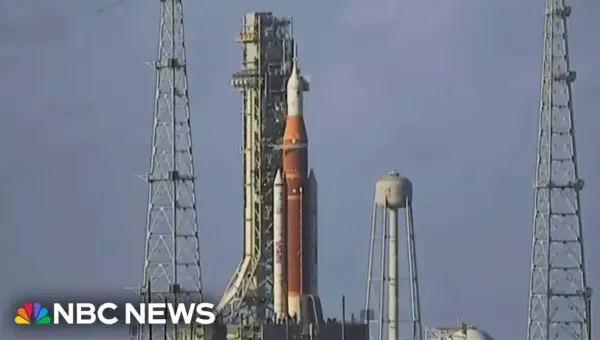
The Artemis II crew has launched on a historic mission around the Moon, carrying the hopes of humanity. Astronauts Reid Wiseman, Victor Glover, Christina Koch, and Jeremy Hansen embarked on the journey after a flawless countdown and final "GO" from mission control. Their powerful statement, "We are going for all humanity," underscores the global significance of this endeavor.


Reusable Rockets Slash Space Costs, Spark New Era
Reusable rocket technology is transforming U.S. space exploration by drastically cutting costs. Unlike old rockets used only once, new designs can land and be flown again, making space more accessible. This shift is fueling innovation and opening doors for more frequent and ambitious missions.
Artemis II Launch: Crew Aims for Moon Orbit
NASA's Artemis II mission has launched from Kennedy Space Center, sending four astronauts on a ten-day journey around the Moon. This historic flight tests critical systems of the Orion spacecraft and marks a significant step toward returning humans to the lunar surface. The mission is a vital precursor to future landings and potential Mars missions.