Trump Attends SCOTUS Hearing on Birthright Citizenship
Former President Donald Trump attended Supreme Court oral arguments on birthright citizenship, the first sitting president to do so. His administration argued to limit the 14th Amendment's guarantee of citizenship to those born in the U.S. Legal experts and the justices themselves appeared skeptical of the arguments challenging long-standing precedent.

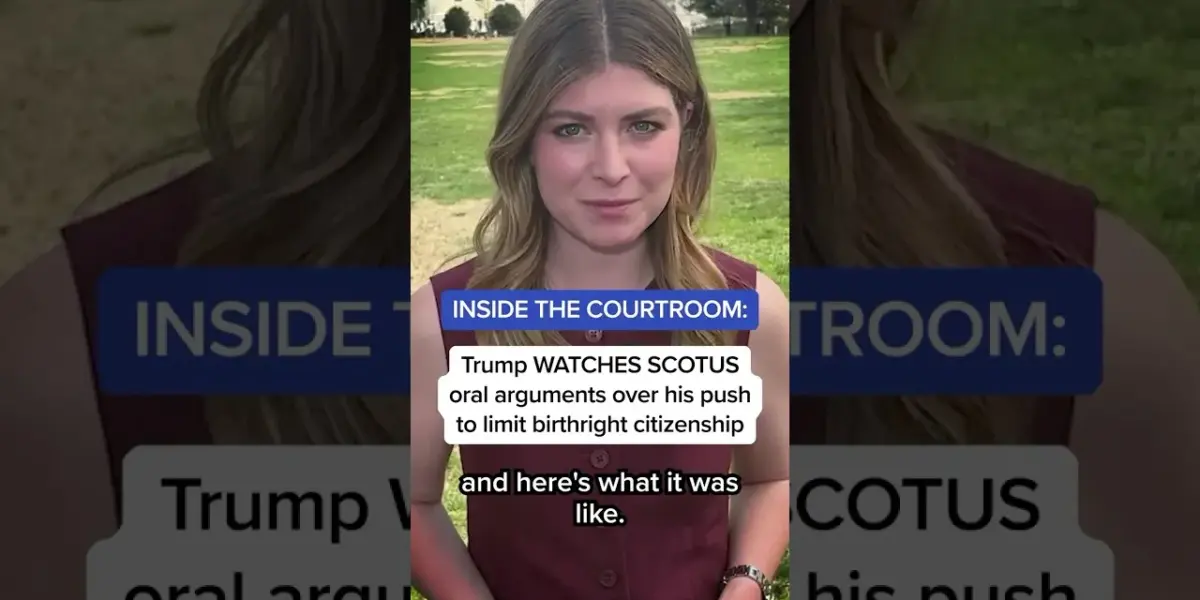
Trump Witnesses Supreme Court Debate on Birthright Citizenship
Former President Donald Trump made history by attending Supreme Court oral arguments concerning birthright citizenship. He became the first sitting U.S. President to witness such proceedings firsthand. The arguments focused on his administration’s efforts to change the long-standing interpretation of the 14th Amendment, which grants citizenship to nearly everyone born in the United States.
MS NOW’s Fallon Gallagher was present in the courtroom, offering a unique perspective on the historic event. Gallagher observed the proceedings and provided insights into the arguments presented by Trump’s administration. The core of the debate centered on whether the president has the authority to issue an executive order that would deny citizenship to children born in the U.S. To parents who are not U.S. Citizens or legal residents.
Arguments Against Birthright Citizenship
The Trump administration’s legal team argued that birthright citizenship, as currently understood, is not an absolute right. They contended that the 14th Amendment’s Citizenship Clause could be interpreted to exclude children born to parents without legal status. This interpretation challenged decades of established legal precedent and practice.
The administration’s lawyers presented arguments suggesting that Congress, not the courts or the executive branch, holds the power to define citizenship. They pointed to historical debates and early interpretations of the amendment, implying that birthright citizenship was not intended to apply universally without any conditions. This legal strategy aimed to create a pathway to alter birthright citizenship through executive action, bypassing lengthy legislative processes.
The Supreme Court’s Role and Precedent
Birthright citizenship in the United States is primarily based on the 14th Amendment, ratified in 1868. It states, “All persons born or naturalized in the United States, and subject to its jurisdiction, are citizens of the United States and of the State wherein they reside.” This principle has been widely accepted and applied for over 150 years, affirmed by numerous court decisions.
The Supreme Court’s historical stance, particularly in the 1898 case United States v. Wong Kim Ark, has strongly supported birthright citizenship.
In that case, the court ruled that a person born in the U.S. To Chinese parents who were lawful permanent residents but ineligible for citizenship was indeed a U.S. Citizen. This ruling is a cornerstone of the current understanding of the 14th Amendment.
Legal Scholars and Analysts Weigh In
Legal experts have expressed significant concerns about the potential impact of altering birthright citizenship. Many argue that such a change would undermine a fundamental aspect of American identity and could lead to a permanent underclass of stateless individuals. The legal basis for the administration’s argument is considered weak by many scholars, who point to the broad language of the 14th Amendment.
Gallagher’s reporting highlighted the tension within the courtroom as justices questioned the legal basis for the administration’s claims. The justices appeared skeptical of arguments that sought to redefine a long-settled constitutional principle. The outcome of this case could have profound implications for millions of families and the very definition of who is an American.
Broader Implications and Future Outlook
The Trump administration’s challenge to birthright citizenship is part of a larger debate surrounding immigration policy and national identity. If the Supreme Court were to rule in favor of limiting birthright citizenship, it could fundamentally alter the legal status of children born in the U.S. To non-citizen parents. This could create significant social and legal complexities, potentially affecting millions.
The proceedings observed by Trump represent a critical moment in the ongoing discussion about immigration and constitutional rights. The Supreme Court’s decision will not only address the specific legal arguments presented but also shape the future of citizenship in the United States for generations to come. The nation awaits the court’s ruling, which is expected to be a landmark decision.
Source: Trump WATCHES SCOTUS oral arguments over his push to limit birthright citizenship (YouTube)

Related Articles
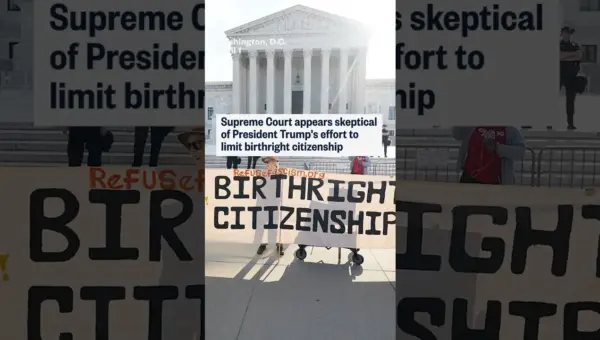
Justices Skeptical of Trump Bid to End Birthright Citizenship
The Supreme Court heard arguments on President Trump's bid to end birthright citizenship for children of undocumented immigrants. Justices expressed skepticism about the president's power to make such a change, questioning its broad impact on the 14th Amendment. The court's decision could redefine who is considered an American.
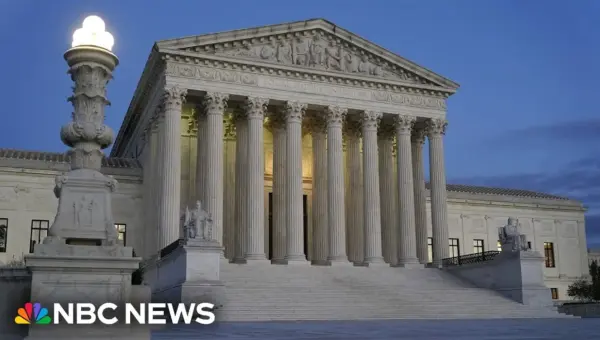
Supreme Court Weighs Birthright Citizenship in Key Case
The Supreme Court heard arguments on birthright citizenship, focusing on the 14th Amendment's Citizenship Clause. The government argued that citizenship requires not just birth in the U.S. but also a lawful domicile and allegiance to the country. Justices questioned the historical interpretation and the implications for modern immigration.

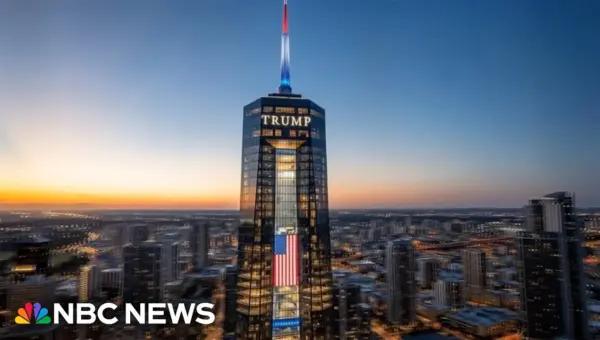
Trump Library Design Sparks Miami Debate: Grand Vision or Gross Obstruction?
A proposed design for the Donald J. Trump Presidential Library in Miami has ignited debate, with critics calling the architecture "gross" and an "obstruction." The project also faces opposition over a potential land donation from Miami-Dade College, which supporters argue will bring educational benefits, while detractors call it a "travesty." Political backing exists, but community leaders are questioning the land deal's fairness and the library's true purpose.