Trump Builds Secret White House Bunker: What’s Under the Ballroom?
A massive military complex is reportedly under construction beneath the White House ballroom, a project revealed through a lawsuit. This secure facility, along with upgraded bulletproof windows, signifies a significant enhancement of presidential security. The build-out reflects a proactive approach to modern threats, including drones.

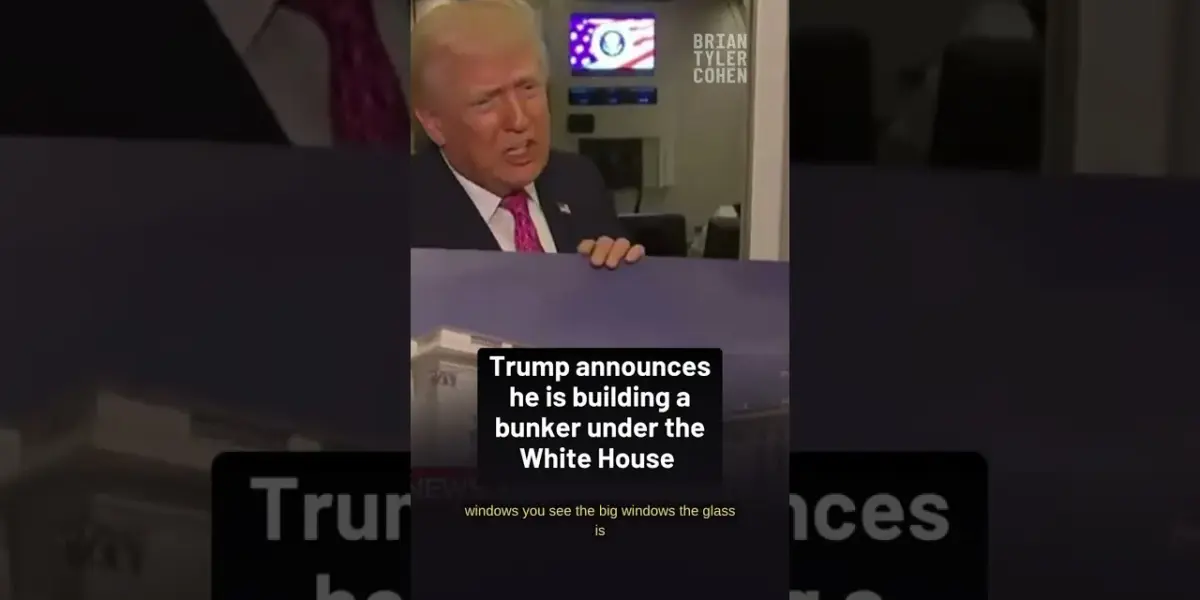
Trump Builds Secret White House Bunker: What’s Under the Ballroom?
Recent reports reveal that a massive military complex is under construction beneath the White House ballroom. This underground project, brought to light by a lawsuit, suggests a significant expansion of secure facilities. The military is reportedly ahead of schedule with this construction.
The ballroom itself is described as becoming a mere surface layer for the extensive operations happening below. This includes preparations for threats like drones and other potential dangers. The sheer scale of the underground build-out is emphasized by its role in housing these advanced defense systems.
Enhanced Security Features Revealed
The White House’s existing security is also being upgraded, with a focus on its windows. The large windows visible throughout the building are now made of extremely thick, high-grade bulletproof glass. This change ensures a much higher level of protection against potential attacks.
Reports have surfaced, including one from The Times, that questioned the authenticity of some windows, suggesting they might be fake. However, officials have stated that there are no fake windows. They also clarified that a mentioned stairway on the south side of the building, which was reportedly discussed, has been replaced and no longer exists in that form.
Why This Matters
The construction of a significant underground complex beneath the White House signifies a major shift in presidential security protocols. It suggests a proactive approach to potential threats, moving beyond traditional security measures. This build-out indicates a concern for continuity of government and the safety of the executive branch in increasingly uncertain times.
The emphasis on advanced defenses, like protection against drones, reflects the evolving nature of modern warfare and security challenges. It highlights how national security strategies must adapt to new technologies and potential dangers. The project also touches on transparency, as its existence was revealed through legal proceedings rather than official announcement.
Historical Context and Future Outlook
While specific details about this particular bunker are new, the concept of secure, underground facilities for leaders is not. Many government buildings and presidential retreats have long included hardened shelters. These have historically been designed to protect against nuclear threats or other catastrophic events, offering a safe haven during crises.
The current project, however, appears to be more extensive and integrated with the day-to-day operations of the White House. The focus on drone defense and advanced surveillance suggests a response to contemporary threats. This trend is likely to continue, with more governmental and critical infrastructure likely to incorporate similar hardened and technologically advanced underground spaces.
The implications extend beyond mere physical security. Such projects involve substantial investment and raise questions about resource allocation and the perception of threats. As technology advances, the need for sophisticated, layered defenses will only grow, making these secure complexes a more common feature of national security planning.
The ongoing construction beneath the White House ballroom is a clear indicator of how security is being reimagined. The focus remains on ensuring the resilience of the U.S. Presidency against a backdrop of evolving global challenges.
Source: Trump announces he is building a bunker under the White House (YouTube)

Related Articles

Judge Halts White House Ballroom Construction Amid Legal Challenge
A federal judge has temporarily halted all construction on a new White House ballroom, citing a lack of congressional authorization. The order, which takes effect in 14 days, prevents any further building work. The judge stressed that the president is a steward, not an owner, of the White House and requires legislative approval for such alterations.

Trump Plans to Demolish Historic White House Room
Donald Trump is reportedly considering transforming the historic White House Treaty Room into a guest bedroom, a move that has sparked concerns among historians. The room has hosted significant presidential moments, including treaty signings and major announcements. This potential alteration raises questions about balancing historical preservation with modern utility.


White House Defends Trump’s Iran Threats Amid War Crime Concerns
The White House is defending President Trump's threats to destroy Iran's civilian infrastructure, asserting that all actions will comply with international law. The President's statements, including targeting power plants and desalination facilities, have raised concerns about potential war crimes. Administration officials claim the threats are aimed at compelling Iran to negotiate a new deal.